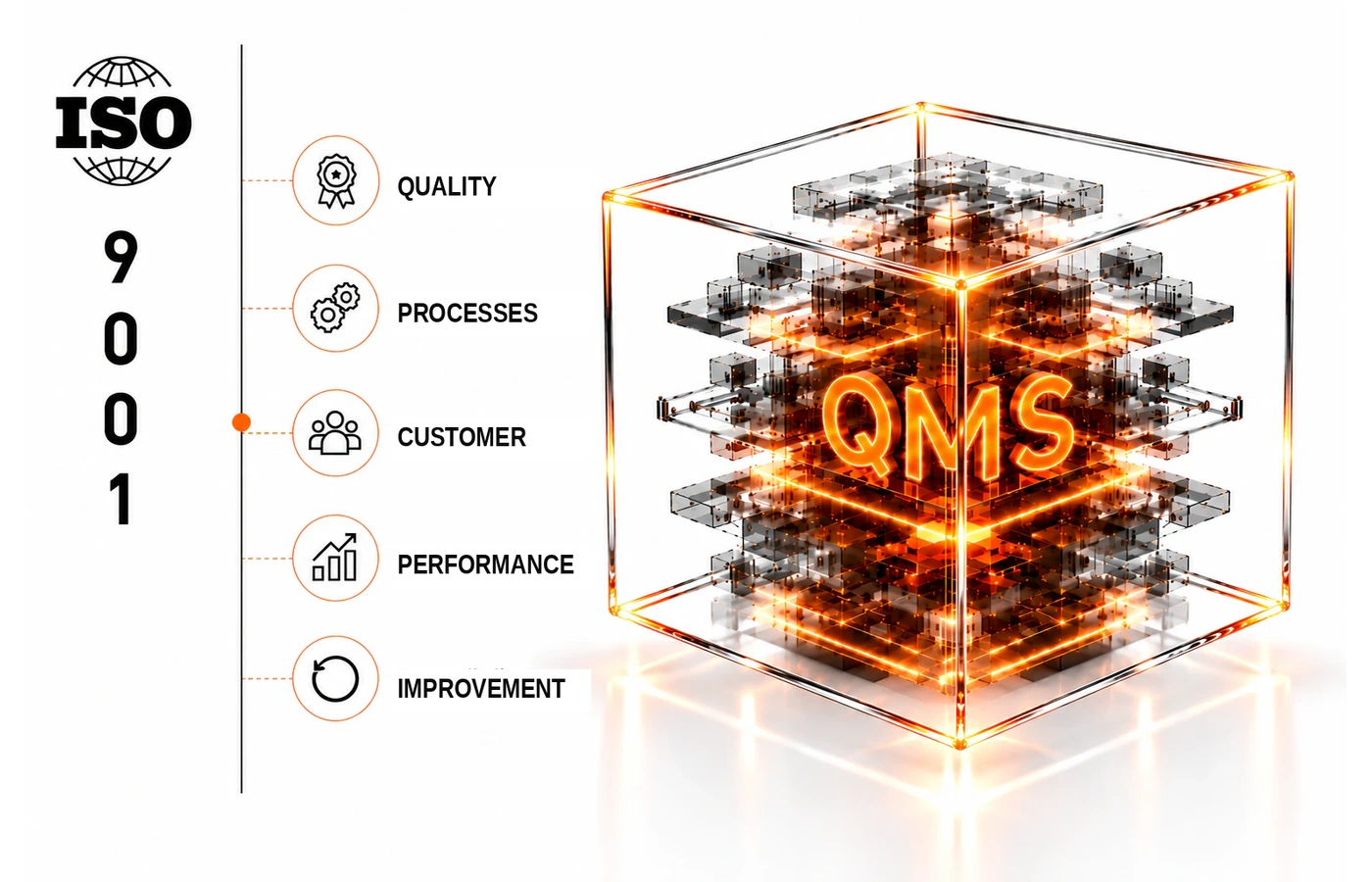
Quality
ISO 9001:2026
Supplier audit of process capability, traceability, control of nonconformities, quality indicators and conforming delivery.
Learn more →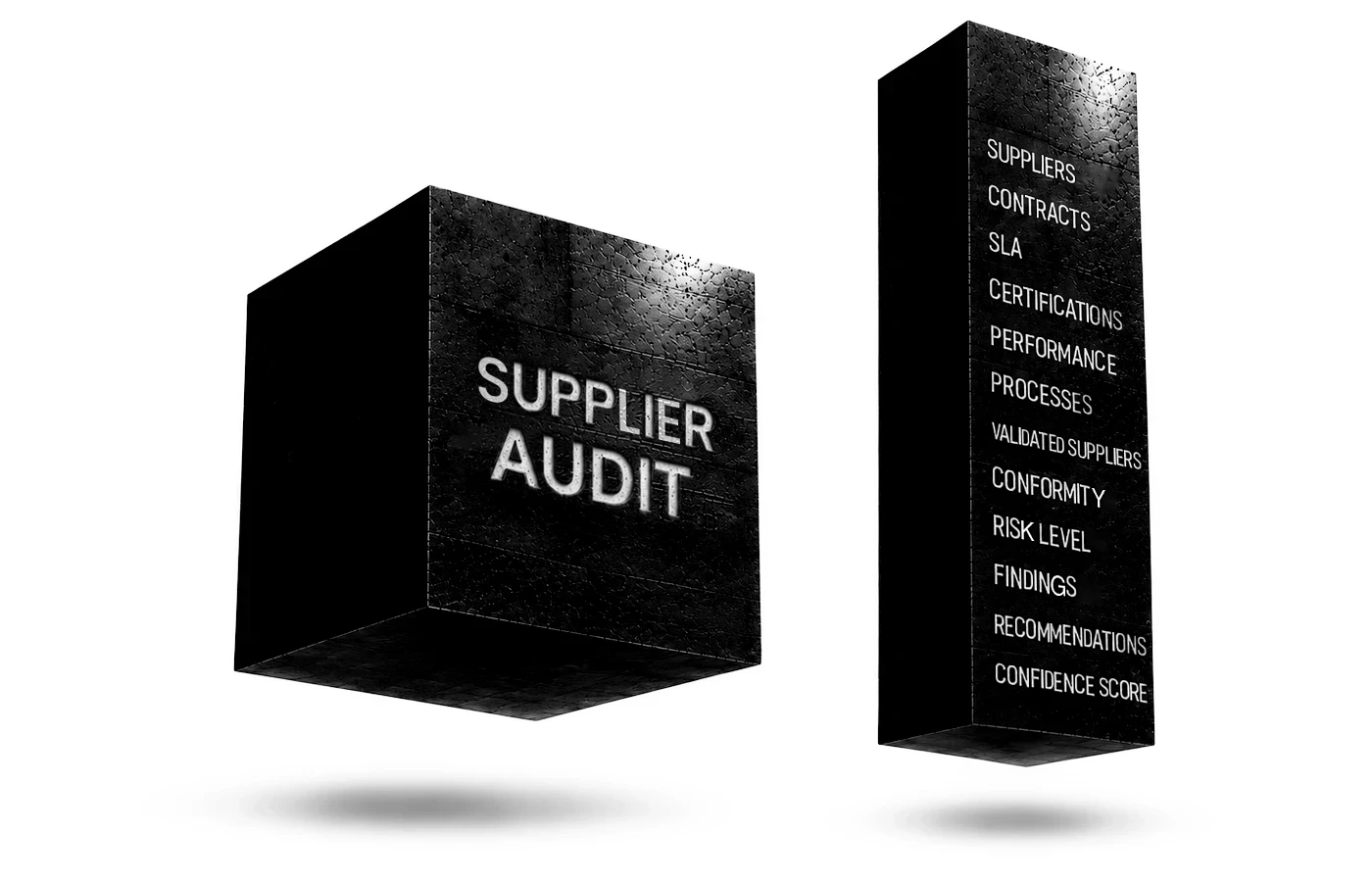
Independent evaluation of critical suppliers, subcontractors and partners in Romania, based on ISO 19011, contractual requirements, objective evidence and real supply chain risks.
A second-party audit is an audit of a supplier, subcontractor, service provider or partner, carried out by the customer or on the customer's behalf. Unlike an internal audit, which checks the organization itself, a second-party audit checks an external organization that can affect product quality, business continuity, compliance, information security, food safety, occupational health and safety or the customer's reputation.
In many companies, risks are no longer generated only internally. Suppliers manufacture components, deliver IT services, store products, transport goods, perform maintenance, manage data, process food, carry out works or provide critical services. If these partners do not have controlled processes, their problems quickly become the customer's problems: delays, complaints, financial losses, incidents, nonconformities in external audits or operational disruptions.
QMS Consulting provides second-party audits for organizations that want a professional, documented assessment that is useful for decision-making. The audit is not a formal visit and is not limited to checking that an ISO certificate exists. We analyze real processes, objective evidence, competences, traceability, controls, indicators, complaints, corrective actions and the risks specific to working with the supplier.
A critical supplier must be evaluated not only on price and certificate, but on its real ability to deliver consistently, in conformity, safely and under control. The second-party audit turns assumptions into evidence.
The audit identifies quality, delivery, environmental, OH&S, information security, food safety or compliance risks before they affect the customer's operations.
Management and procurement receive objective information for approving, classifying, monitoring, renegotiating with or replacing high-risk suppliers.
Outsourced processes remain the organization's responsibility. The audit checks whether the supplier controls the activities that affect the product, service or compliance.
The audit report provides documented evidence of supplier evaluation, useful in ISO audits, customer audits, management reviews and contractual decisions.
The audit helps identify the causes behind repeated supplier complaints, delays, defects, incidents or deviations.
Through clear findings and corrective actions, suppliers better understand the customer's requirements and can improve their critical processes.
ISO 19011 provides the guidelines for auditing management systems. In second-party audits, we use these principles so that the supplier evaluation is planned, impartial, evidence-based and proportionate to the risk of the contractual relationship.
The auditor must avoid conflicts of interest and draw conclusions based on criteria and evidence, not on assumptions or commercial preferences.
The scope, duration and sampling of the audit are adapted to the supplier's criticality, performance history, complaints, outsourced processes and potential impact on the customer.
The necessary competence includes knowledge of the standards, audit techniques, the industry and the risks specific to the product, service or process being evaluated.
Supplier information is handled in a controlled way, and findings are documented through a criterion, objective evidence and a verifiable conclusion.
A supplier audit can be built on a single ISO standard, on an integrated system or on a combination of standards, contractual requirements, technical specifications and internal supplier approval criteria.
Supplier audit of process capability, traceability, control of nonconformities, quality indicators and conforming delivery.
Learn more →
Evaluating suppliers from the perspective of environmental aspects, compliance obligations, waste, substances and operational control.
Learn more →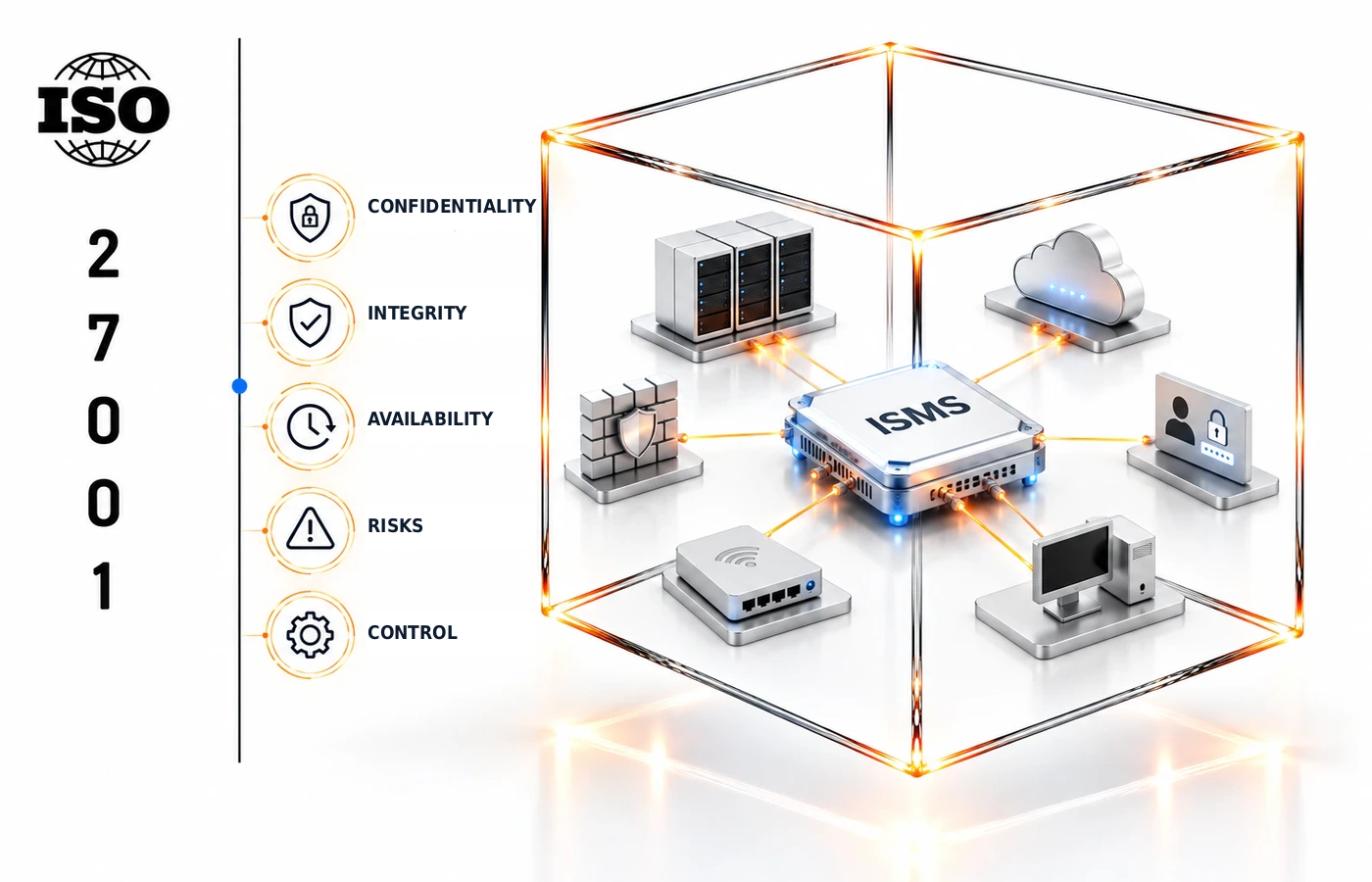
Audit of IT, cloud and software suppliers, outsourced services and partners that process data or manage information assets.
Learn more →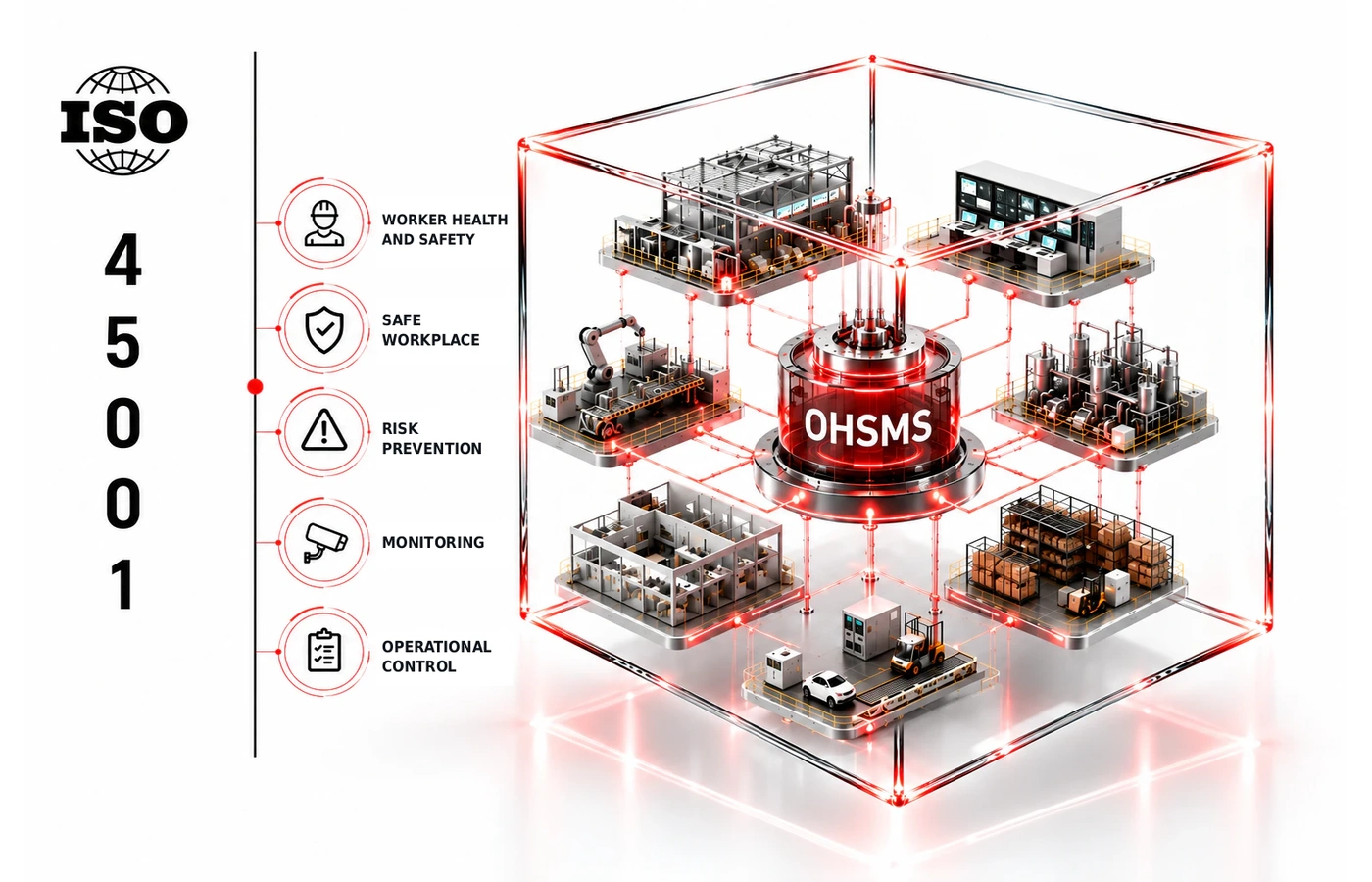
Checking subcontractors and suppliers working on your premises, on construction sites or in operations with high OH&S risk.
Learn more →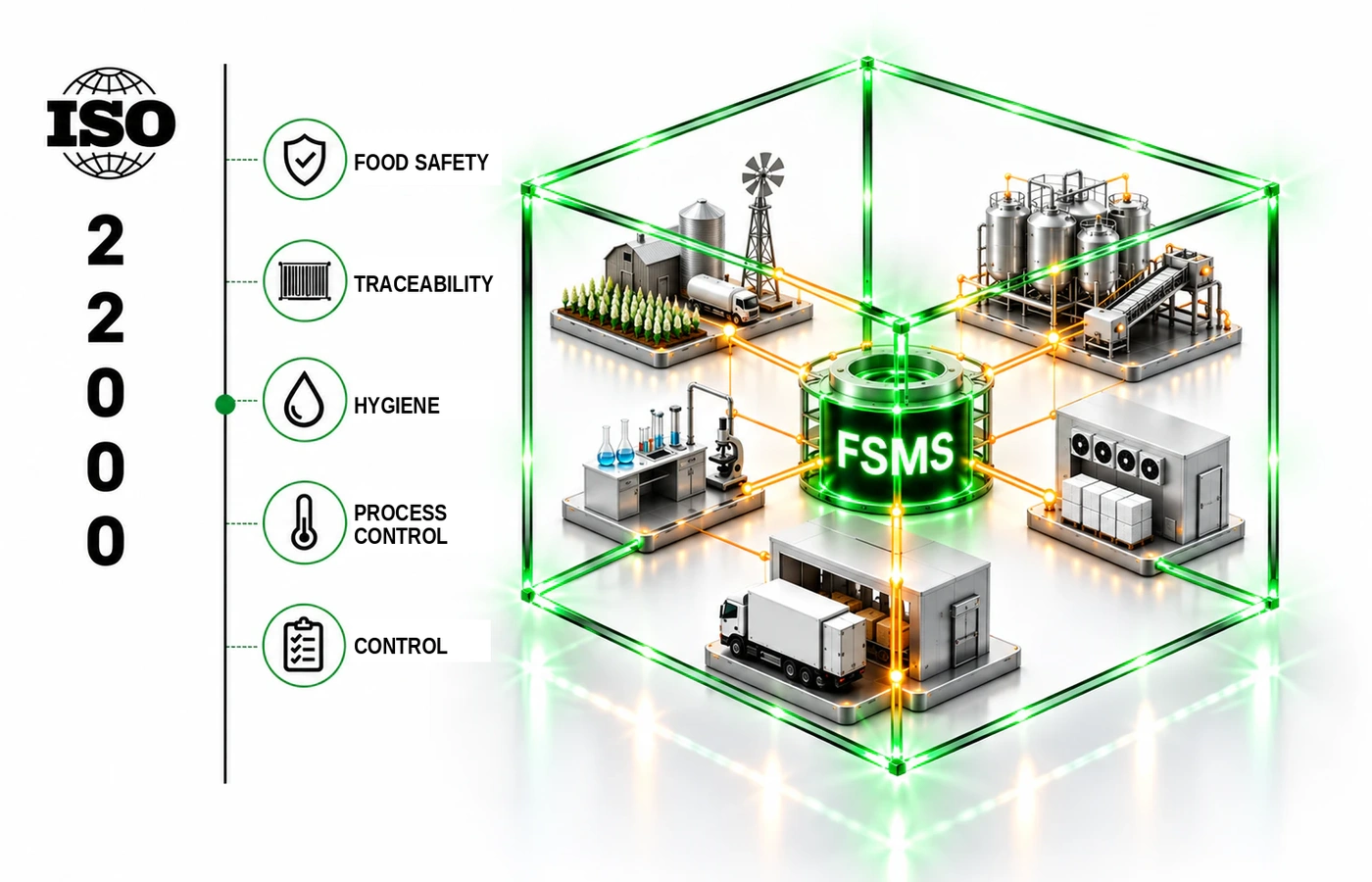
Audit of food suppliers, packaging, storage, transport, traceability, HACCP and hazard control.
Learn more →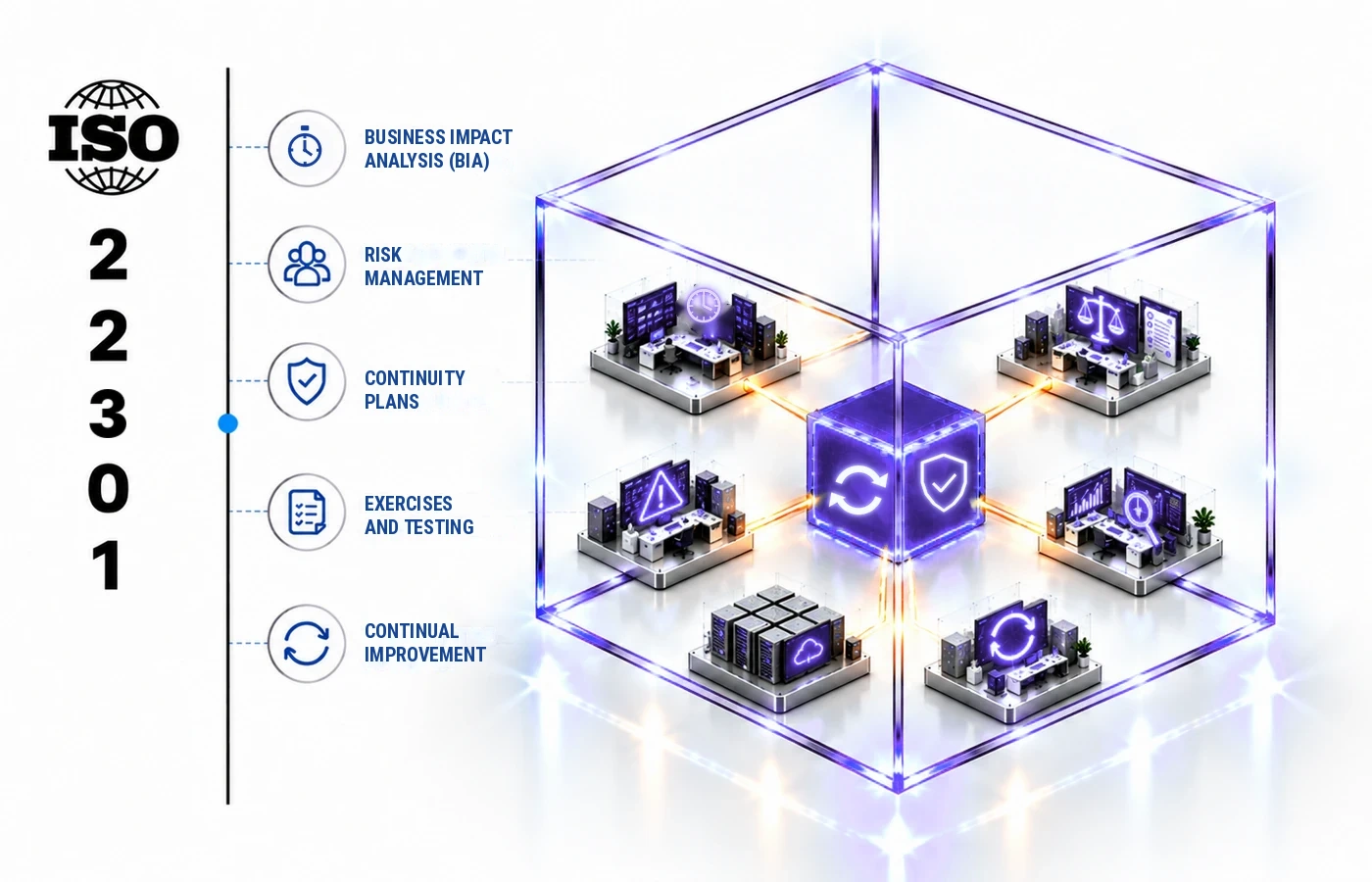
Audit of critical suppliers: continuity plans, recovery times and the ability to deliver during disruptions.
Learn more →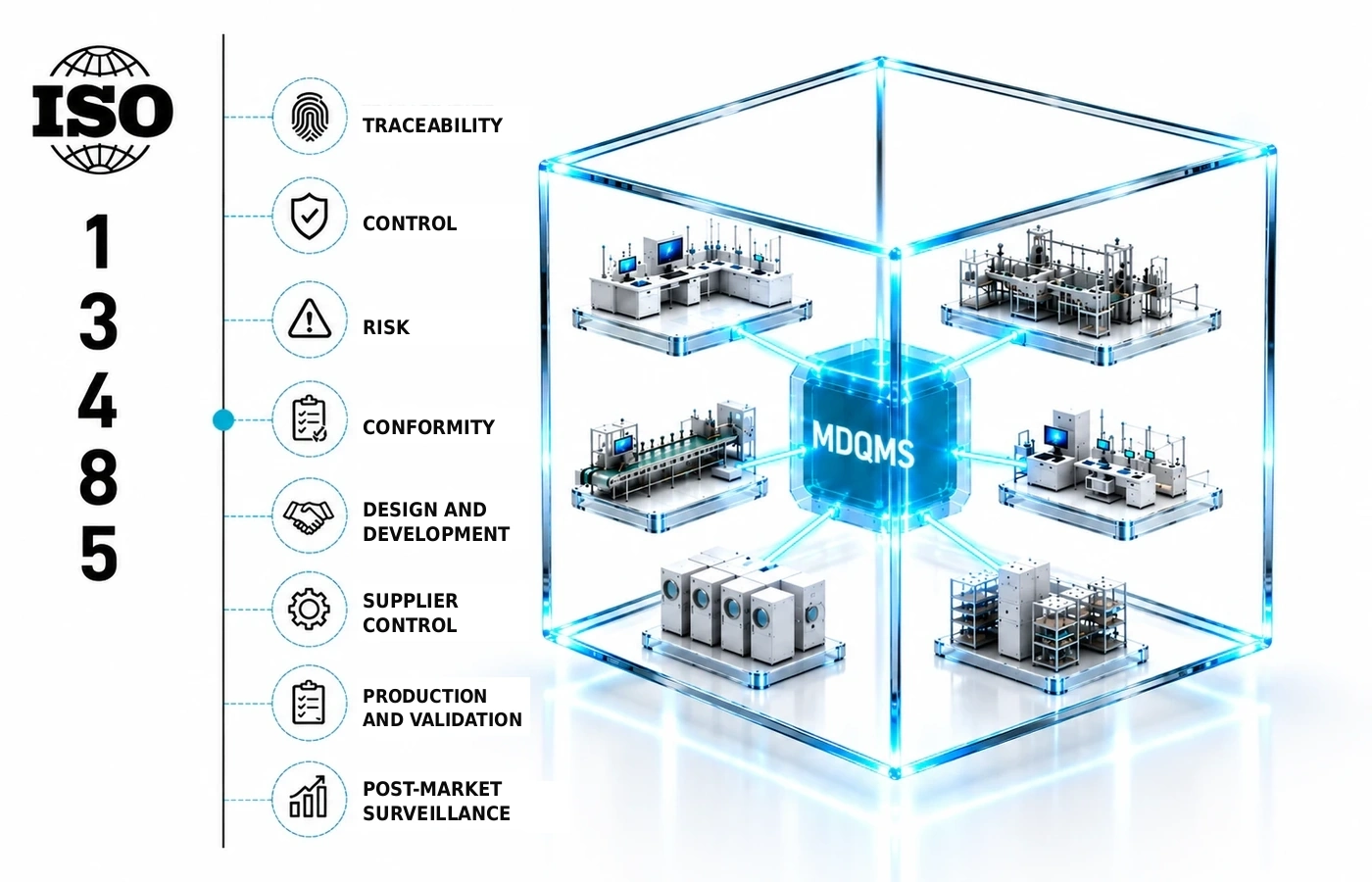
Evaluating critical suppliers for medical devices, traceability, validations, documented control and regulatory requirements.
Learn more →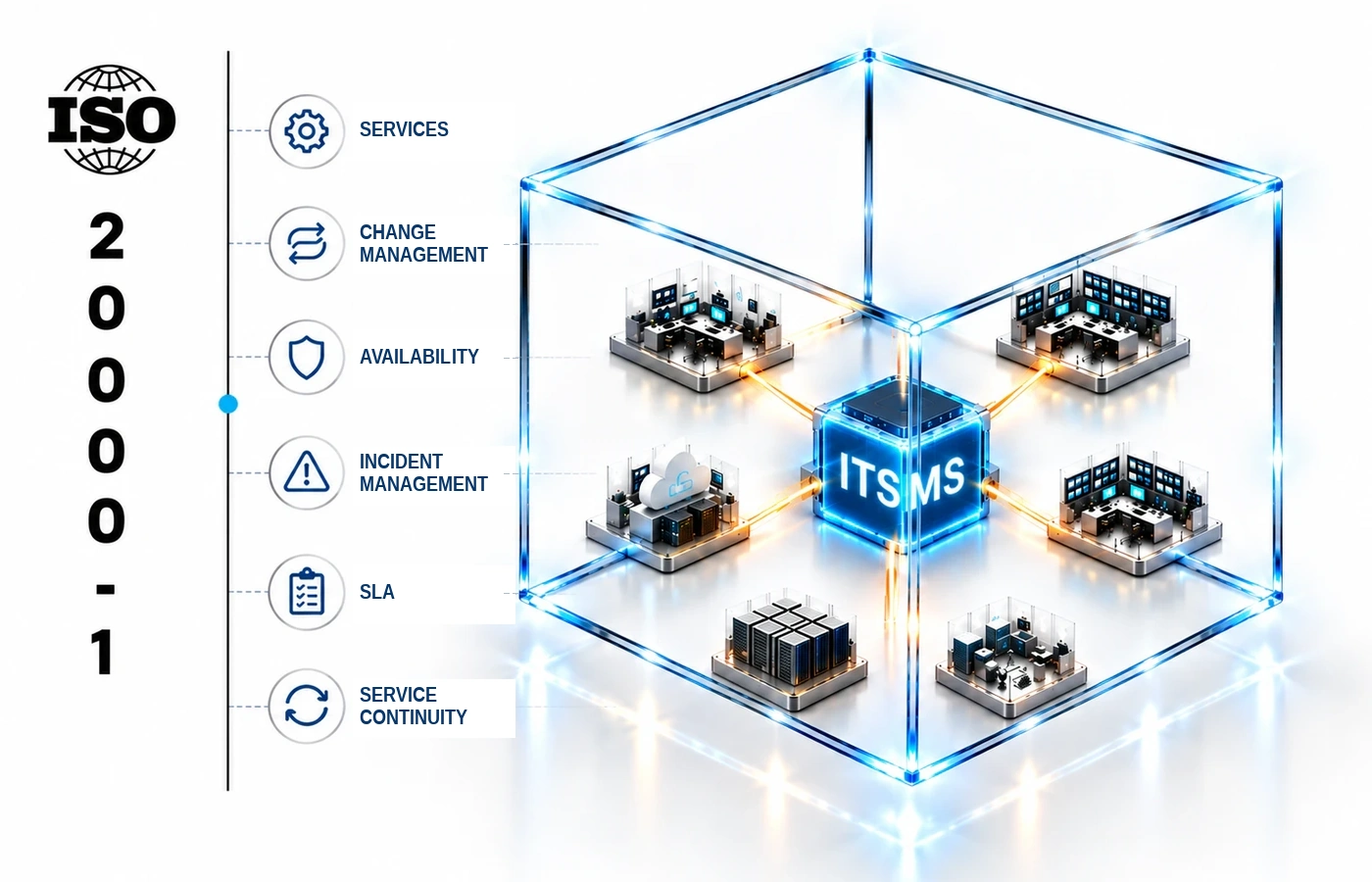
Audit of IT service providers, SLAs, incidents, changes, availability, continuity and outsourced support.
Learn more →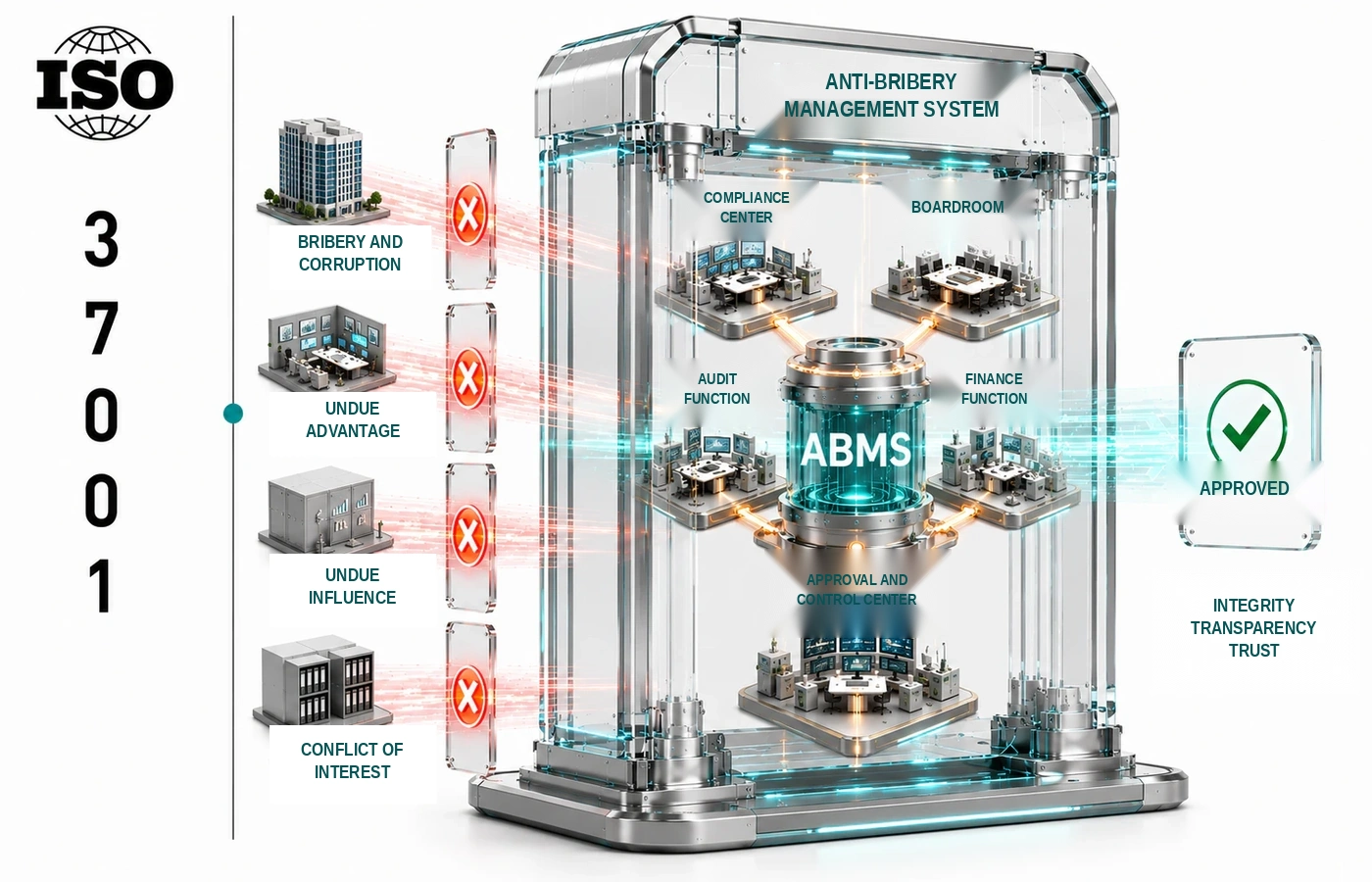
Due diligence, integrity, third-party control, conflicts of interest, gifts, commissions, subcontracting and exposure to bribery risk.
Learn more →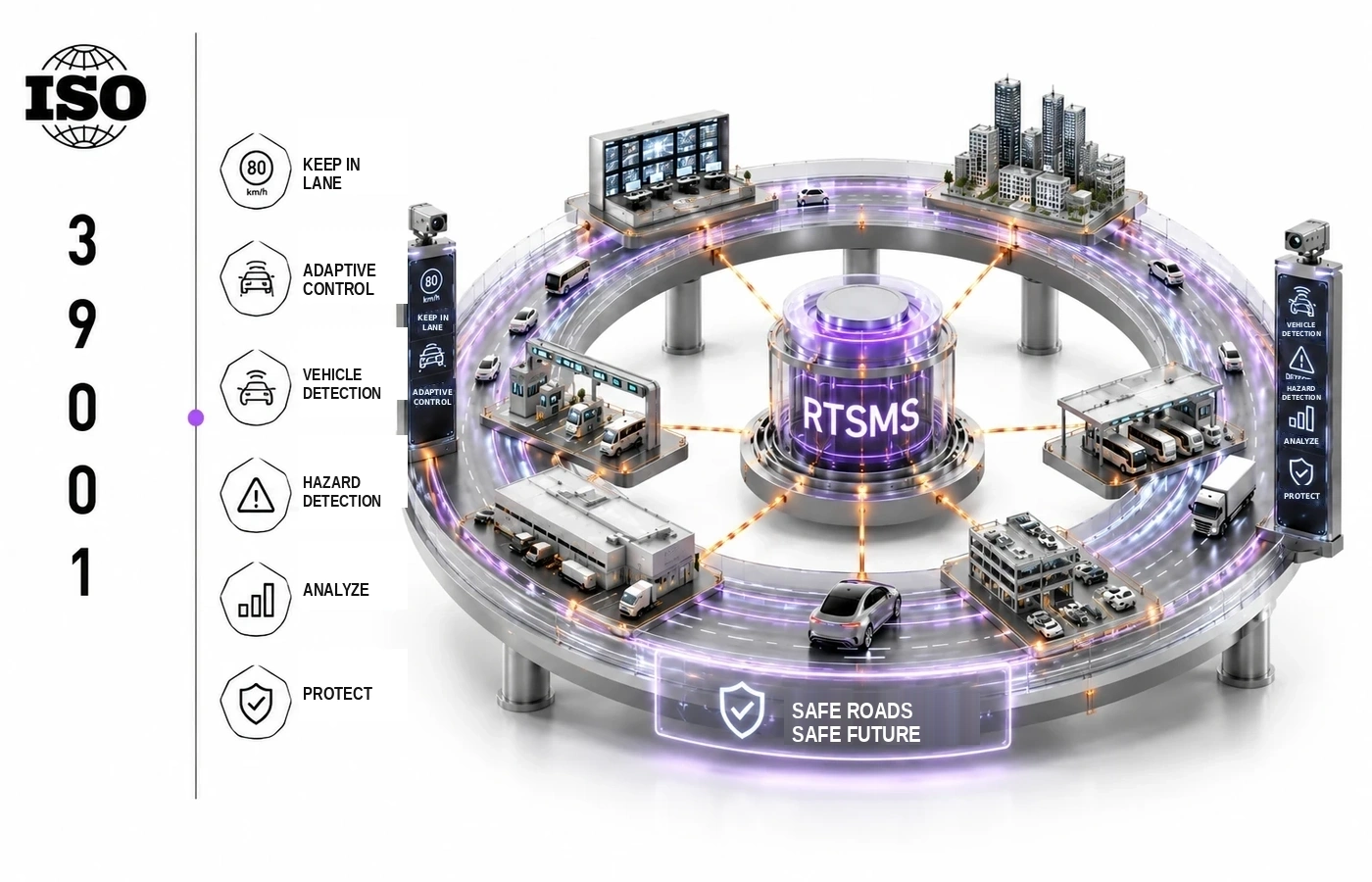
Audit of carriers, fleets, couriers, logistics providers and suppliers that influence traffic risks and road safety.
Learn more →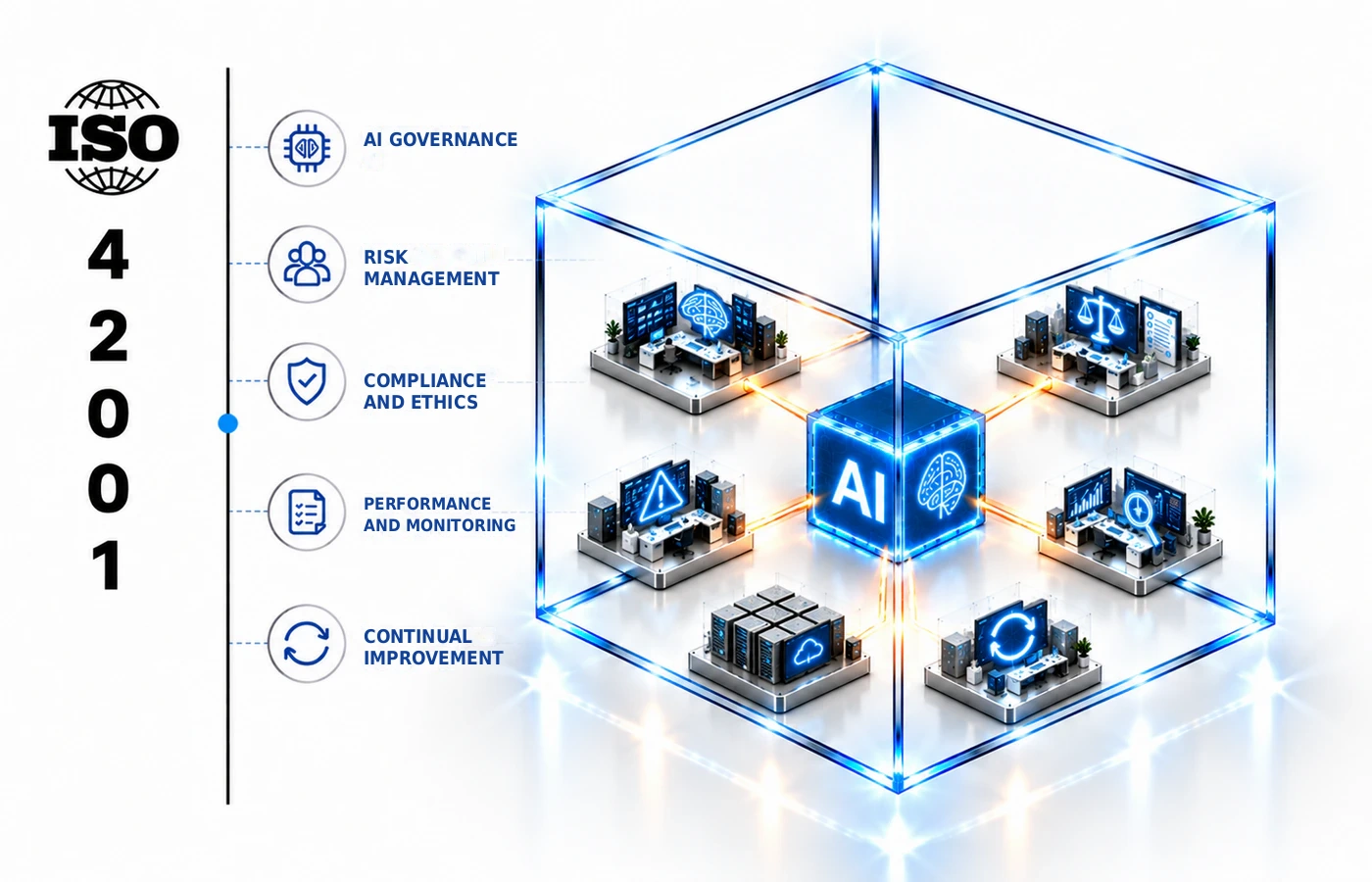
Audit of AI solution providers: governance, data, risks, transparency and control of the AI systems delivered.
Learn more →
Evaluating suppliers and contractors that influence energy consumption, energy performance and operational efficiency.
Learn more →The service is built to deliver verifiable conclusions, not general opinions. Each audit starts from the client's objective, the supplier's risk and the criteria relevant to the decision.
A good second-party audit does not stop at the question "do you have an ISO certificate?". The certificate can be useful, but the client needs to know whether the supplier actually controls the processes that matter: what it delivers, how it delivers, what evidence exists, what risks remain and what must be corrected.
That is why the QMS Consulting audit combines ISO requirements with contractual requirements, the supplier's history and the real risks of the collaboration.
The methodology is designed for procurement, quality, compliance, management and operational teams that need clear and actionable conclusions.
We clarify why the supplier is being audited: approval, re-evaluation, complaints, increased risk, a contractual requirement, due diligence or a periodic audit.
We set the ISO standards, contractual requirements, technical specifications, processes, sites, products or services included in the audit.
We build the checklist based on risks and plan the agenda, interviews, documents requested and the necessary checks.
We check documents, certificates, complaints, deliveries, indicators, reports, corrective actions, traceability and relevant records.
We carry out interviews, observations, sampling and checks on operational workflows, remotely or on site.
We formulate nonconformities, observations and risks based on objective evidence and the agreed criteria.
The report includes conclusions, evidence, strengths, nonconformities, recommendations and, if required, a supplier score or classification.
If needed, we follow up the corrective action plan and check whether the proposed measures reduce the risk and address the cause of the problem.
Supplier risks differ greatly from one industry to another. That is why the audit must be adapted to the products, services, processes, regulations, customer requirements and the supplier's level of criticality.

Supplier audit for traceability, agricultural inputs, storage, subcontractor control, environment and food safety requirements.
Learn more →
Evaluating critical suppliers, special processes, traceability, capability, deliveries, quality control and risks in the automotive supply chain.
Learn more →
Audit of partners with critical processes, strict traceability, technical requirements, maintenance, compliance and operational risk management.
Learn more →
Audit of IT suppliers, data processors, outsourced services, operational continuity, information security and contractual compliance.
Learn more →
Evaluating suppliers of raw materials, storage, transport, substances, environment, OH&S, traceability and operational control.
Learn more →
Subcontractor audit for construction sites, execution, technical documentation, OH&S, environment, materials, equipment and compliance with contractual requirements.
Learn more →
Supplier audit for HACCP, traceability, hygiene, storage, transport, packaging, allergens and food safety.
Learn more →
Audit of software, cloud, hosting and support providers: information security, SLAs, continuity, confidentiality and incident management.
Learn more →
Evaluating laboratories, sample traceability, technical competence, method validation, equipment, reporting and control of results.
Learn more →
Audit of carriers, warehouses, couriers, cross-docking, traceability, road safety, temperature control and delivery integrity.
Learn more →
Audit of maritime suppliers, maintenance, port logistics, traceability, safety, environment and specific operational requirements.
Learn more →
Audit of critical suppliers for medical devices, medical services, traceability, sterilization, validations, storage and regulatory requirements.
Learn more →
Evaluating contractors, maintenance, equipment, high-risk processes, OH&S, environment and operational control in oil and gas.
Learn more →
Audit of catering, cleaning, maintenance and security suppliers, outsourced services, hygiene and the customer experience.
Learn more →
Audit of suppliers, subcontractors, maintenance, EPC, equipment, energy performance, OH&S, environment and operational continuity.
Learn more →Not all supplier audits have the same purpose. Some check whether a supplier can be approved, others investigate existing problems and others monitor critical suppliers that have already been accepted.
Carried out before the collaboration starts, to check whether the supplier has the necessary capability, processes and controls.
Monitors key suppliers and checks that performance, conformity and process control are maintained.
Analyzes the causes of recurring problems: defects, delays, nonconformities, incidents, complaints or contractual deviations.
Checks the implementation and effectiveness of the corrective actions defined after a previous audit.
Not all suppliers require the same level of scrutiny. The audit programme must focus resources on the suppliers that can directly affect quality, continuity, legal compliance, information security, food safety, OH&S or the organization's reputation.
The initial assessment combines the supplier's impact with the likelihood of a problem occurring. High-risk suppliers may require an audit before approval, periodic audits and formal follow-up, while low-risk suppliers can be monitored through documents and performance indicators.
The report is the main deliverable. It must be clear enough for management, concrete enough for the supplier and documented well enough for future audits.
On request, the report can include an evaluation score, risk level or supplier classification. This helps procurement and quality departments compare suppliers, prioritize actions and document decisions.
A superficial supplier audit can create a false sense of security. Value appears only when the audit has clear criteria, verifiable evidence and actionable conclusions.
The certificate does not always show the real performance of processes. The audit must check how work is done, the evidence and the risks specific to the contractual relationship.
A standard checklist does not capture the risks of the industry, product, service or outsourced process. The checklist must be adapted to the objective of the audit.
Without defined criteria, findings become opinions. A professional audit links every finding to a requirement, evidence and impact.
The report must support the decision. General wording is not enough for procurement, management or the supplier.
If corrective actions are not verified, the same problem can come back and affect quality, delivery or compliance.
Not all suppliers need to be audited in the same way. Effort must be directed at high-impact, high-risk suppliers.
The second-party audit fits naturally with the internal audit, ISO consulting, certification preparation and auditor training.
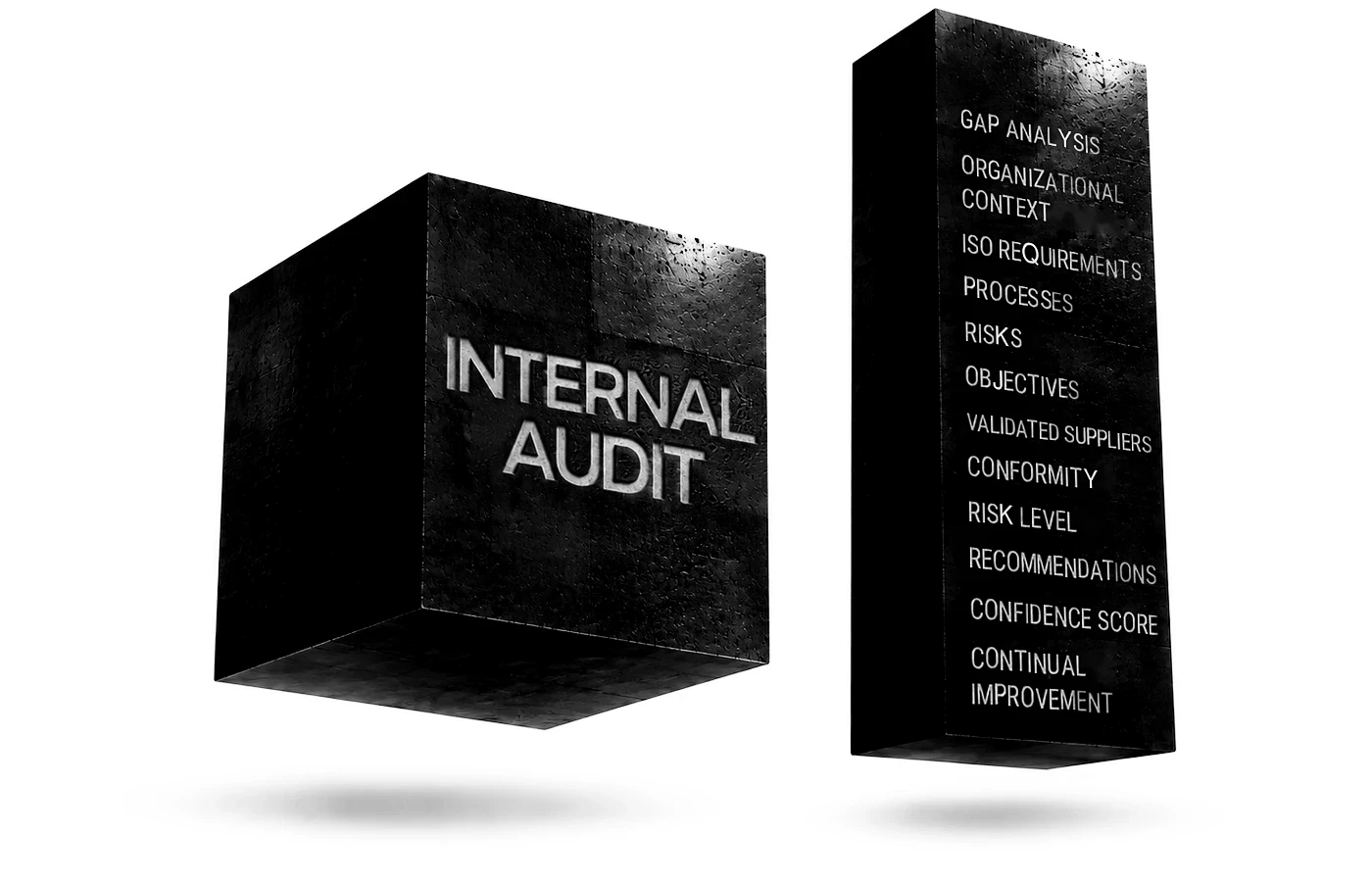
Checking your own management system before certification, surveillance, recertification or management review.
Learn more →
ISO implementation, GAP analysis, processes, documentation and preparing the organization for internal or external audits.
Learn more →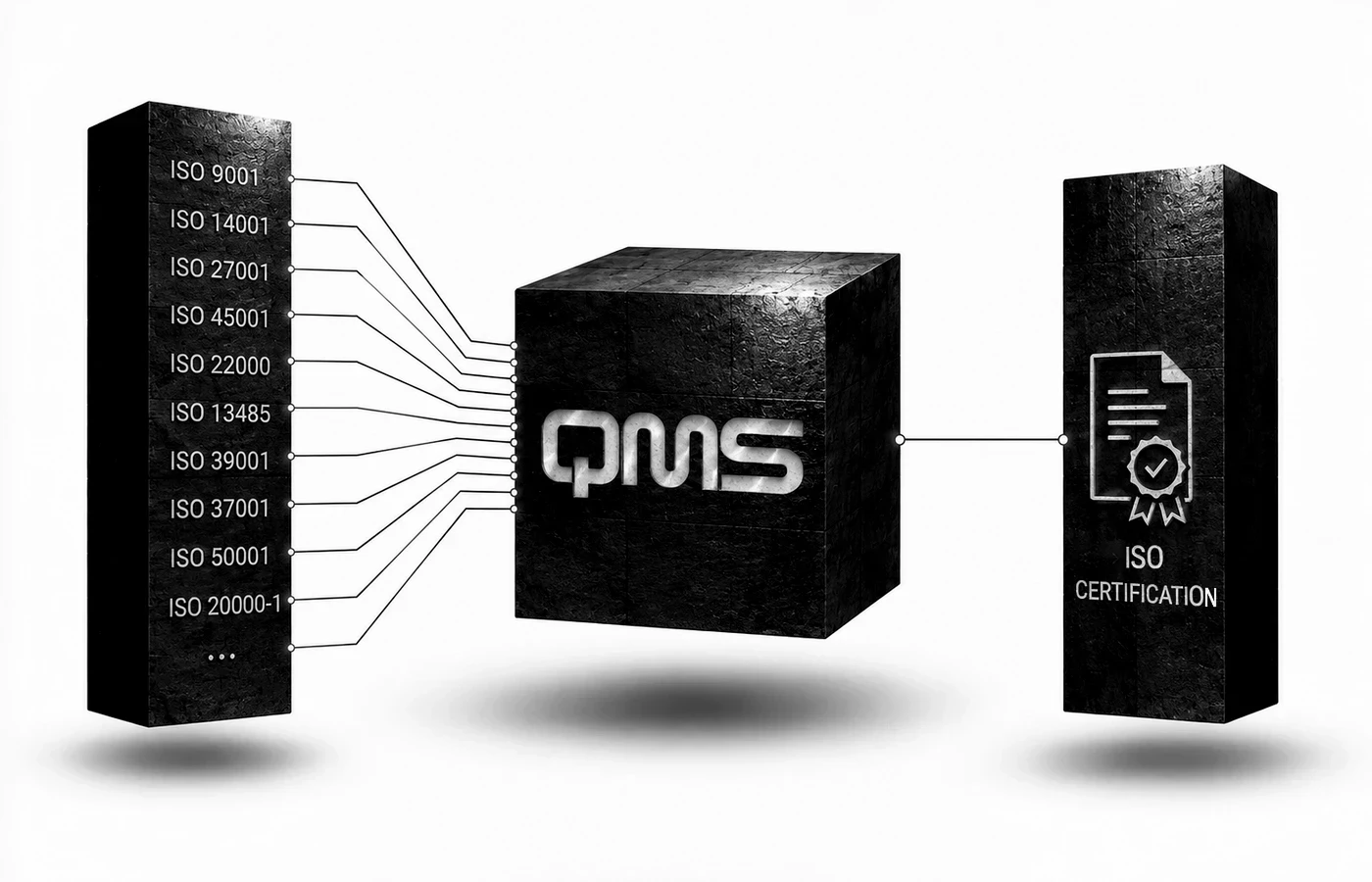
Preparing evidence, handling nonconformities and support for the certification body's audit.
Learn more →
Documents, internal audit, nonconformities, corrective actions and management review, with alerts and reports generated automatically.
Learn more →
Practical training in planning, interviews, objective evidence, findings, reporting and corrective actions.
Learn more →
Advanced competences for coordinating teams, complex audits and reporting to management.
Learn more →The cost of a second-party audit depends on the audit objective, the supplier audited, the location, criteria, standards, process complexity, time on site and the level of reporting required.
A document-based or remote audit may require less effort. An audit at a supplier with production, storage, a laboratory, logistics, a construction site, OH&S-risk activities or regulatory requirements takes more time for preparation, travel, checks, sampling and reporting.
A correct estimate is made after an initial discussion in which we clarify the purpose of the audit, the criteria, risks, location and desired deliverables.
Clear answers for organizations that want to evaluate suppliers, subcontractors or outsourced processes.
A second-party audit is an evaluation of a supplier, subcontractor or partner, carried out by the customer or on the customer's behalf, to check compliance with contractual, technical, ISO or regulatory requirements.
An internal audit checks the organization's own management system. A second-party audit checks an external organization: a supplier, subcontractor, service provider, logistics partner, IT supplier or other third party relevant to the customer.
No. A second-party audit does not result in an ISO certificate. It gives the customer a documented evaluation of the supplier and supports decisions such as approving, retaining, monitoring or replacing the supplier.
An audit is recommended when the supplier is critical, when the process is outsourced, when there are complaints, delays, nonconformities, compliance risks or strict contractual requirements, or before approving a new supplier.
Manufacturers, subcontractors, carriers, warehouses, IT suppliers, outsourced services, laboratories, maintenance providers, suppliers of raw materials, packaging, components or medical services, and suppliers in high-risk projects can all be audited.
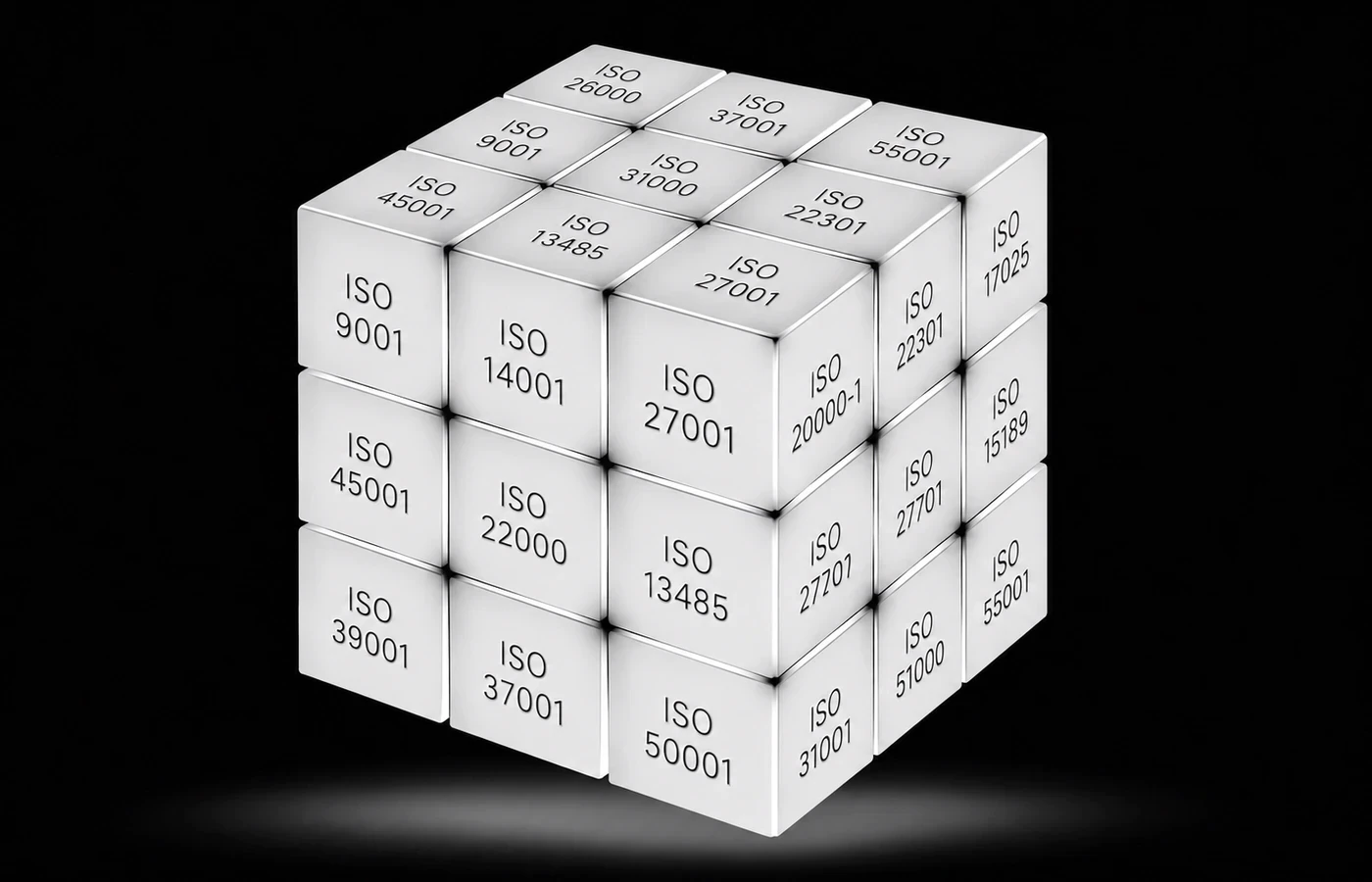
The criteria may include ISO 9001:2026, ISO 14001:2026, ISO 27001:2022, ISO 45001:2018, ISO 22000:2018, ISO 13485:2016, ISO 20000-1:2018, ISO 37001:2025, ISO 39001:2012, ISO 50001:2018, contractual requirements, technical requirements, internal procedures or checklists approved by the customer.
The report includes the objectives, scope, criteria, supplier audited, processes checked, evidence, findings, nonconformities, observations, risks, strengths, conclusions and recommendations for the decision or for corrective actions.
Yes, for documents, interviews, IT systems or low-risk processes. For production, storage, construction sites, logistics, food safety or high-risk processes, an on-site audit provides better evidence.
The duration depends on the objective, criteria, supplier complexity, sites, processes, risks and the level of detail required. A simple audit may take one day, while complex evaluations may require several days.
The cost depends on the duration of the audit, scope, location, number of processes, standards used, whether travel is needed, checklist preparation, the complexity of the report and any follow-up of corrective actions.
The customer may decide to approve the supplier, approve it conditionally, request a corrective action plan, apply additional monitoring, schedule a follow-up audit or change supplier.
Yes. The audit identifies gaps in control, nonconformities, dependencies, and quality, environmental, OH&S, information security, delivery or compliance risks before they affect the customer.
Not always. A supplier can also be audited against contractual or technical requirements, even if it is not certified. Certification can be useful evidence, but it does not replace the evaluation of real processes.
Yes, if this is contractually permitted and relevant to the risk. For complex supply chains, evaluating critical subcontractors can be essential.
Yes. The checklist can be built on ISO requirements, contractual requirements, technical specifications, risks, legal requirements, supplier approval criteria and the customer's objectives.
Yes. Procedures, records, certificates, reports, traceability, control plans, indicators, complaints, corrective actions, training, maintenance, risk assessments and other relevant evidence are reviewed.
Yes. Interviews with management and operational staff help verify how work is really done, responsibilities, knowledge of requirements and the application of procedures.
Yes. For on-site audits, checking processes, equipment, workflows, storage, traceability and operating conditions is essential.
Yes. A pre-approval audit helps the customer decide whether the supplier has the necessary capability, controls and maturity before the collaboration starts.
Yes. Periodic audits help monitor critical suppliers, verify corrective actions and reduce recurring risks.
A critical supplier is a supplier that can affect the quality of the product or service, business continuity, legal compliance, information security, food safety, health and safety or the customer's reputation.
Yes. Procurement receives objective information for selecting, negotiating with, classifying and monitoring suppliers and for decisions on high-risk suppliers.
Yes. Management gets a clear picture of external risks, dependencies, supplier quality and the areas that may affect the organization's performance.
Yes, depending on availability, language, location and project conditions. The audit can be remote, on site or hybrid.
Typically useful are the contract or applicable requirements, specifications, the list of processes, complaints, delivery history, evaluation criteria, relevant standards and any previous nonconformities.
Yes. The second-party audit must be customized. A generic checklist is rarely sufficient for critical suppliers or important outsourced processes.
Yes. One audit can combine quality, environment, OH&S, information security, food safety, contractual requirements and technical requirements into a single coherent evaluation.
The main deliverable is the audit report, supplemented by the checklist, findings, nonconformities, recommendations, an optional evaluation score and proposals for corrective actions.
Yes. The follow-up checks whether the supplier has addressed the nonconformities, whether the corrective actions are adequate and whether the risk has been reduced.
Outsourcing provides independence, methodology, audit competence, time savings for the internal team and objective reporting for decision-making.
ISO 19011 is a guideline for auditing management systems and provides principles for planning, auditor competence, evidence collection, reporting and the risk-based approach. The actual audit criteria remain the ISO standards, contracts, specifications and the customer's requirements.
The frequency is set according to the supplier's criticality, past performance, complaints, changes, nonconformities, contractual requirements and the potential impact on the organization's quality, continuity or compliance.
A quote request is useful when the organization has a concrete goal: initial certification, surveillance, recertification, a customer request, a tender, a supplier audit or an internal need to control processes.
For a realistic estimate, we need the target standard, number of employees, sites, main processes, the organization's activity, existing documentation and the desired deadline.
A work plan, clear deliverables, practical recommendations, documents proportionate to the organization and support focused on evaluating suppliers, subcontractors and partners, contractual risks and performance monitoring.
We work with organizations in Romania and the Republic of Moldova. A significant part of projects can be run online, with on-site sessions when the process requires it.
Send us a few details about the supplier, the industry, the applicable standards or requirements and the purpose of the audit. We can propose the right approach: document-based, remote, on-site or hybrid.
Phone: +40 722 773 446
Email: contact@qms.ro
Address: 12 Petru Rareș Street, Bucharest
Send an emailChoose whether to allow visitor statistics. You can change your choice at any time from the site footer.