Standard
ISO 9001:2026
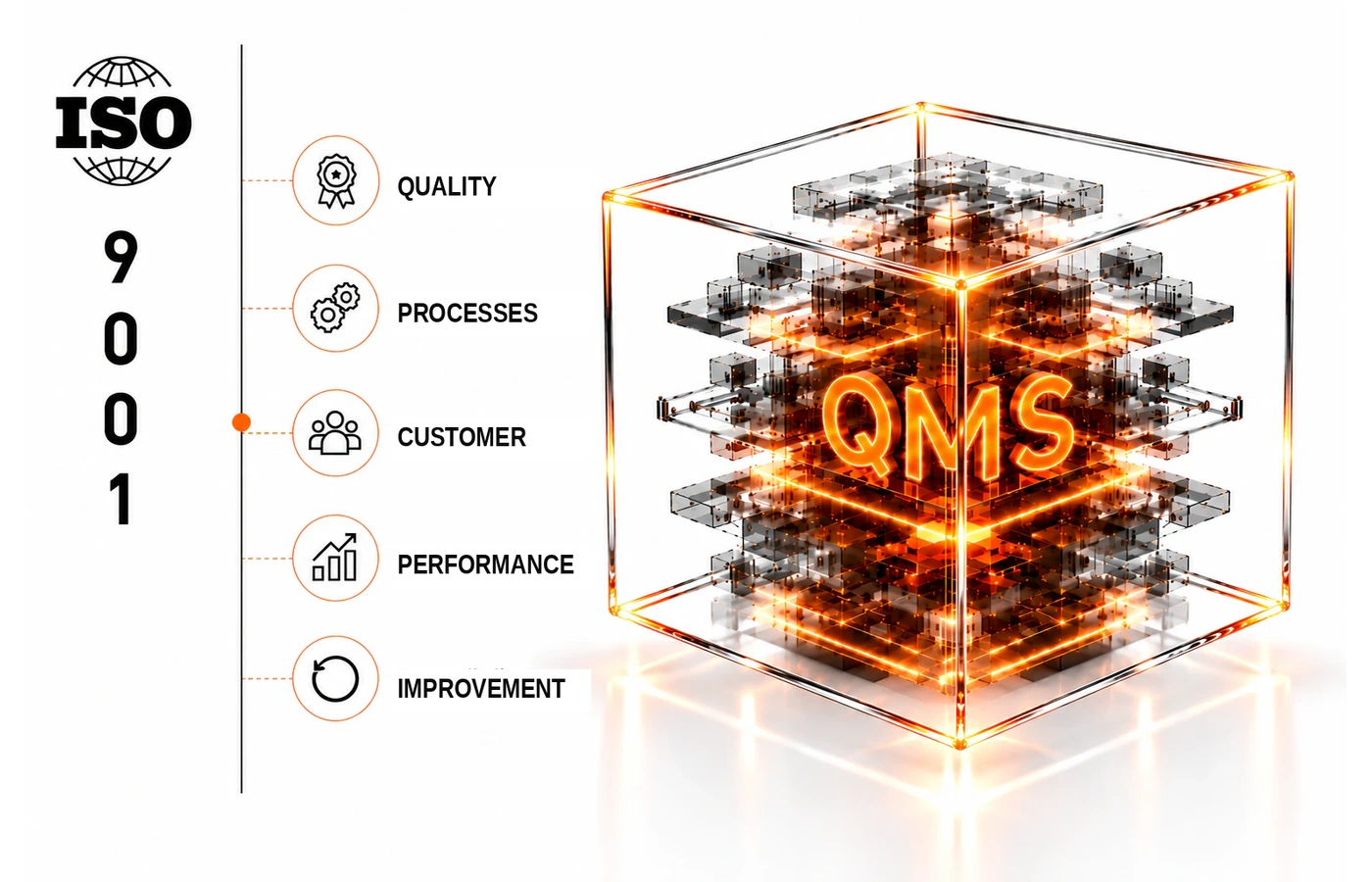
Quality management for processes, responsibilities, indicators, customers and continual improvement.
Learn more →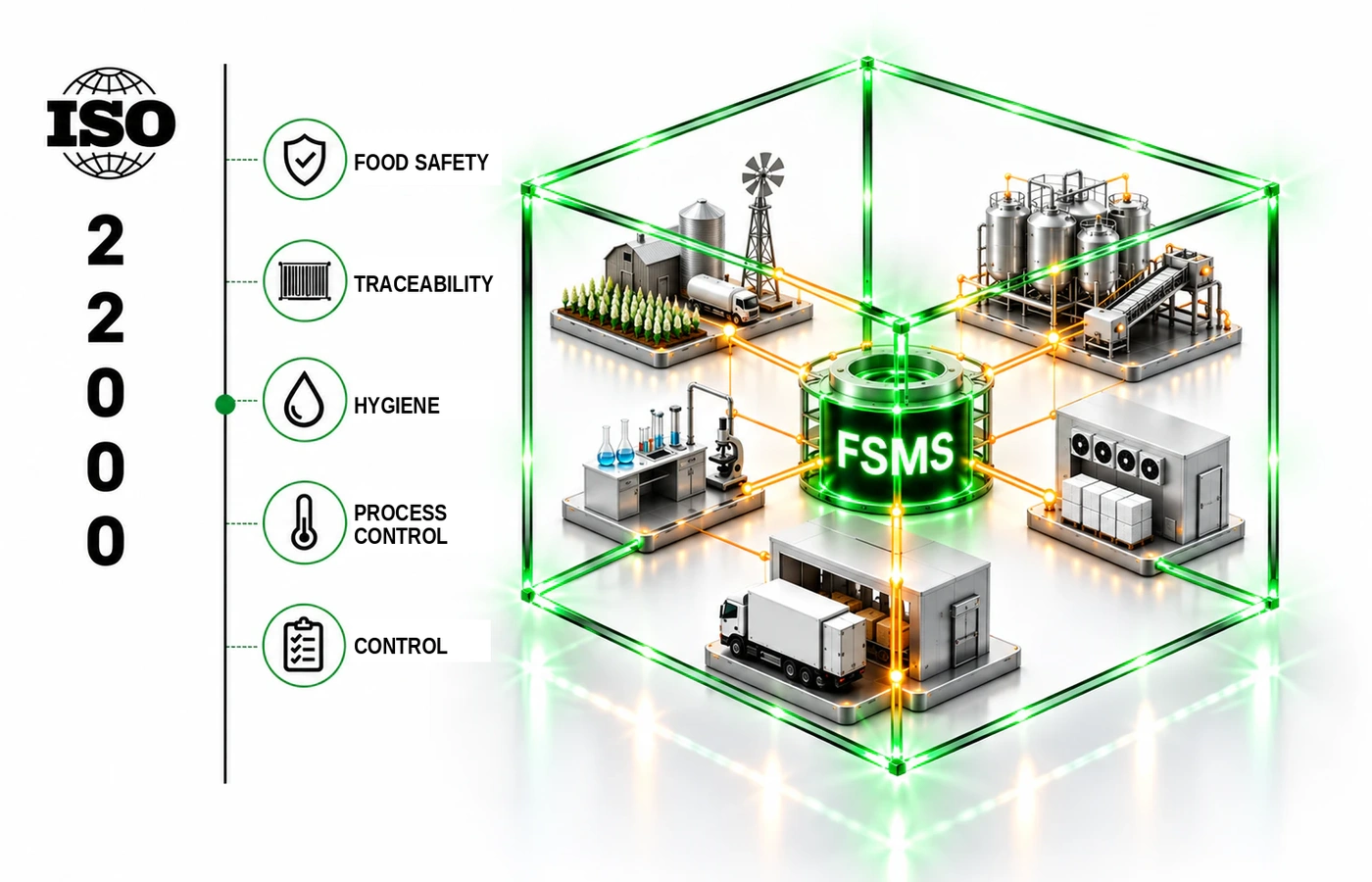
ISO 22000:2018 implementation, HACCP, PRPs, OPRPs, CCPs, traceability, hazard control, internal audit and certification preparation.
ISO 22000:2018 is the international standard for food safety management systems. It combines HACCP principles with requirements for management, communication, traceability, responsibilities, internal audit and continual improvement. The standard applies to organizations in the food chain that must demonstrate control of biological, chemical and physical hazards and allergens.
Official title of the standard: ISO 22000:2018 — Food safety management systems — Requirements for any organization in the food chain.
QMS Consulting provides ISO 22000:2018 consulting for organizations that want a clear, applicable and auditable system. The aim is not just to obtain the certificate, but to build a system that supports management decisions, process control and continual improvement.
ISO 22000:2018 remains the main framework for food safety management systems. For GFSI recognition, the standard is used in the FSSC 22000 scheme, together with sector-specific prerequisite programmes (for example ISO/TS 22002-1) and the additional requirements of the scheme.
ISO 22000:2018 combines HACCP principles with the requirements of a management system. The requirements apply according to the products, processes, the organization's position in the food chain and the specific hazards.
The hazard analysis must describe the real products and processes. Control measures, OPRPs and CCPs are credible only if monitoring is actually carried out and the records can be verified at the audit.
ISO 22000:2018 implementation follows the logic of food safety: first the prerequisite programmes, then the hazard analysis and control plan, then verification and improvement of the system.
We compare existing hygiene, HACCP and traceability practices with the requirements of ISO 22000:2018 and set priorities.
We set the products, lines, sites and activities included, plus the suppliers and external services relevant to food safety.
We check and document the prerequisite programmes: hygiene, cleaning and disinfection, pest control, maintenance, storage and personal hygiene.
We describe the products and flow diagrams, identify hazards and assess which of them require control measures.
We classify the control measures and set the critical limits or action criteria, monitoring and corrections for each point.
We check upstream and downstream traceability and the withdrawal and recall procedure, and test the response through a simulation.
We carry out the internal audit and prepare the management review and the verification of the system before the certification audit.
ISO 22000 certification is obtained through an audit carried out by an independent certification body chosen by the organization. Consulting does not replace the audit: it prepares the system and the team for it.
The organization selects a certification body with valid accreditation for this standard, where accreditation exists, and agrees the audit dates with it.
The body reviews the documentation, the scope of the system and the organization’s readiness for stage 2. Points to fix before continuing may be raised.
The body verifies on site that the system is implemented and effective, through interviews, observation and evidence. Nonconformities found are closed through corrective actions.
After nonconformities are closed, the body takes the certification decision and issues the certificate. The system is then checked through surveillance and recertification audits, according to the body’s rules.
At every stage, a consultant dedicated to the project and consultants experienced in certification audits prepare the evidence, the team and the responses to nonconformities. The certificate is issued only by the certification body. See ISO certification preparation.
Biological, chemical and physical hazards, including allergens, have validated and monitored control measures.
Certification meets the requirements of retail chains, distributors and industrial customers in the food sector.
Raw materials and finished products can be traced upstream and downstream, and a lot can be recalled quickly.
Monitoring records, verifications and corrective actions are available to authorities and auditors.
Prerequisite programmes and the HACCP plan reduce the risk of contamination, complaints and product recalls.
The results of verifications, audits and complaints are used to update the hazard analysis.
ISO 22000:2018 applies to any organization in the food chain: producers and processors, food warehouses and carriers, HoReCa and catering, and suppliers of ingredients or packaging.
ISO 22000:2018 is often implemented together with ISO 9001 for product quality and with ISO 14001 or ISO 45001 in production units, within the same management structure.
Quality management for processes, responsibilities, indicators, customers and continual improvement.
Learn more →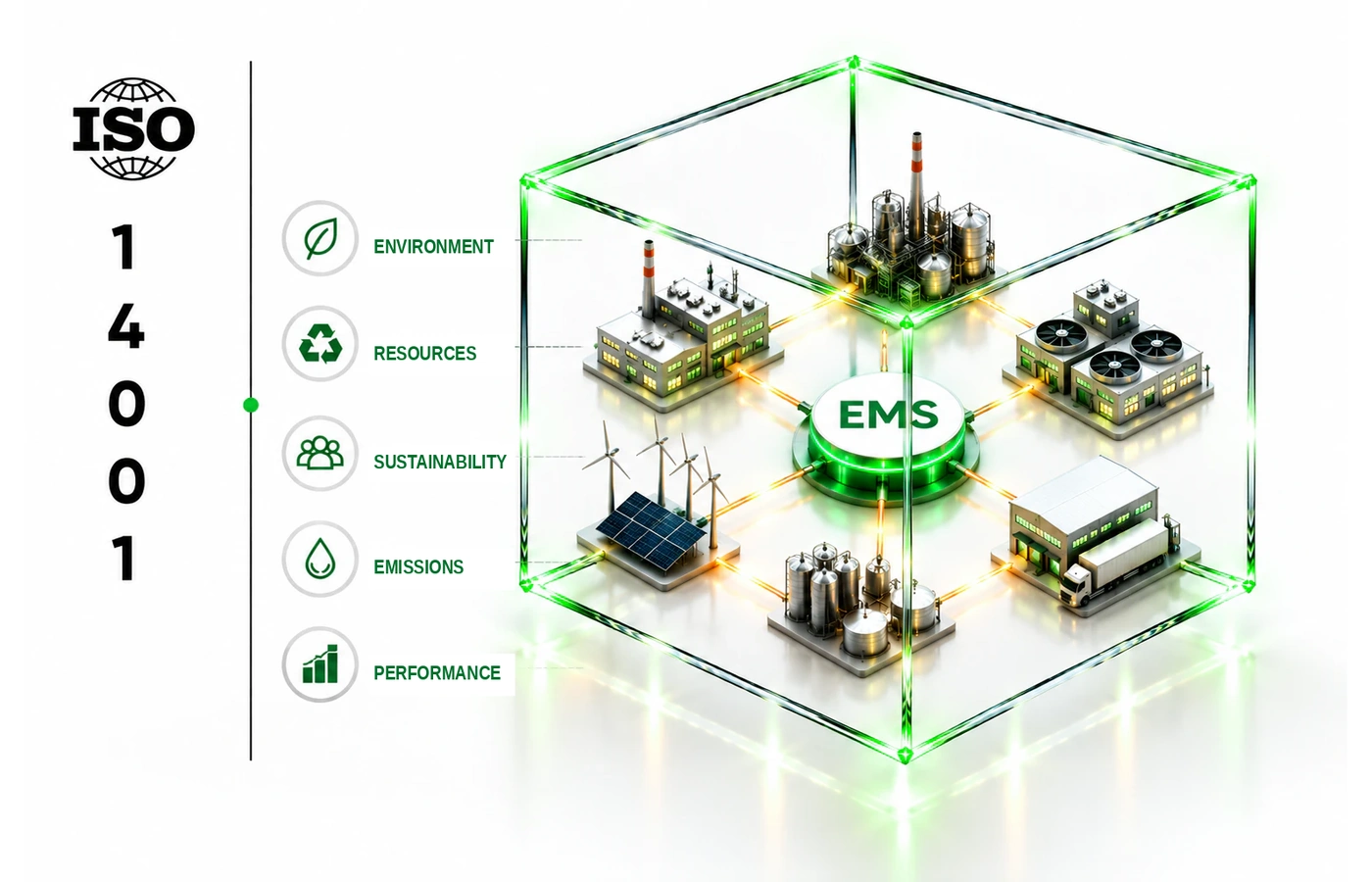
Environmental management for aspects, impacts, compliance obligations and environmental performance.
Learn more →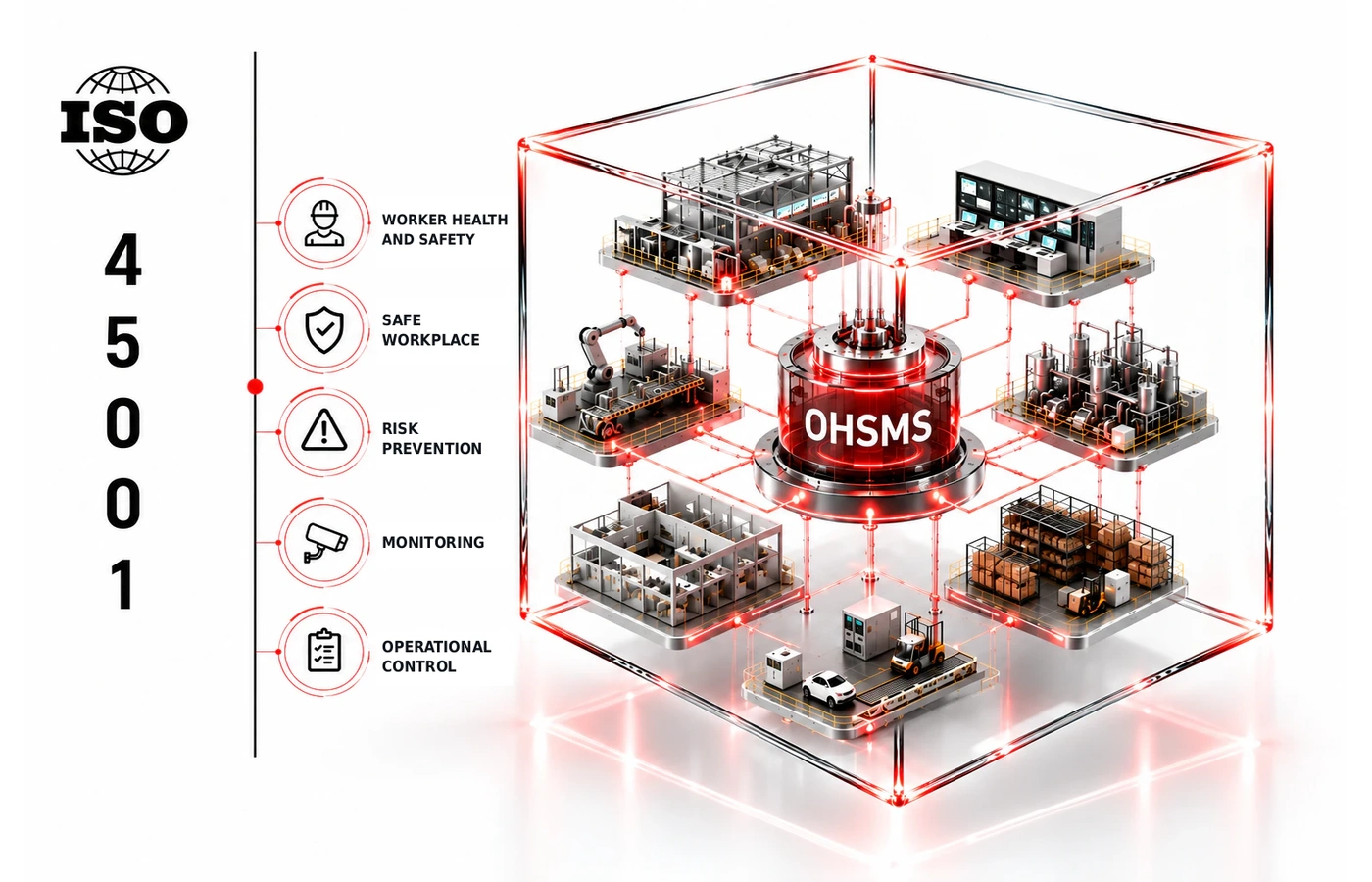
Occupational health and safety for OH&S risks, workers, contractors and prevention.
Learn more →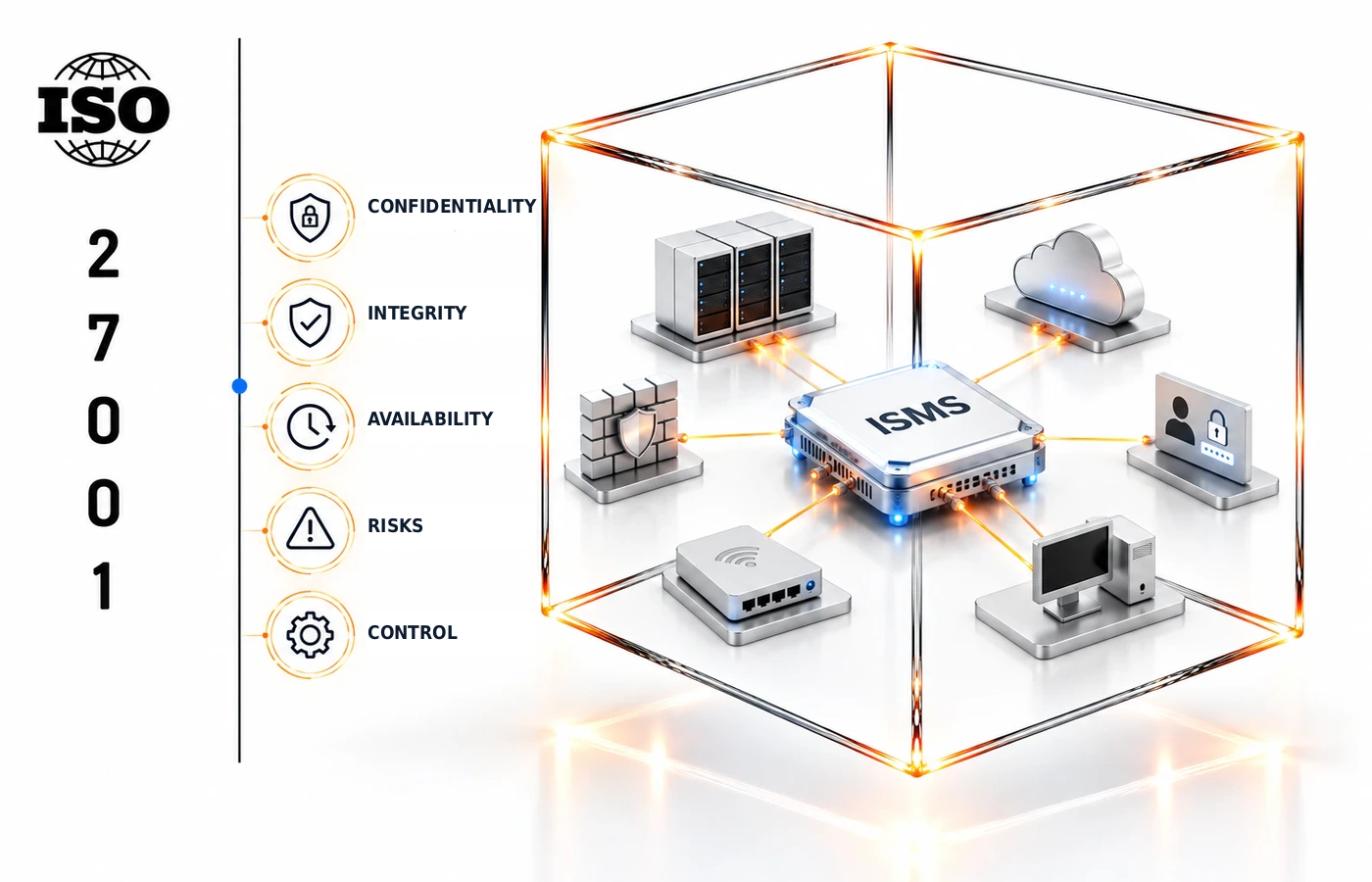
Information security for information risks, the ISMS, controls, access and data.
Learn more →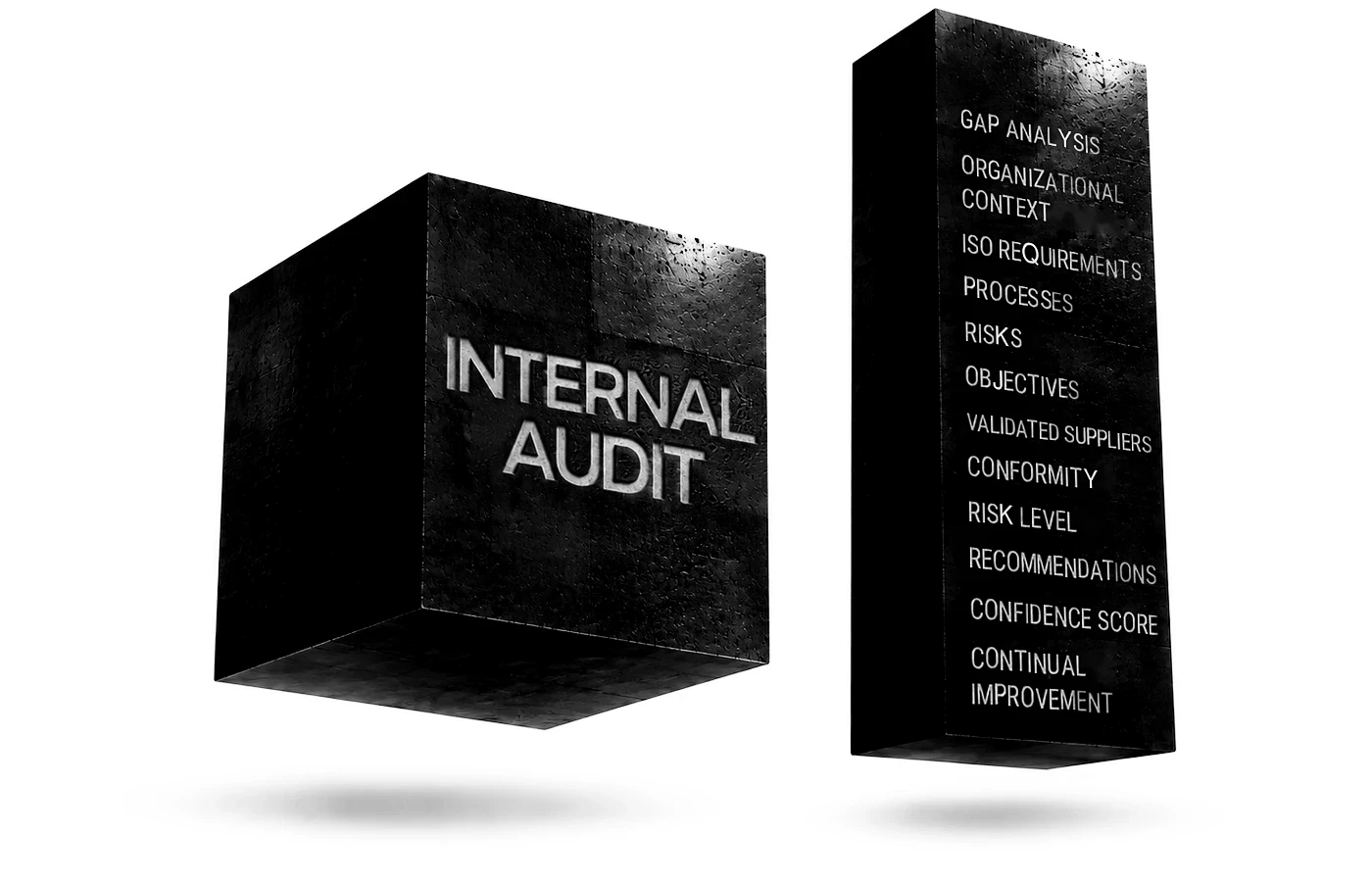
Checking the conformity and effectiveness of the system before certification, surveillance or recertification.
Learn more →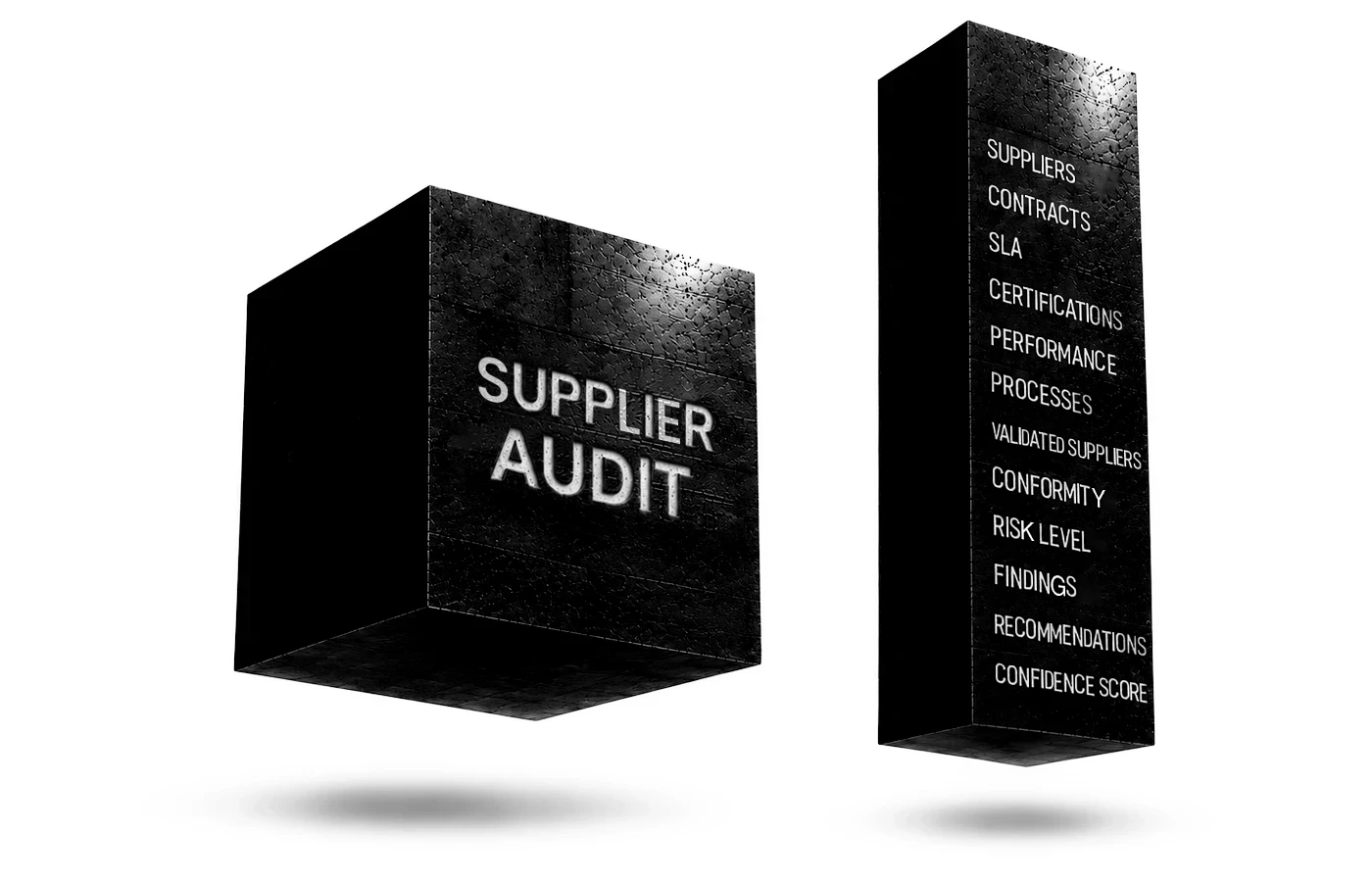
Evaluating suppliers, subcontractors and outsourced processes against the relevant requirements.
Learn more →
GAP analysis, implementation plan, documentation, training, operational support and audit preparation.
Learn more →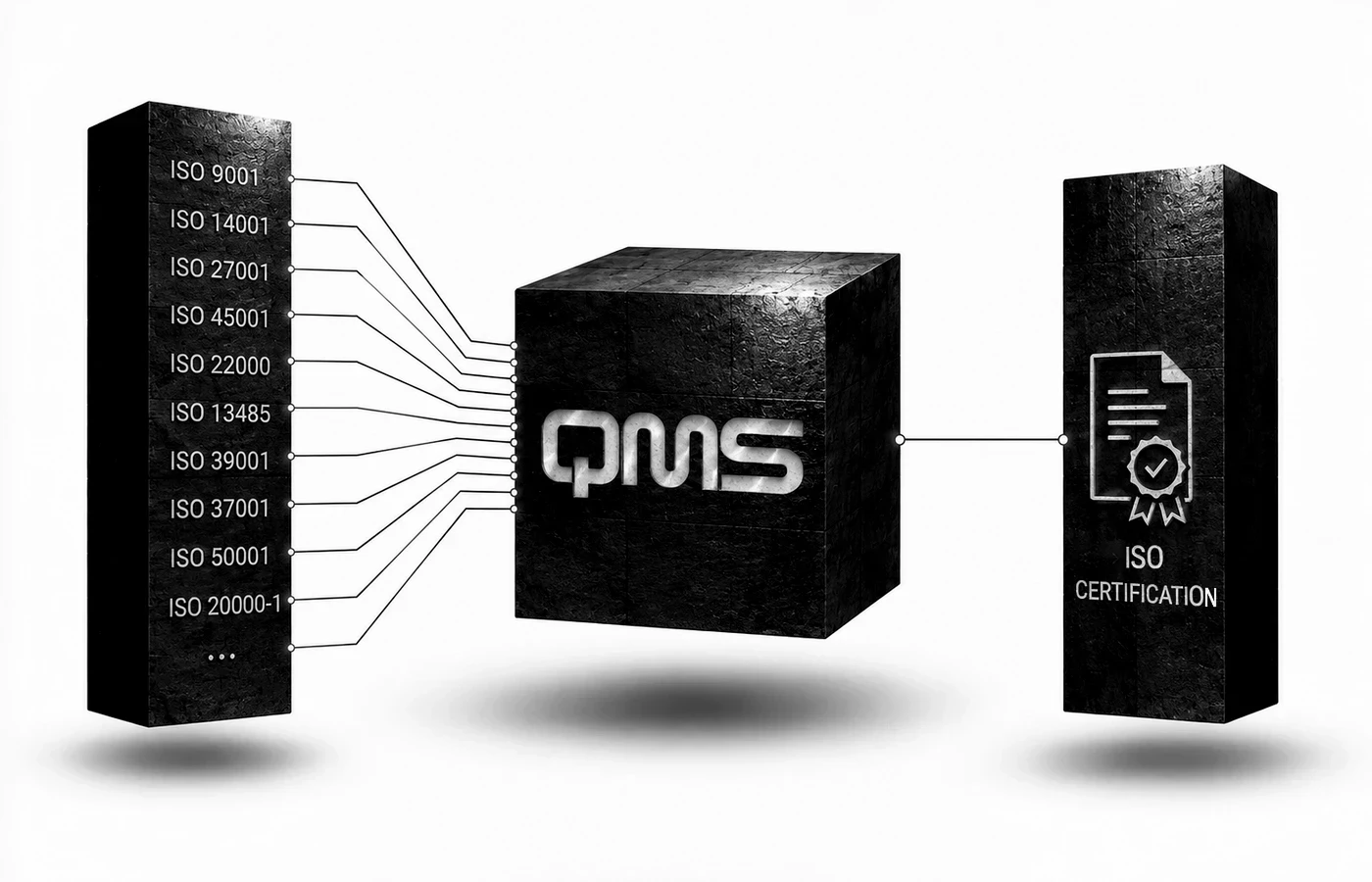
Reviewing evidence and corrective actions, and preparing the team for the certification body's audit.
Learn more →
Documents, internal audit, nonconformities, corrective actions and management review, with alerts and reports generated automatically.
Learn more →
Developing internal competences for auditing management systems.
Learn more →
Advanced preparation for auditing management systems and coordinating audits.
Learn more →It is the international standard for food safety management systems.
A Food Safety Management System.
ISO 22000:2018 integrates HACCP principles into a complete management system.
Prerequisite programmes for hygiene, cleaning, maintenance, pest control, waste and training.
OPRPs control significant hazards, while CCPs are critical control points with limits and strict monitoring.
The ability to trace products, ingredients and lots along the food chain.
Yes, allergen management is an important part of hazard control.
An independent certification body; QMS Consulting provides preparation and consulting.
It depends on the products, processes, sites, HACCP maturity and the availability of the team.
The system is maintained through internal audits, monitoring, updating the HACCP plan and surveillance audits.
Duration depends on the certification body, the size of the organization and the time needed to close any nonconformities. The stage 1 and stage 2 audits are scheduled together with the chosen body.
Choose a body with valid accreditation for the standard and your field of activity, where accreditation exists, and compare offers and audit conditions. The consultant does not certify and does not influence the body’s decision.
If your organization is aiming for ISO 22000:2018 certification, the services below turn the requirements of the standard into a working system: GAP analysis, useful documentation, training, internal audit and preparation for the certification body's audit.
We check whether the system is applied before certification, surveillance or recertification, and we prioritize corrective actions.
ISO internal audit →We build the system on real processes, risks, responsibilities, objective evidence and indicators relevant to HACCP, traceability, hazards and prerequisite programmes.
ISO consulting →We prepare the team, the documents and the evidence for the certification audit, with a focus on effectiveness and conformity.
ISO certification preparation →Documents, internal audit, nonconformities, corrective actions and management review, with alerts and reports generated automatically.
Learn more →Services are available for organizations in Romania and the Republic of Moldova, including online work where the nature of the processes allows it.
Send us a few details about your organization, your field of activity and the goal of the project. We can guide you through the right steps for ISO 22000:2018 implementation, internal audit or certification preparation.
Phone: +40 722 773 446
Email: contact@qms.ro
Address: 12 Petru Rareș Street, Bucharest
Send an emailChoose whether to allow visitor statistics. You can change your choice at any time from the site footer.