Quality
ISO 9001:2026
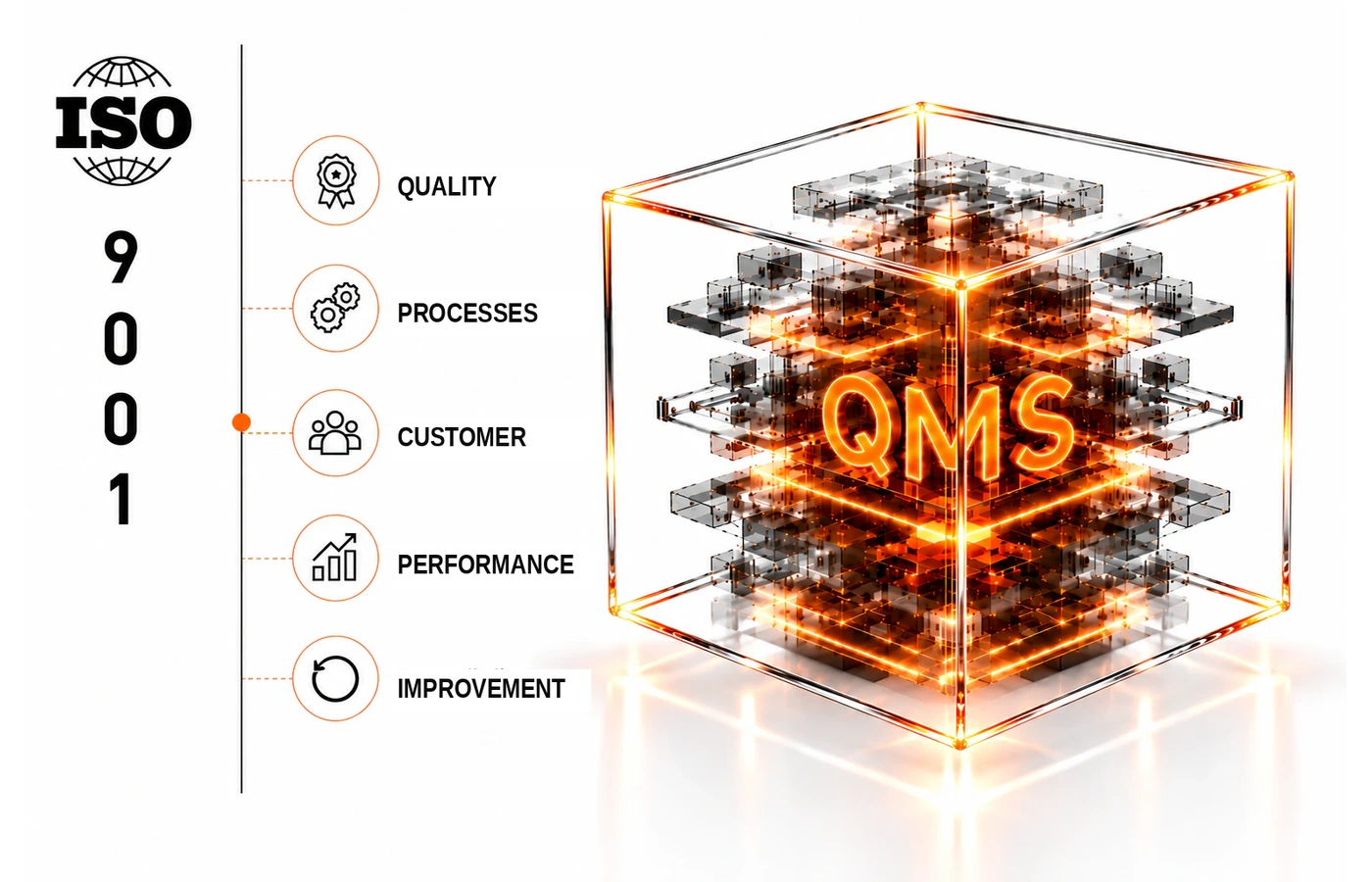
Quality management system for controlled processes, measurable objectives, customer satisfaction, performance evaluation and continual improvement.
Learn more →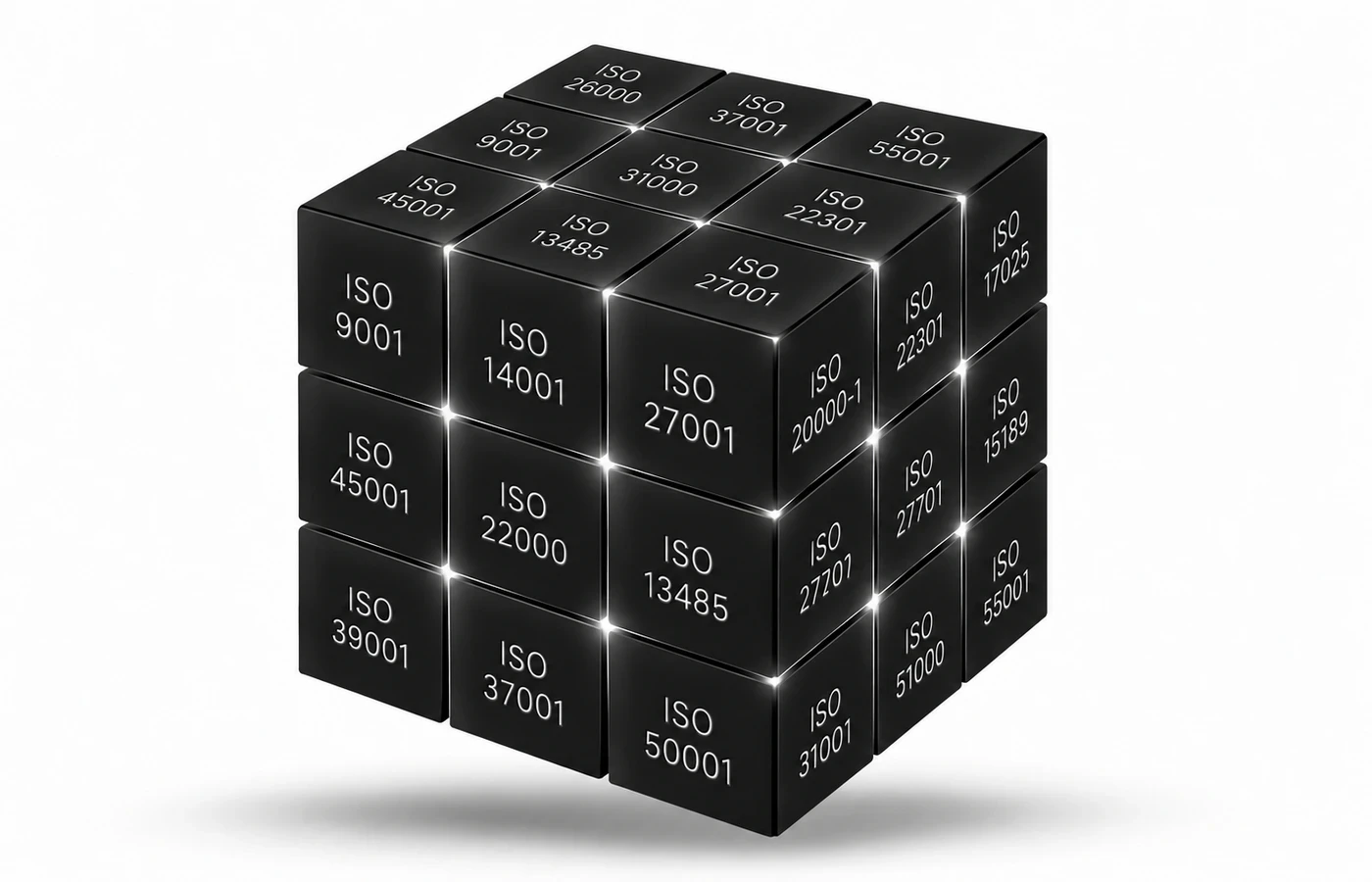
A complete guide for organizations that want to choose, implement and maintain ISO standards relevant to quality, environment, information security, OH&S, energy, food safety, IT services and compliance.
ISO standards give organizations an internationally recognized framework for controlling processes, risks, responsibilities, evidence and performance. They are not just requirements for certification, but management tools that help companies work more coherently, predictably and transparently.
A well-implemented ISO standard should not turn the organization into a bureaucratic system. On the contrary, its role is to reduce uncertainty, clarify the way of working, create verifiable evidence and give management useful information for decision-making.
QMS Consulting provides consulting, internal audit, certification preparation and training for the main ISO standards used by companies in Romania and the Republic of Moldova.
Organizations implement ISO standards for different reasons: access to large customers, exports, tenders, contractual requirements, reducing risks, improving processes, controlling suppliers or increasing credibility. An effective ISO system must meet these objectives without adding unnecessary documents.
ISO certification may be required in contracts, tenders, supply chains or international projects.
Standards help the organization define processes, indicators, responsibilities and evidence for day-to-day work.
Risks are identified, assessed and treated in a documented and verifiable way.
A mature ISO system shows that the organization can demonstrate conformity, not just claim it.
Each standard has a different role. Some standards focus on quality and customers, others on the environment, security, occupational health, energy, food safety, IT services or integrity. The right choice depends on the organization's goal and market requirements.
Quality management system for controlled processes, measurable objectives, customer satisfaction, performance evaluation and continual improvement.
Learn more →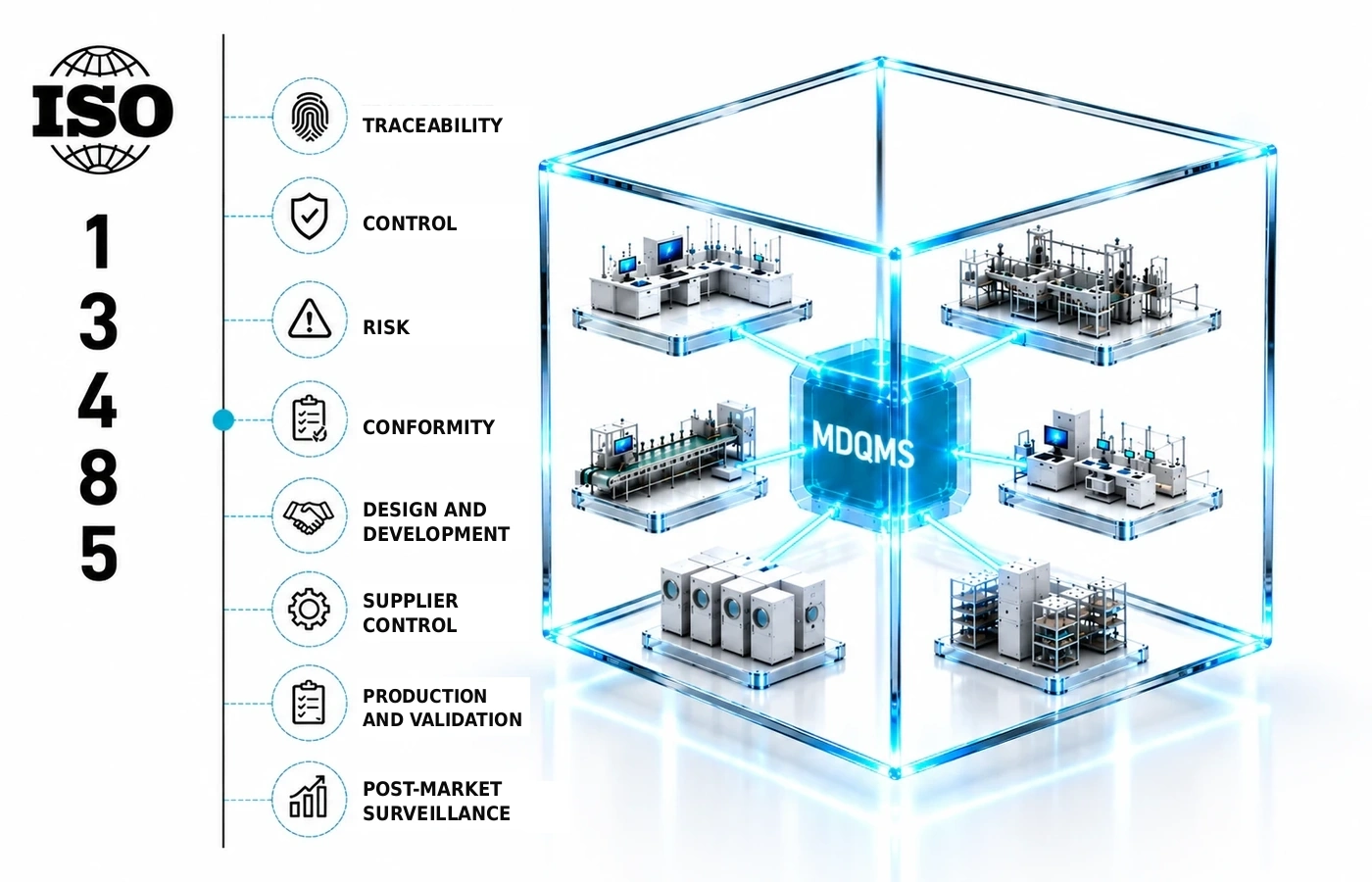
Quality management system for medical devices, traceability, regulatory requirements, documented control, risk and critical processes.
Learn more →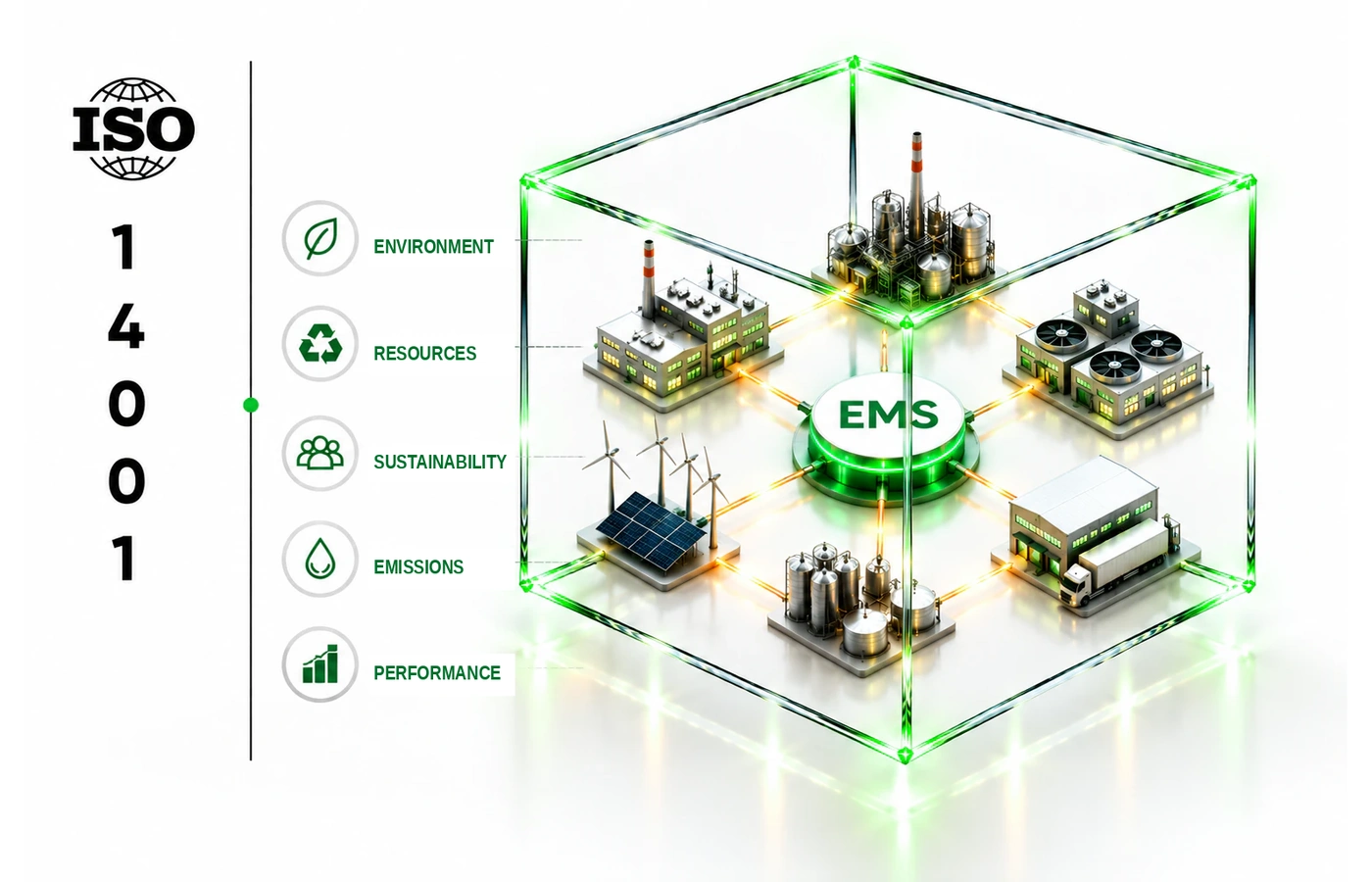
Environmental management for environmental aspects, compliance obligations, operational control, environmental performance and sustainability objectives.
Learn more →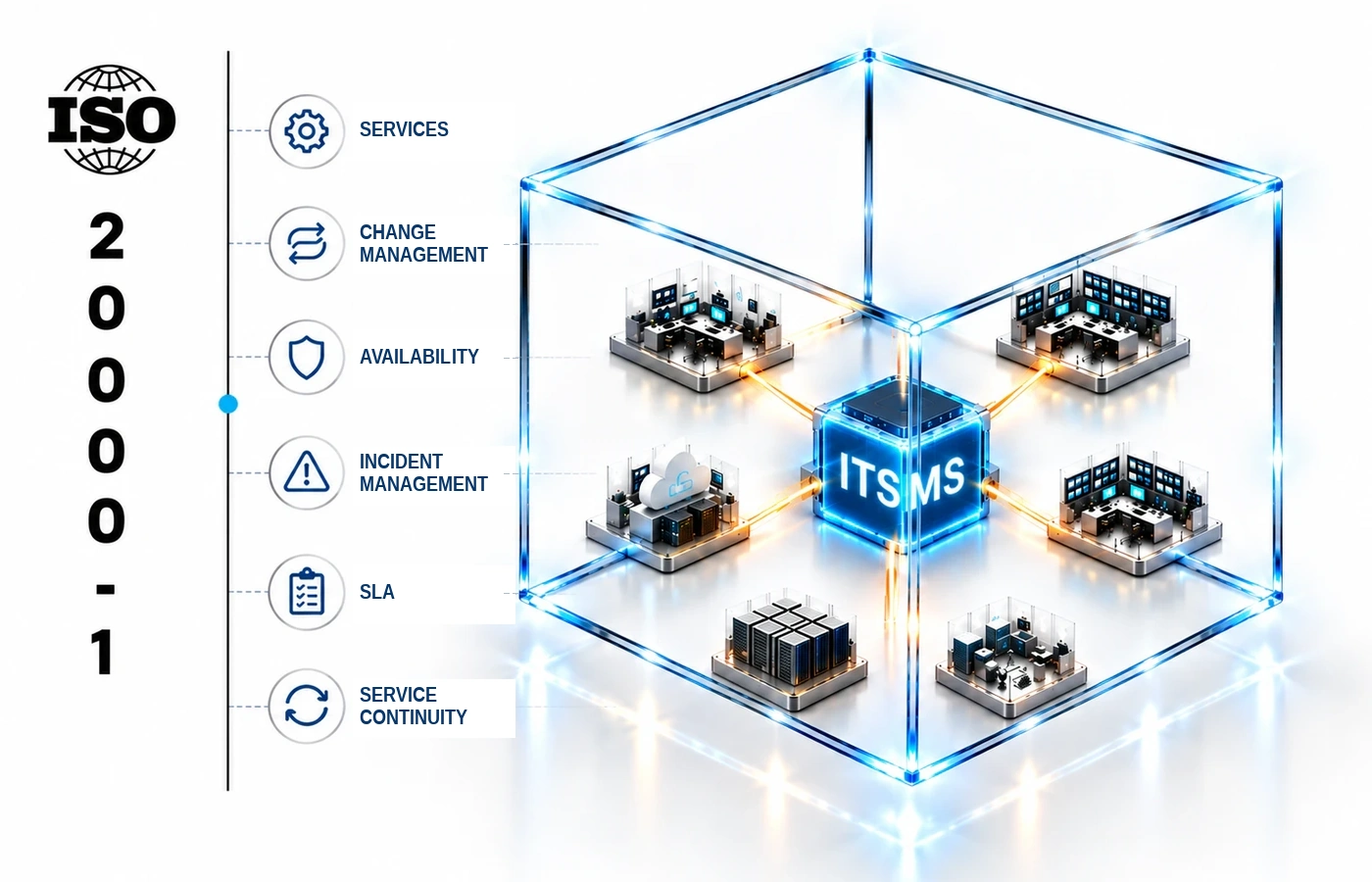
IT service management for SLAs, incidents, changes, suppliers, availability, continuity and controlled delivery of digital services.
Learn more →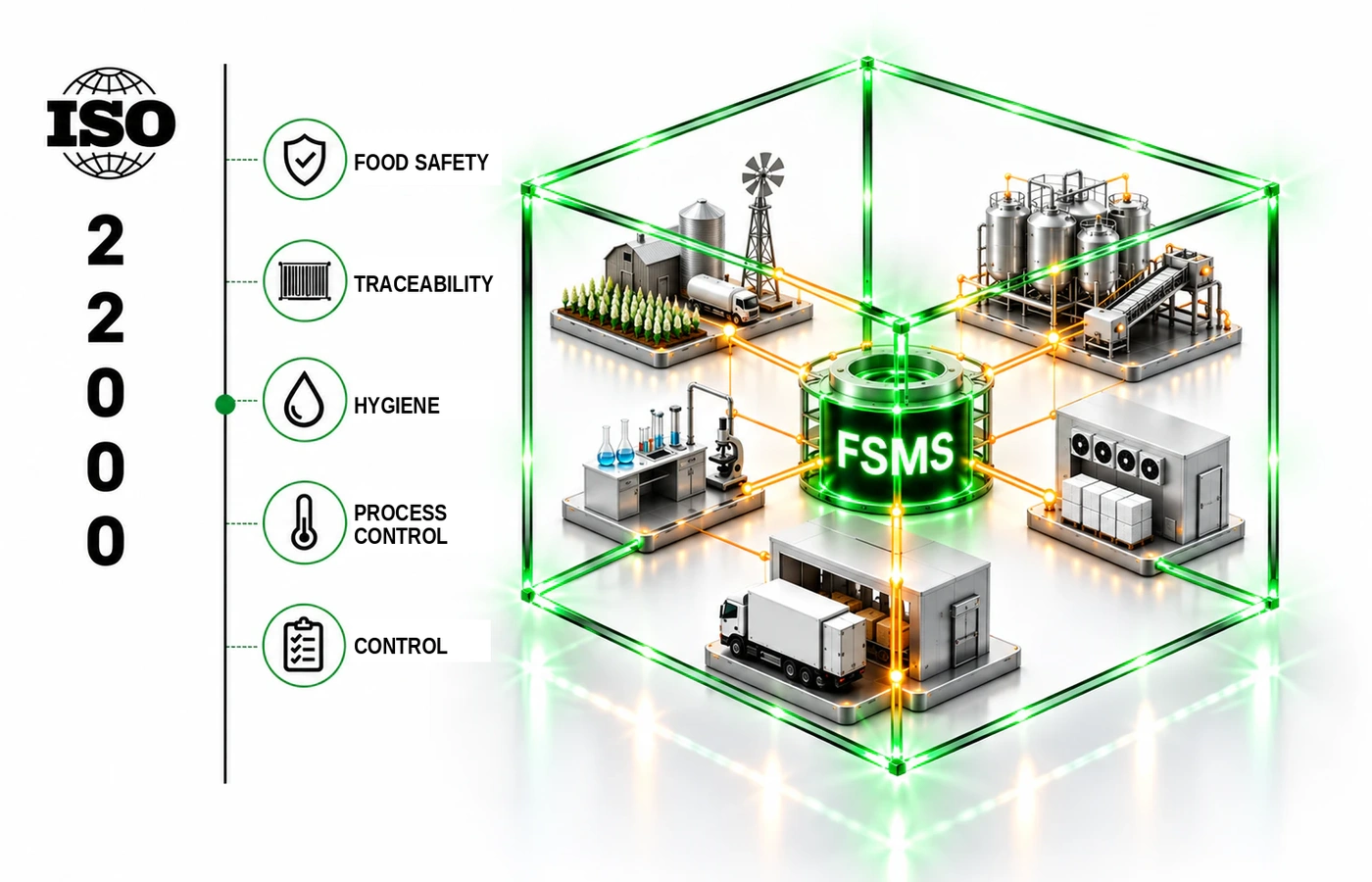
Food safety for HACCP, prerequisite programmes, traceability, control of food hazards and communication along the food chain.
Learn more →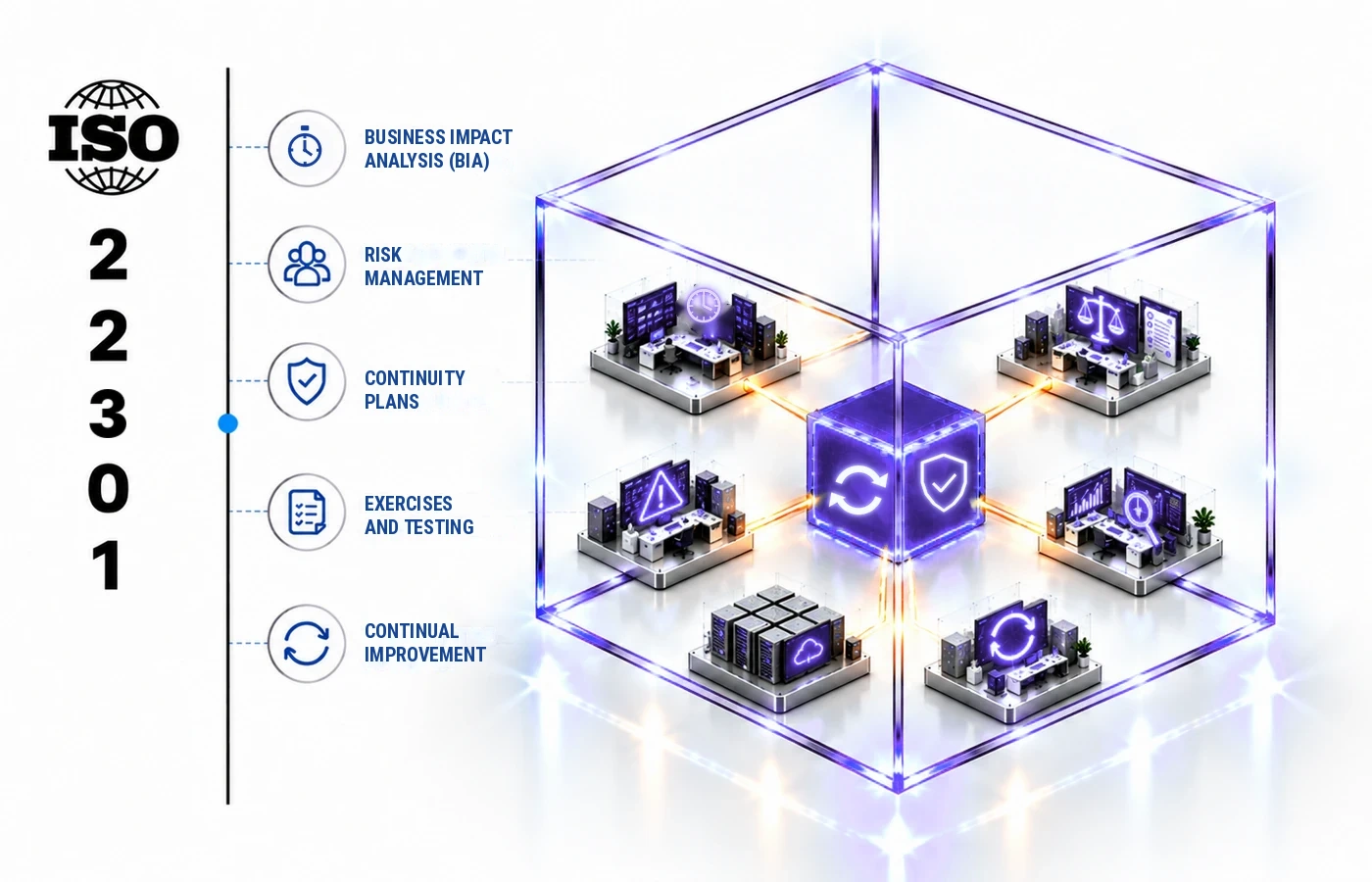
Business continuity: impact analysis, continuity plans, exercises and recovery of critical activities.
Learn more →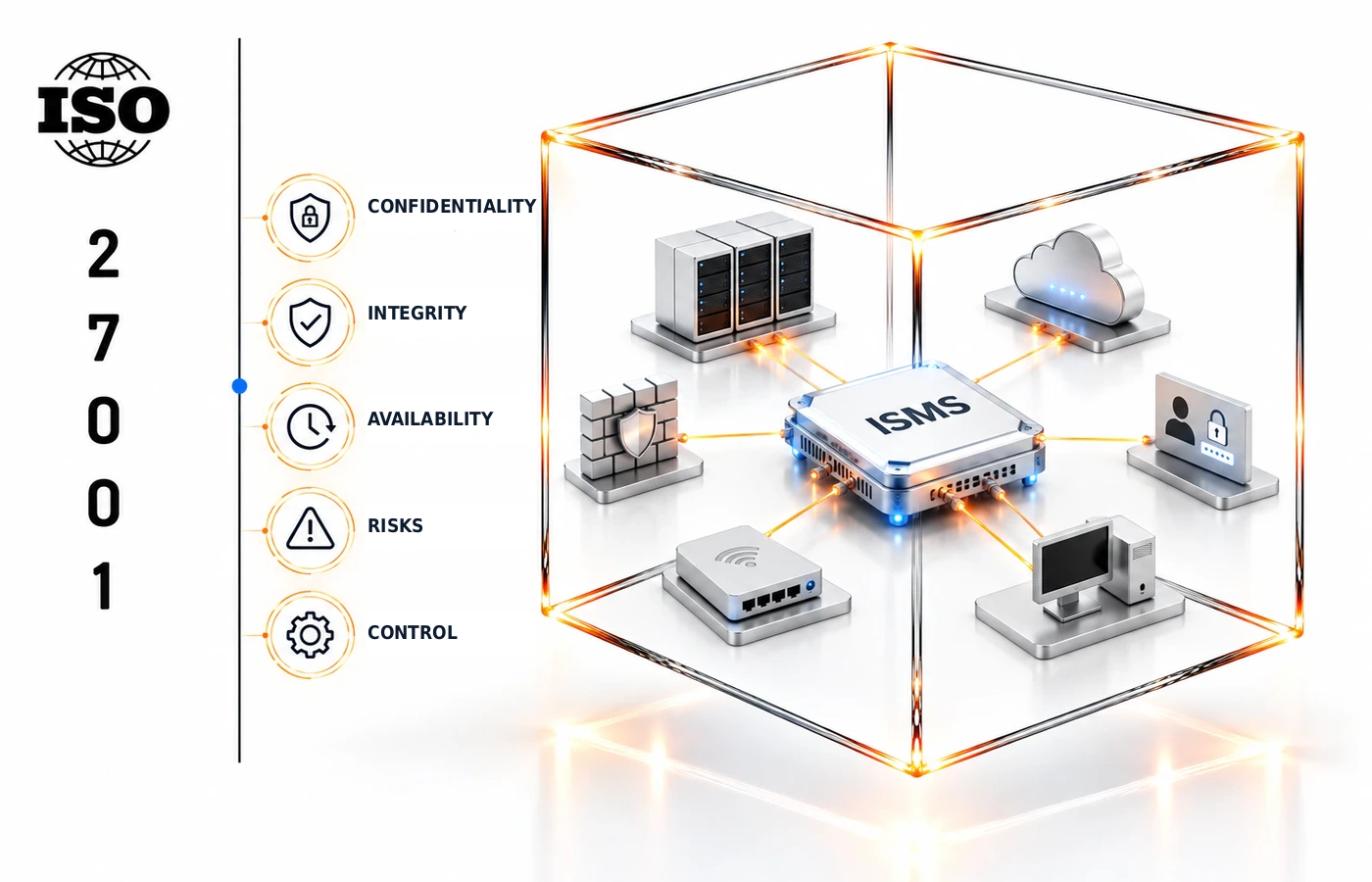
Information security for information assets, risk assessment, controls, access, incidents, continuity and data protection.
Learn more →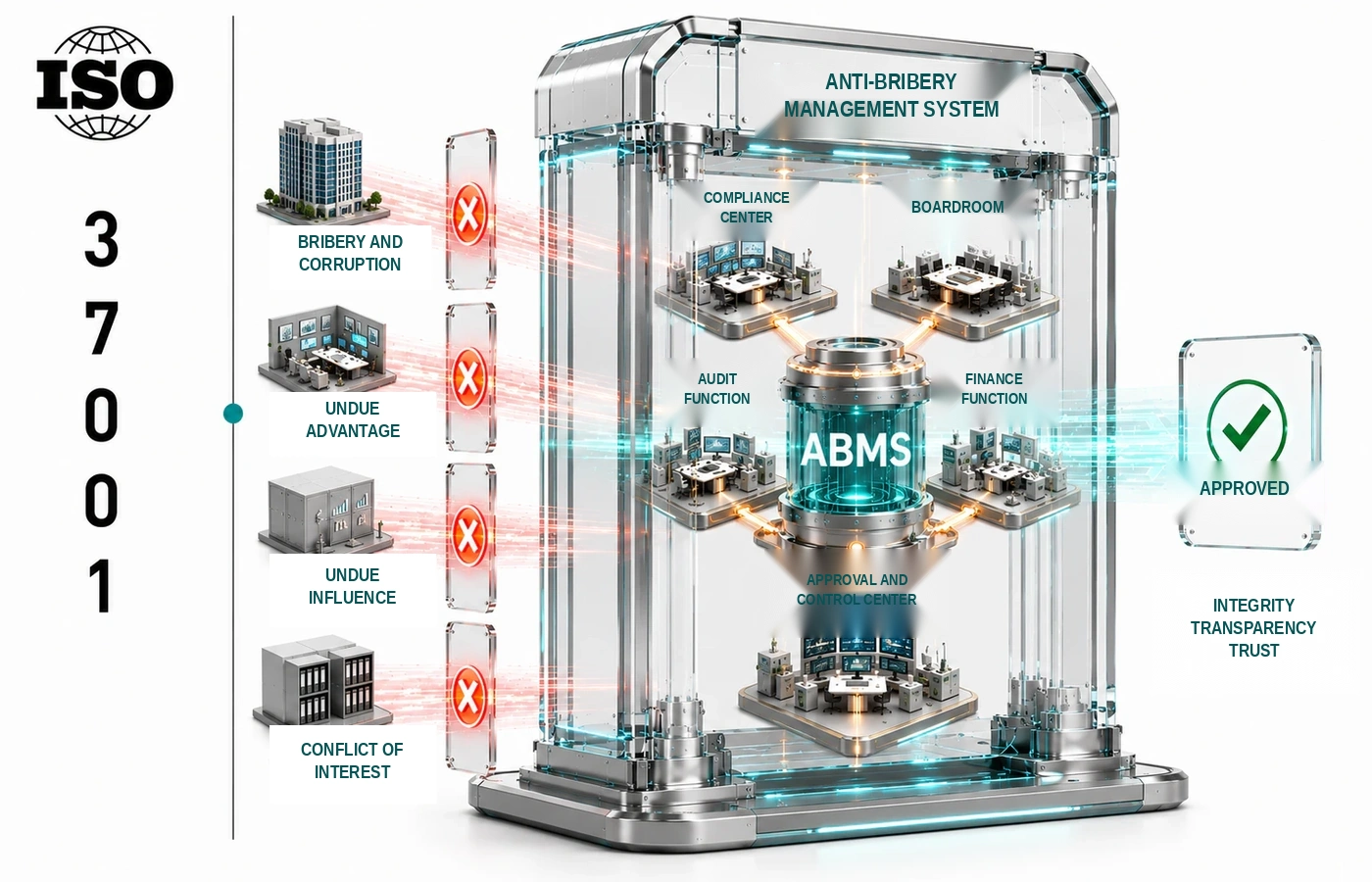
Anti-bribery management system for integrity, due diligence, third-party controls, reporting, investigations and organizational compliance.
Learn more →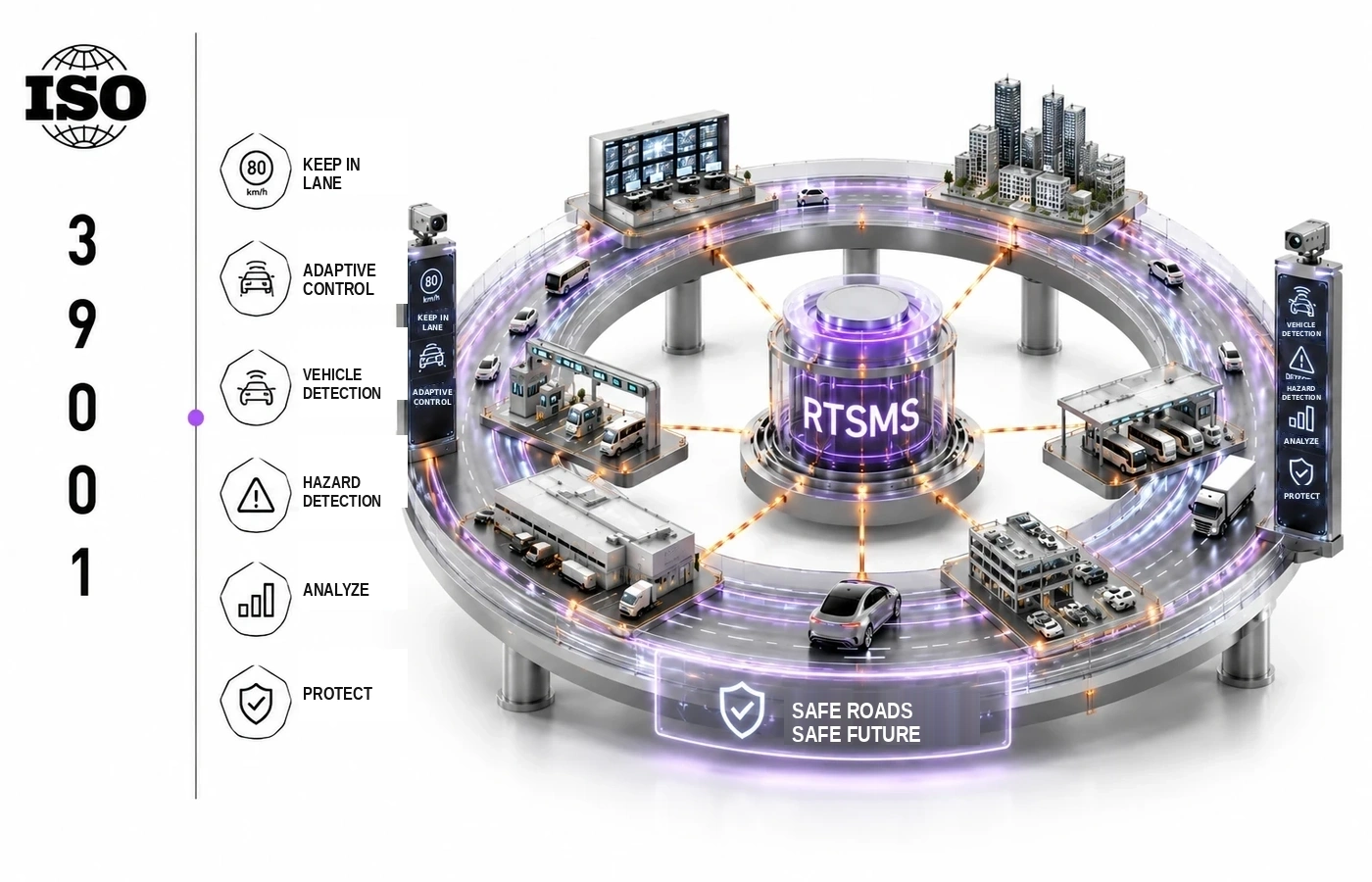
Road traffic safety management for transport, logistics, fleets, risk indicators, driving behaviour and operational control.
Learn more →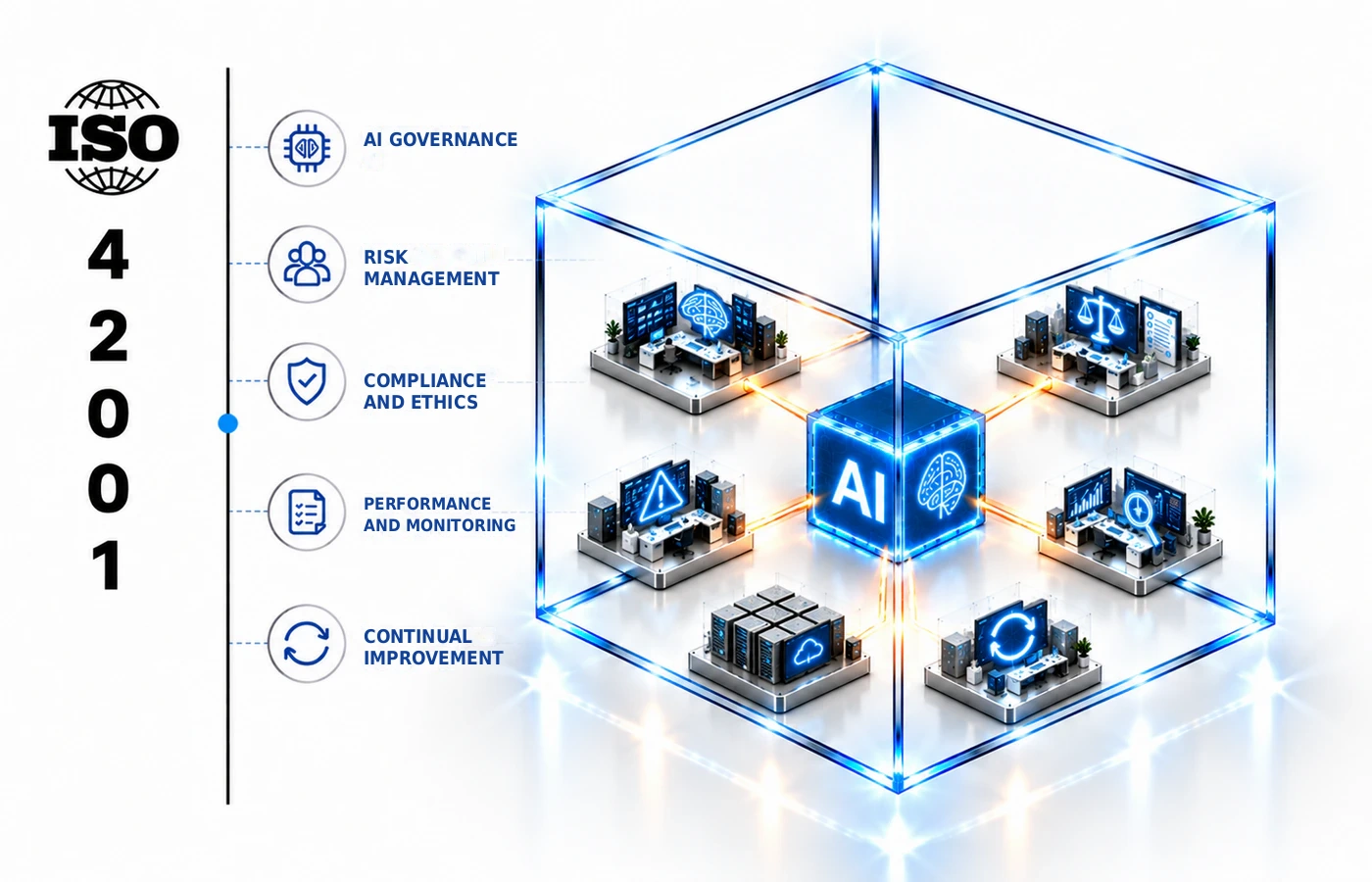
Artificial intelligence management: governance, AI risk assessment, transparency and responsible use.
Learn more →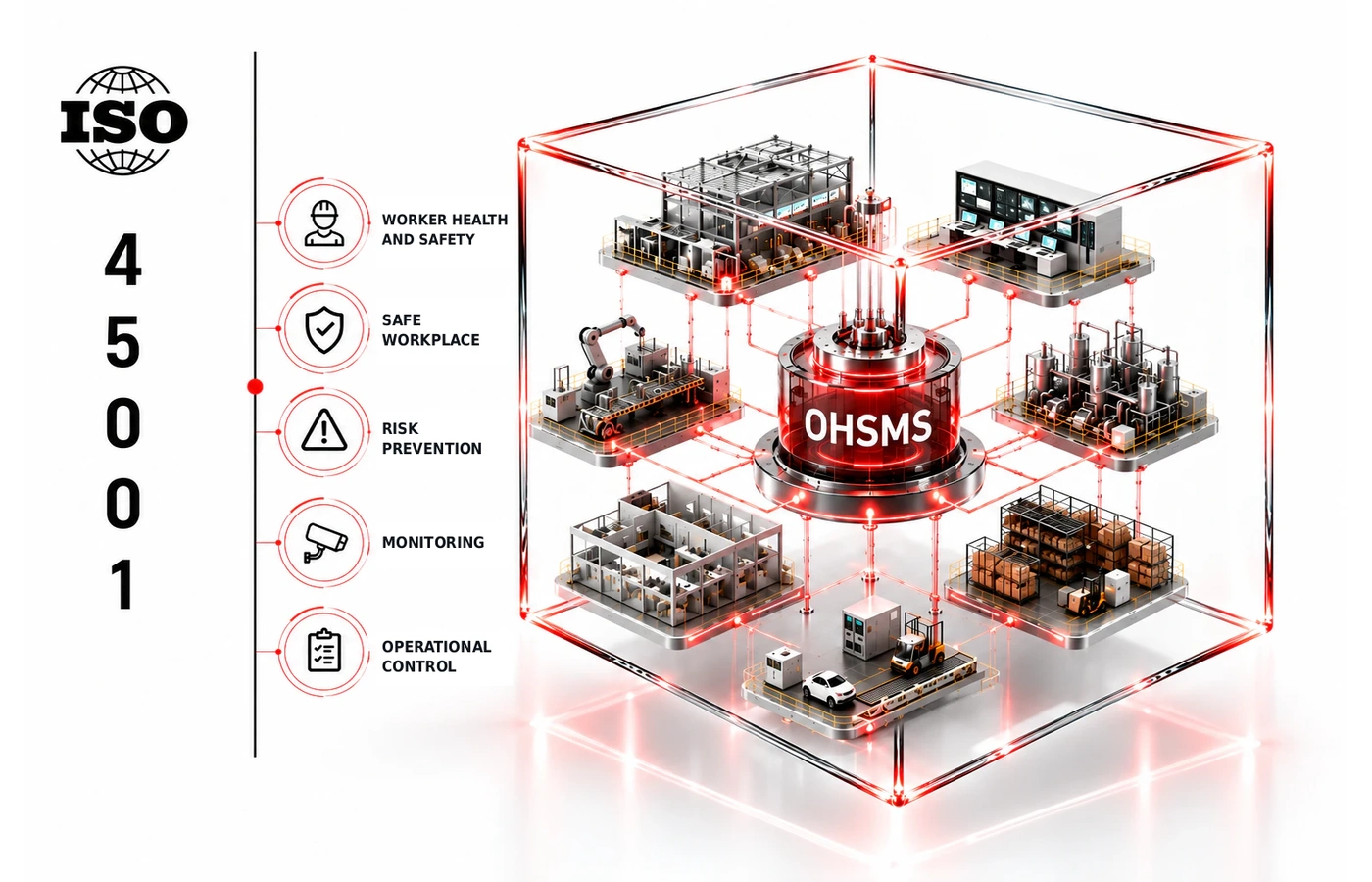
Occupational health and safety for hazard identification, risk control, worker consultation and incident prevention.
Learn more →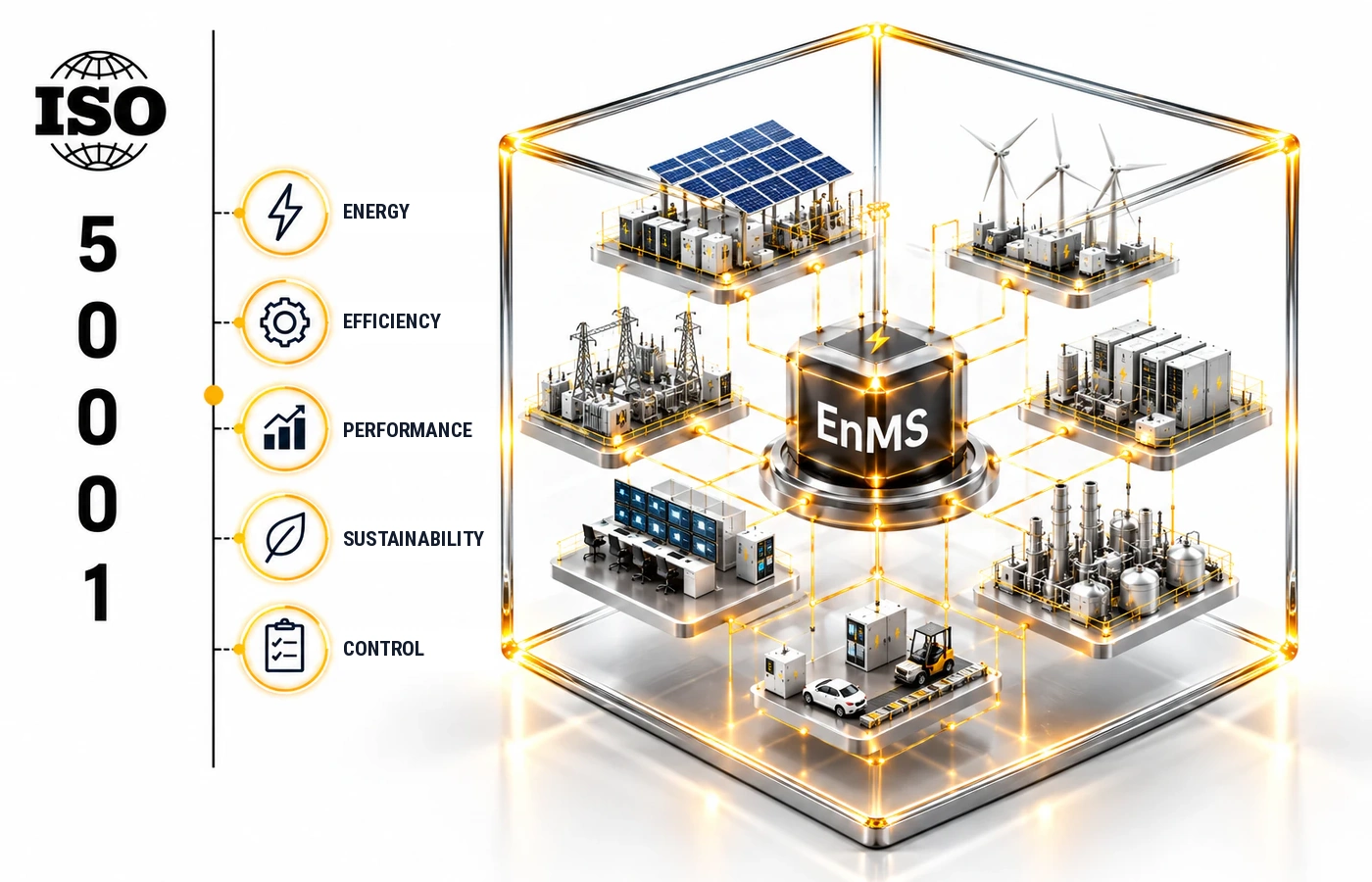
Energy management for consumption, energy indicators, the energy baseline, monitoring, efficiency and energy performance.
Learn more →The choice of ISO standard must start from the organization's goal. If the main issue is quality and customer satisfaction, ISO 9001:2026 is the starting point. If the organization handles sensitive data, ISO 27001:2022 becomes a priority. If the activity involves environmental impact, OH&S risks or high energy consumption, the relevant standards are ISO 14001:2026, ISO 45001:2018 and ISO 50001:2018.
In many cases, the right choice is not a single standard but an integrated system. For example, a manufacturing company may need ISO 9001:2026, ISO 14001:2026 and ISO 45001:2018, while an IT company may combine ISO 27001:2022 with ISO 20000-1:2018 and ISO 9001:2026.
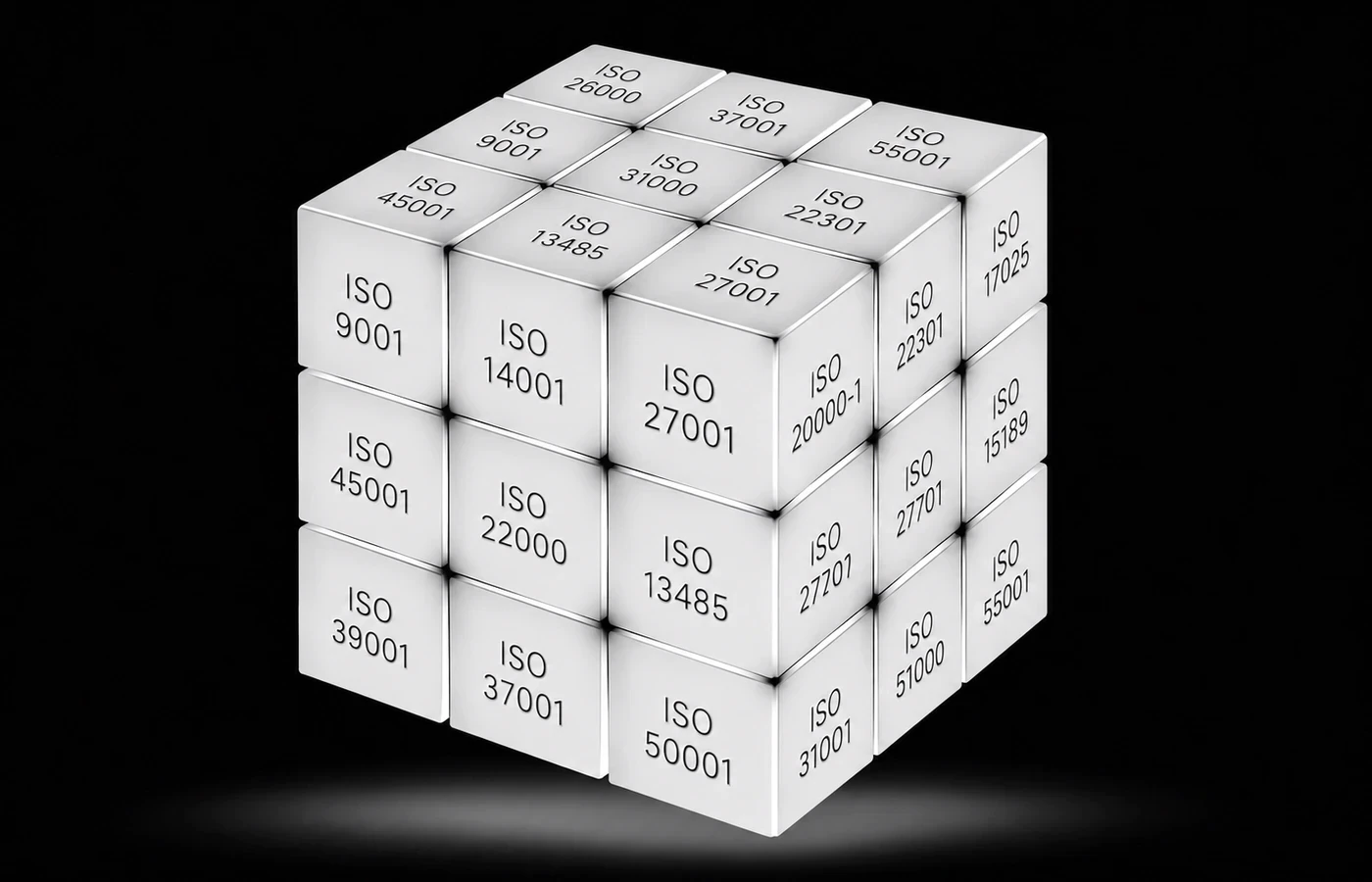
Many ISO management system standards have a compatible structure. This makes it possible to integrate the common requirements on the context of the organization, leadership, risks, objectives, documentation, internal audit, corrective actions and management review.
An integrated system reduces duplicate documents and helps the organization manage several sets of requirements more efficiently. Instead of separate procedures for quality, environment and OH&S, the requirements can be integrated into the organization's real processes.
The requirements of the standards are generic, but how they are applied depends on the industry. The evidence needed in an IT company differs from that in construction, the food industry, healthcare, logistics or energy. That is why implementation must be adapted to the real risks, processes and obligations of each sector.

Traceability, environment, seasonal processes, suppliers, machinery, sustainability and food safety.
Learn more →
Quality, traceability, suppliers, process control, complaints, corrective actions and contractual requirements.
Learn more →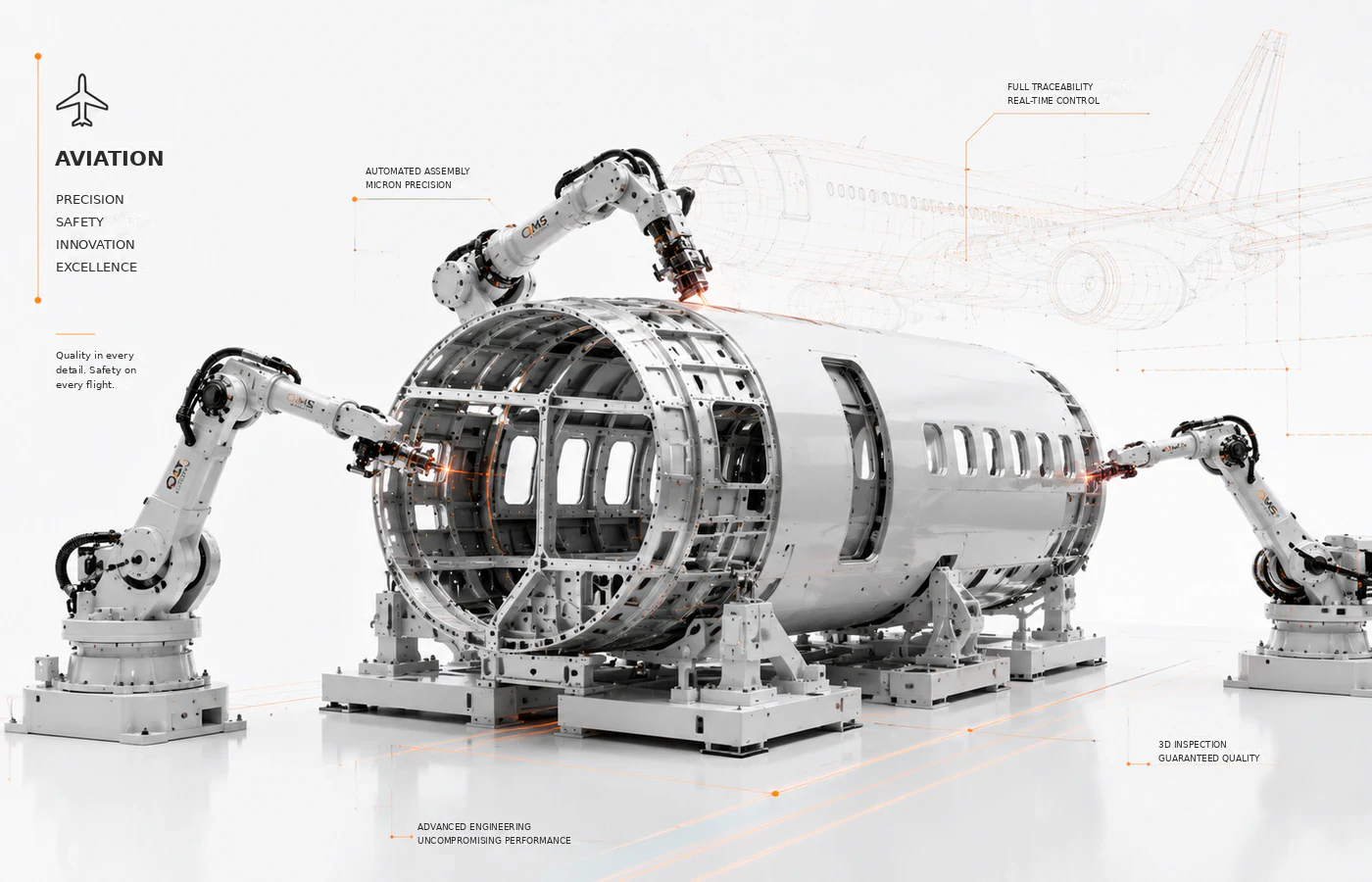
Critical processes, traceability, technical documentation, competences, suppliers and risk management.
Learn more →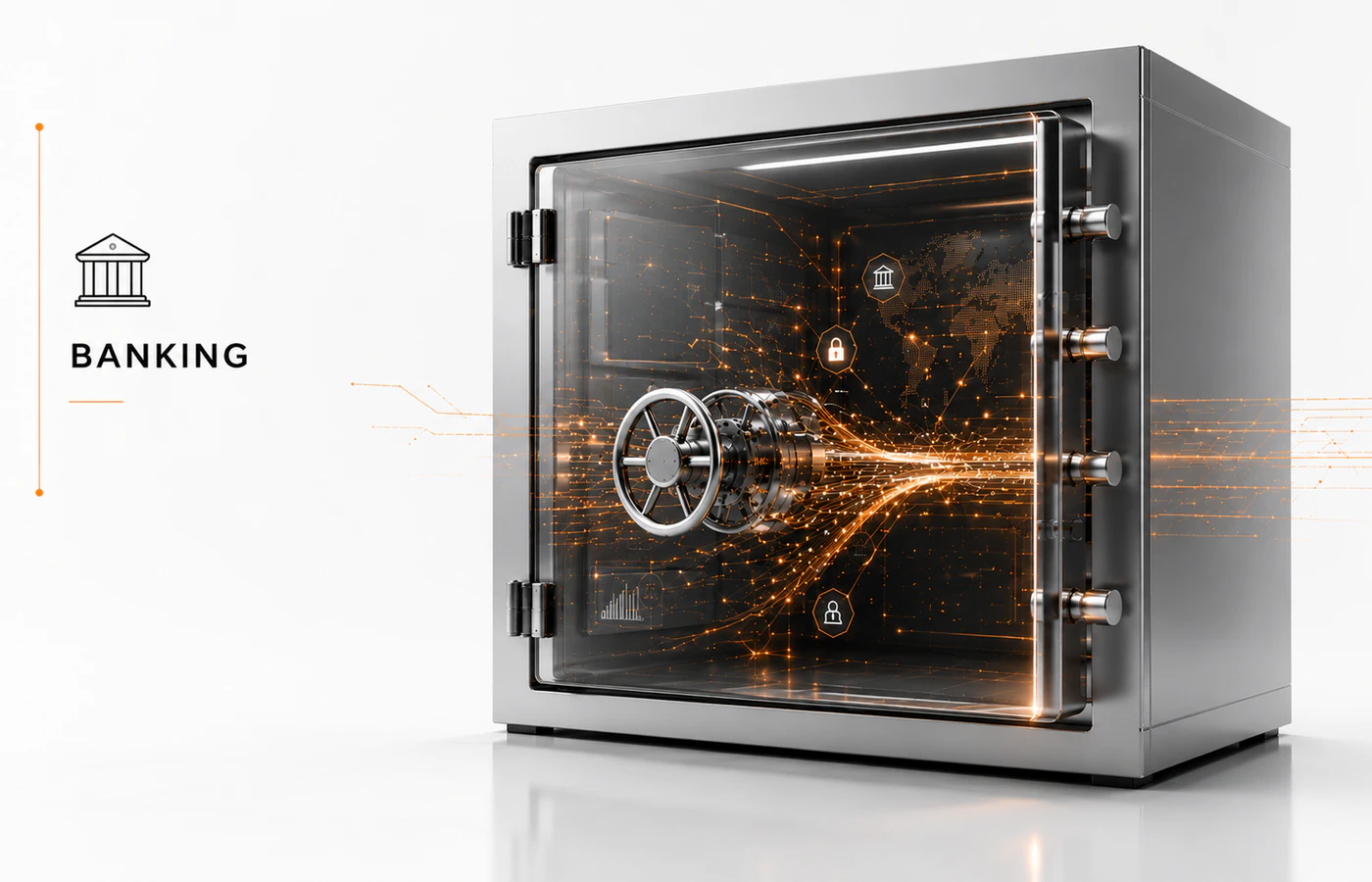
Information security, continuity, operational risk, critical suppliers and regulatory compliance.
Learn more →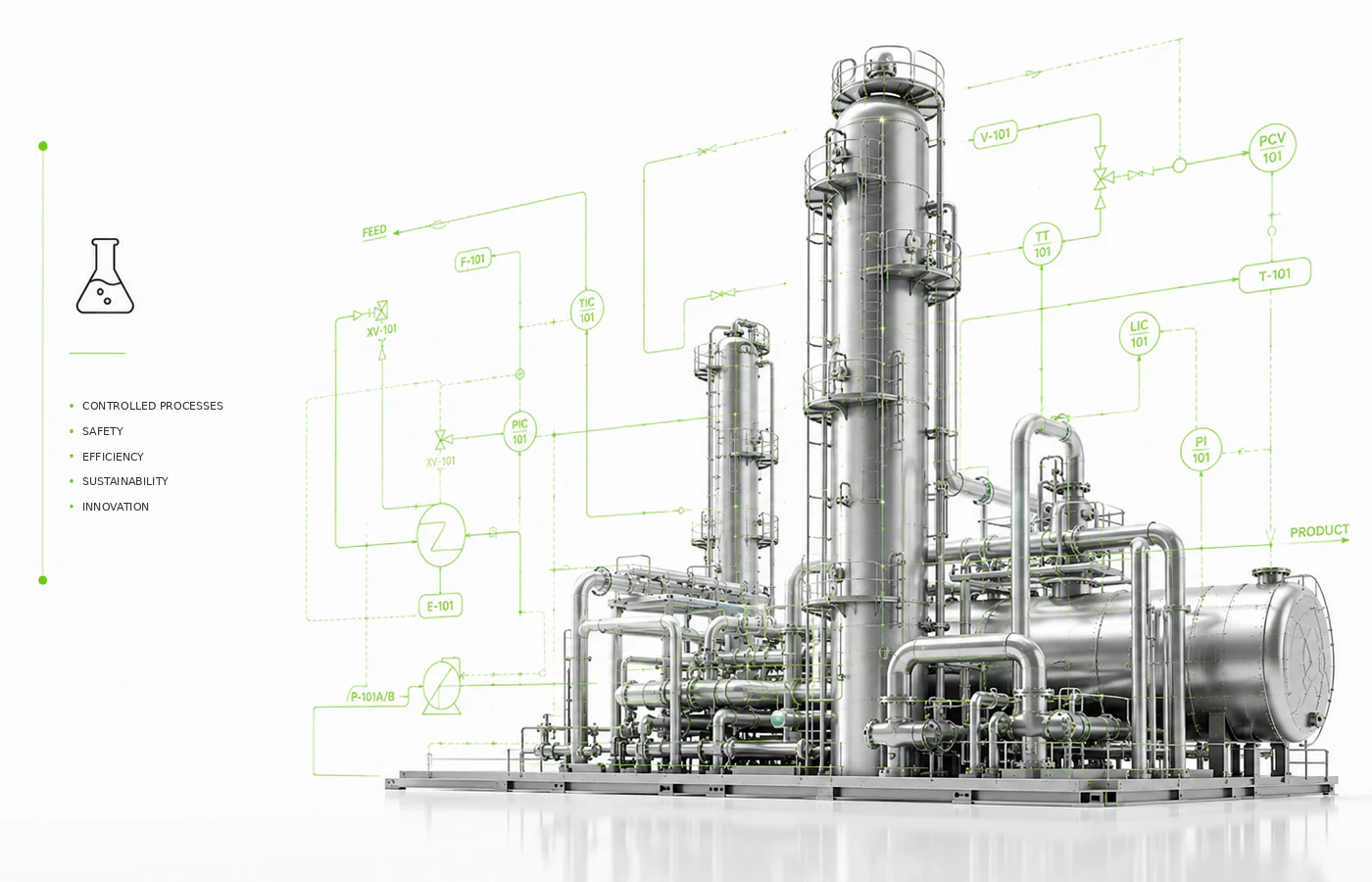
Environment, OH&S, substances, operational control, compliance requirements and high-risk processes.
Learn more →
Construction sites, subcontractors, technical documentation, acceptance, OH&S, environment and quality of works.
Learn more →
HACCP, PRPs, hygiene, traceability, suppliers, hazard control and food safety.
Learn more →
Security, IT services, SLAs, software development, incidents, continuity and digital suppliers.
Learn more →
Competence, methods, equipment, traceability, records and control of results.
Learn more →
Transport, warehousing, fleets, deliveries, suppliers, road safety and operational indicators.
Learn more →
Maritime operations, environment, safety, documentation, suppliers and high-risk processes.
Learn more →
Safety, traceability, documented control, complaints, risk and regulatory requirements.
Learn more →
Critical processes, OH&S, environment, energy, operational integrity, suppliers and compliance.
Learn more →
Service quality, customer experience, hygiene, safety, suppliers and operational control.
Learn more →
Energy performance, environment, OH&S, maintenance, risks, indicators and compliance obligations.
Learn more →Implementing an ISO standard must be a controlled project, with clear stages, responsibilities, deliverables and checks. The aim is not to produce documents, but to build a system that can be used and sustained at the audit.
We assess the current situation against the requirements of the standard and identify the gaps.
We set the actions, priorities, deadlines, owners and deliverables.
We build documents and controls adapted to the real activity.
We prepare the team to apply the requirements and handle the audit.
We check the conformity and effectiveness of the system before certification.
We prepare the organization for the audit and for maintaining the system after certification.
QMS Consulting can support the organization at every stage: choosing the standard, implementation, internal audit, training, certification preparation, supplier audits and maintaining the system.
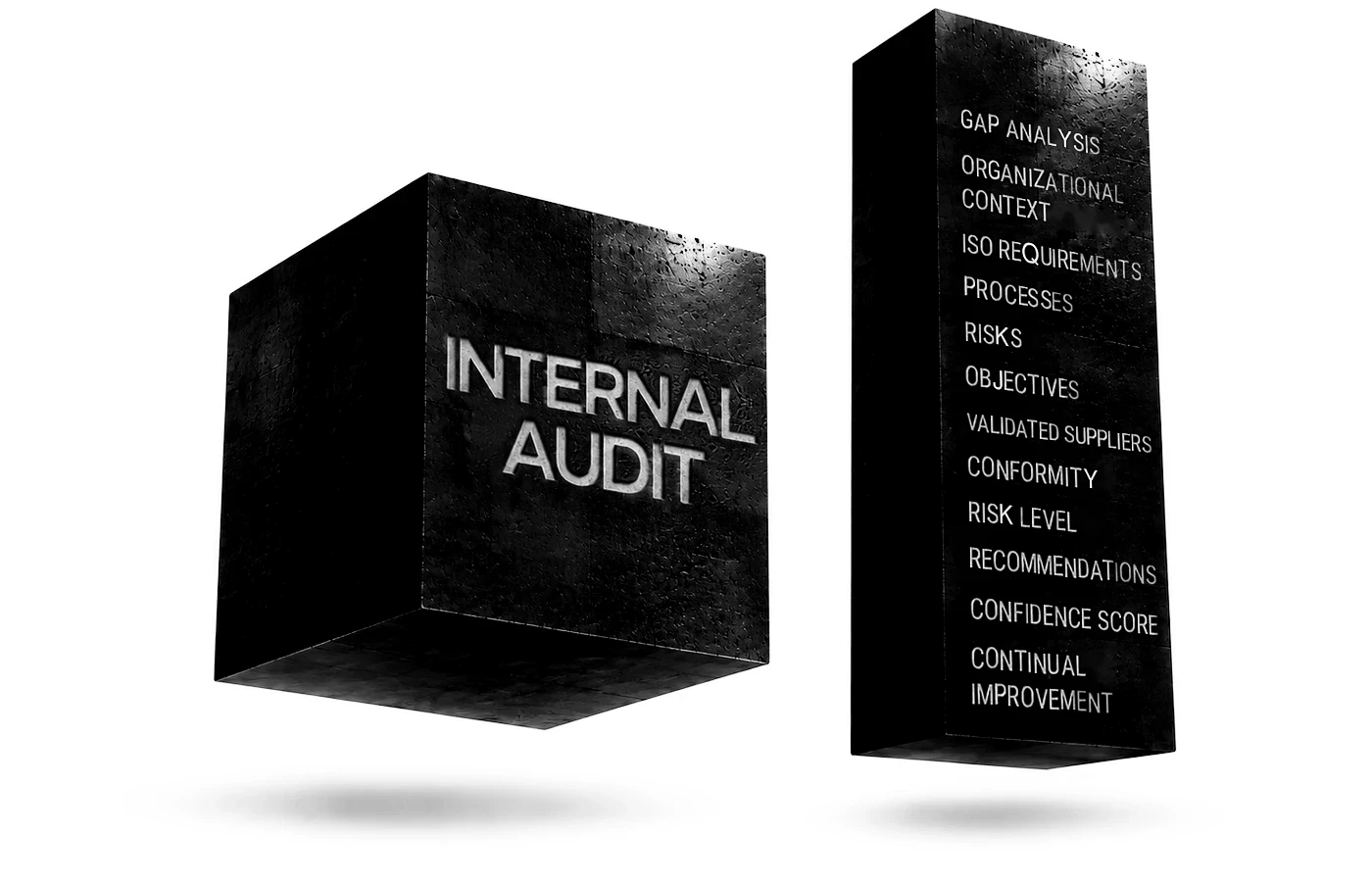
Independent internal audit to verify conformity, system effectiveness and corrective actions.
Learn more →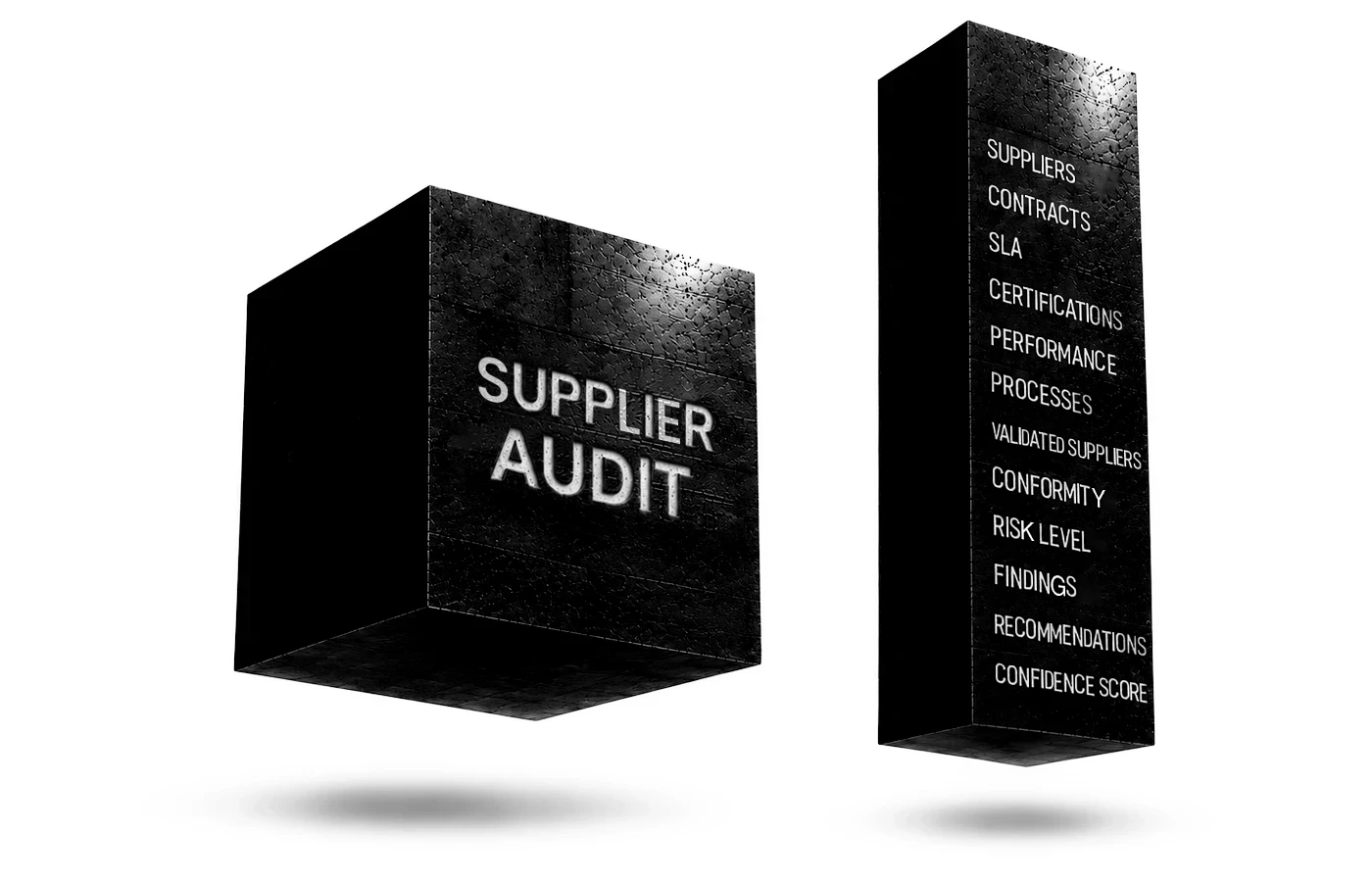
Evaluating critical suppliers, subcontractors and partners against contractual or ISO requirements.
Learn more →
Implementing ISO management systems, GAP analysis, processes, documentation, training and audit preparation.
Learn more →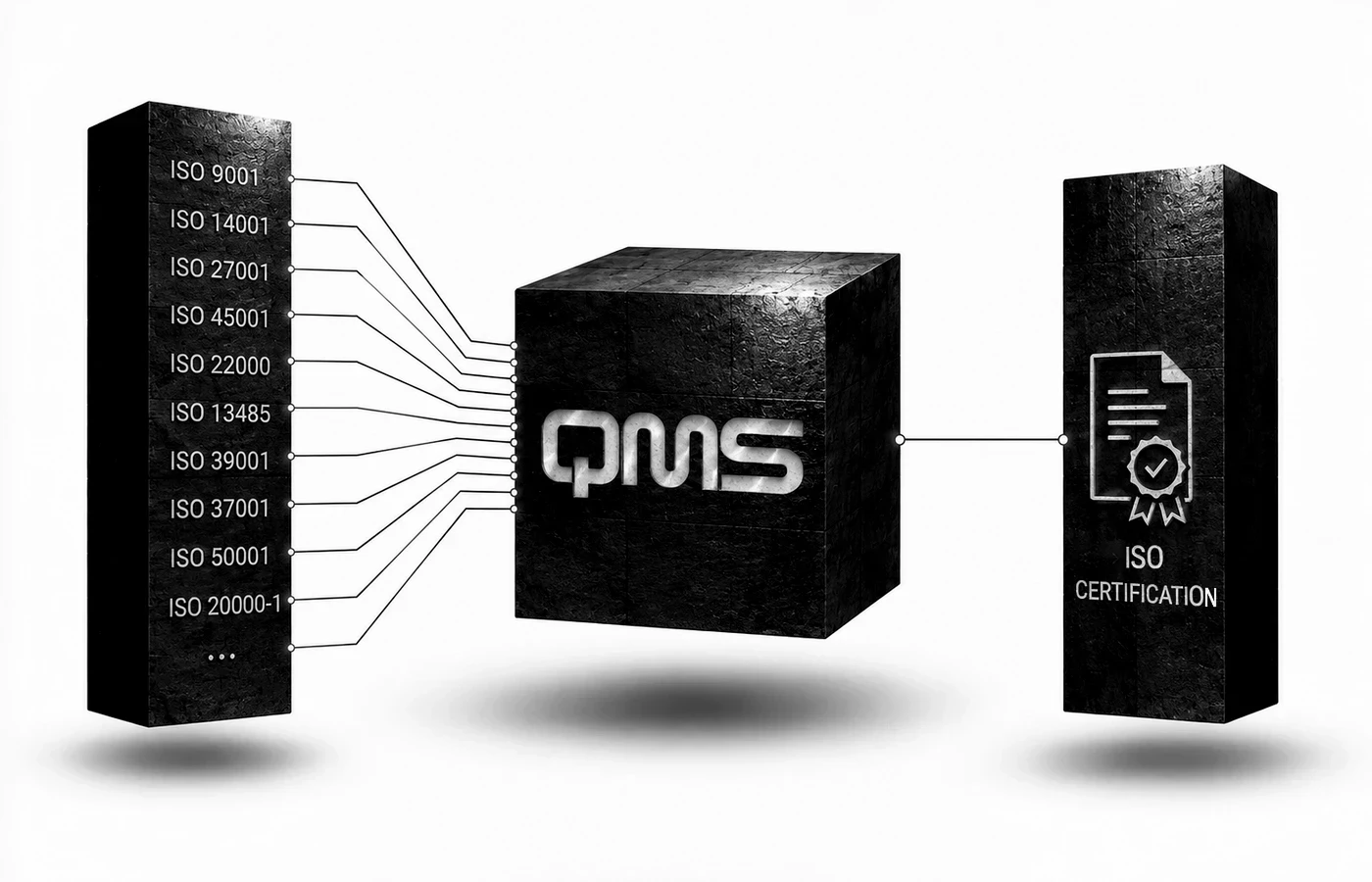
Checking evidence, handling nonconformities and preparing the team for the certification body's audit.
Learn more →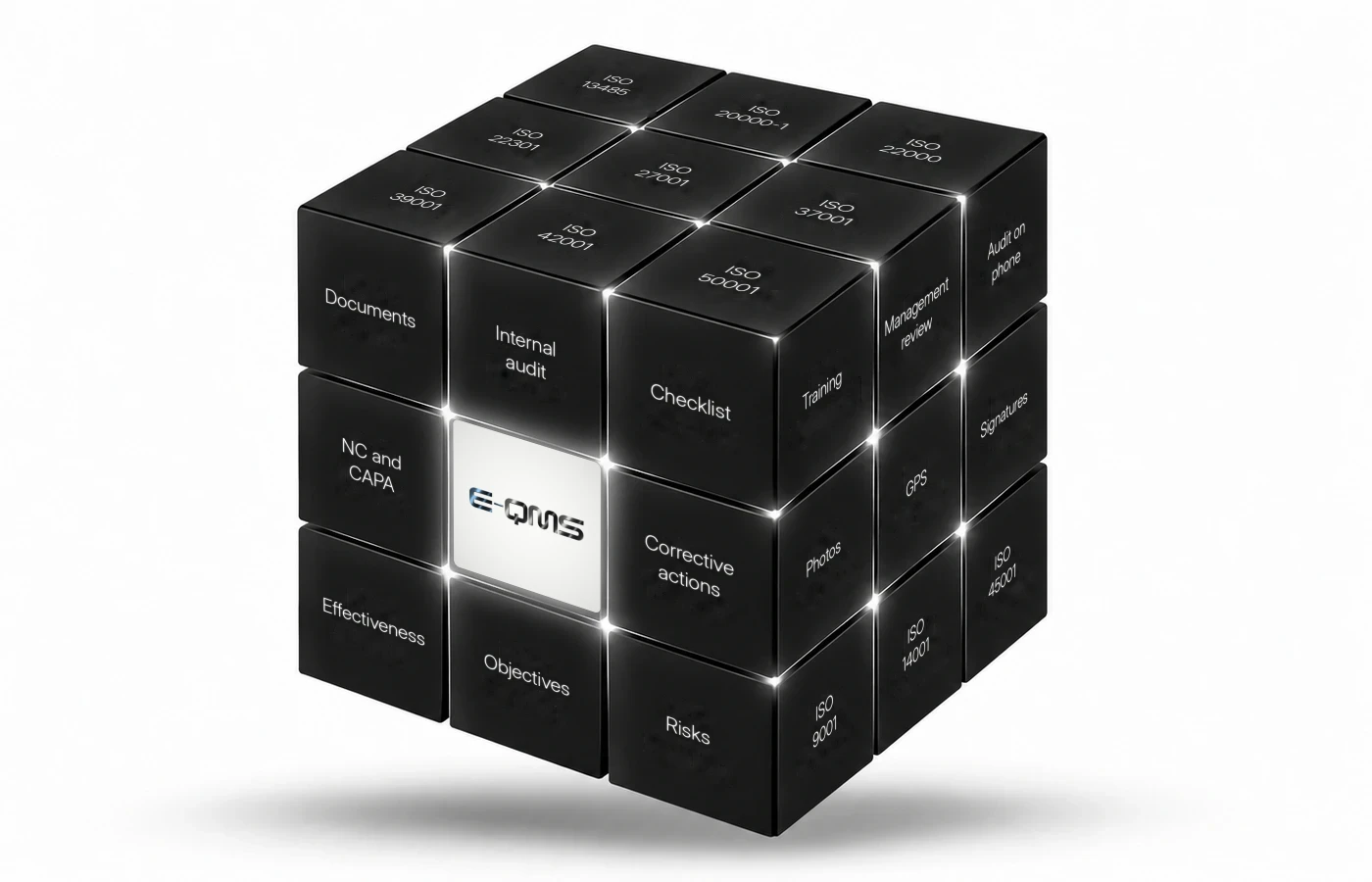
Documents, internal audit, nonconformities, corrective actions and management review, with alerts and reports generated automatically.
Learn more →
Training in planning, conducting and reporting ISO internal audits.
Learn more →
Advanced training for coordinating audits, audit teams and executive reporting.
Learn more →Useful answers for organizations that want to choose, implement or certify an ISO standard.
ISO standards are international documents that describe requirements, principles or good practices for management systems, processes, products, services and specific fields.
ISO 9001:2026 is one of the best-known standards and is used for the quality management system.
No. ISO certificates are issued by independent certification bodies. QMS Consulting provides consulting, internal audit, training and certification preparation.
The standard is chosen according to the goal: quality, environment, information security, OH&S, food safety, energy, medical devices, IT services or anti-bribery compliance.
Yes. Many organizations implement integrated systems, for example ISO 9001:2026, ISO 14001:2026 and ISO 45001:2018 in a common system.
It is a system that combines the requirements of several ISO standards in a common structure of processes, documents, internal audit, corrective actions and management review.
The duration depends on the standard, the size of the organization, process maturity, the number of sites, existing documentation and the desired certification date.
The GAP analysis compares the organization's current situation with the requirements of the ISO standard and identifies the gaps that must be addressed.
ISO 9001:2026 is the main standard for quality management.
ISO/IEC 27001 is the main standard for the information security management system.
ISO 14001:2026 is the main standard for the environmental management system.
ISO 45001:2018 is the standard for occupational health and safety.
ISO 22000:2018 is the standard for the food safety management system.
ISO 50001:2018 is the standard for the energy management system.
ISO/IEC 20000-1 is the standard for IT service management.
In general, ISO certification is voluntary, but it may become a contractual requirement, a customer requirement, a tender requirement or a condition for access to certain supply chains.
The documents depend on the standard and the organization, but may include policies, procedures, registers, risk assessments, objectives, audit reports, corrective actions and the management review.
The internal audit checks whether the management system is conforming, implemented and effective.
Training helps teams understand the requirements, responsibilities, evidence and how to handle the audit.
The system must be maintained through monitoring, internal audits, management review, corrective actions and continual improvement.
Send us a few details about your organization, the target standard and the goal of the project. We can guide you through the right steps: consulting, internal audit, training or certification preparation.
Phone: +40 722 773 446
Email: contact@qms.ro
Address: 12 Petru Rareș Street, Bucharest
Send an emailChoose whether to allow visitor statistics. You can change your choice at any time from the site footer.