Standard
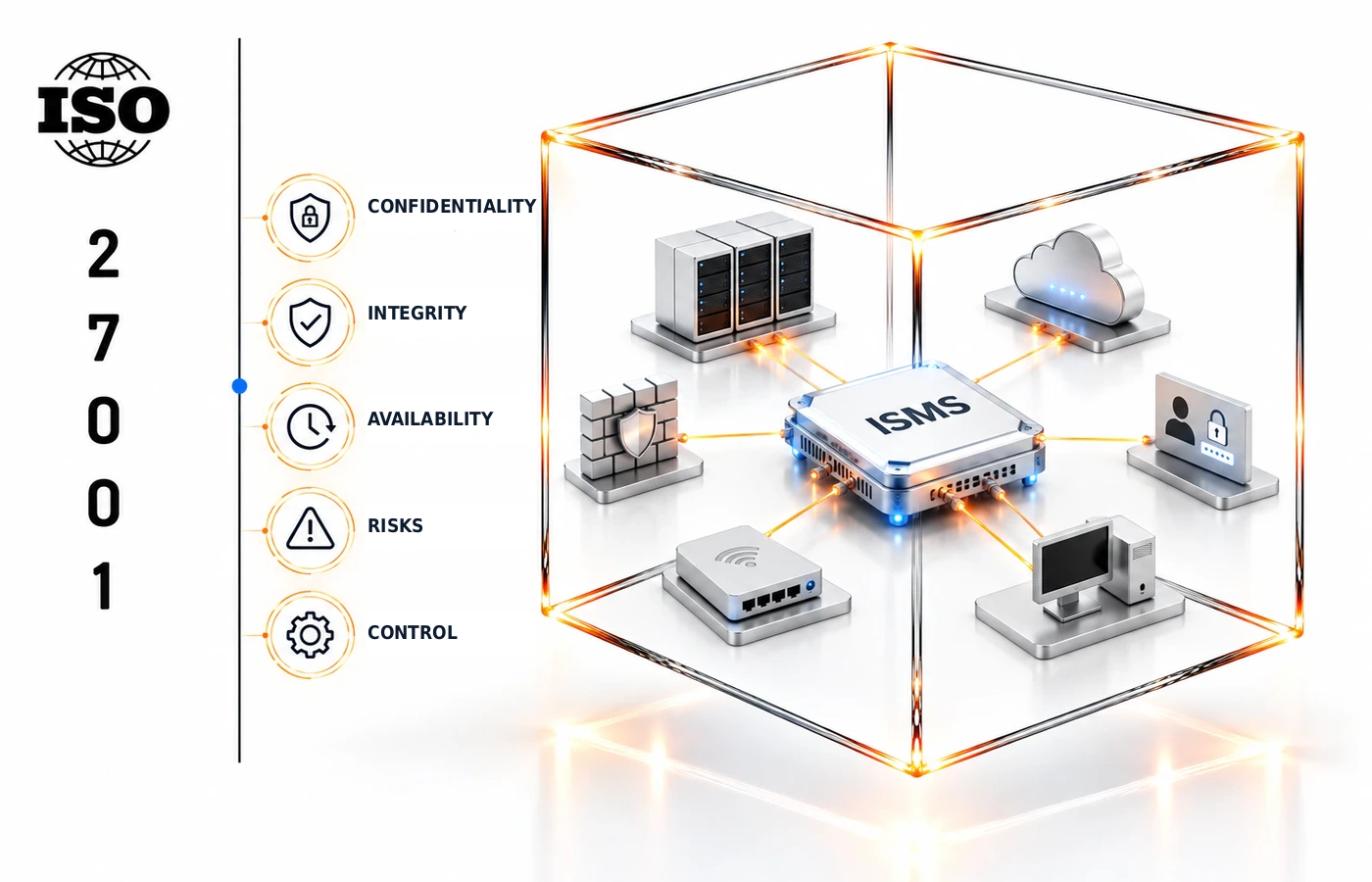
ISO 27001:2022
Information security, including during disruptions, and ICT readiness for business continuity.
Learn more →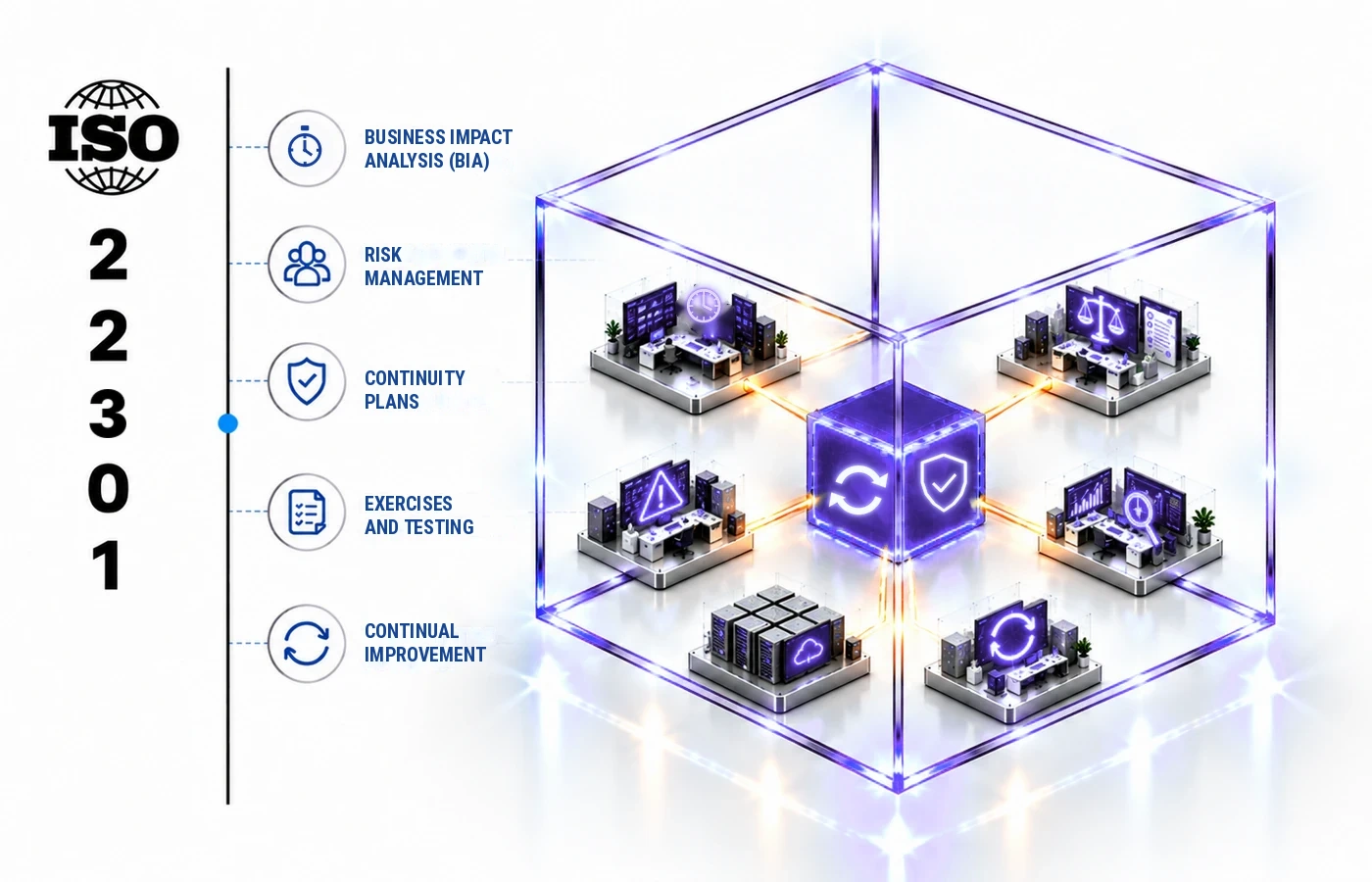
ISO 22301 implementation, business impact analysis (BIA), continuity strategies and plans, exercises, internal audit and certification preparation.
ISO 22301:2019 is the international standard for business continuity management systems (BCMS). It helps organizations prepare for disruptions, respond when they occur and resume their critical activities within a timeframe acceptable to customers, authorities and partners.
Official title of the standard: ISO 22301:2019 — Security and resilience — Business continuity management systems — Requirements.
QMS Consulting provides ISO 22301 consulting for organizations that want to know exactly which activities are critical, how long they can be interrupted and how they recover. The aim is not a continuity plan kept in a folder, but a tested ability to operate during a crisis.
ISO 22301:2019 is the edition in force, supplemented by amendment ISO 22301:2019/Amd 1:2024, which requires organizations to consider whether climate change is relevant to their context. A new edition of the standard is being developed at ISO; once it is published, certified organizations will have a transition period.
Continuity requirements appear more and more often in regulations. The DORA Regulation (EU) 2022/2554, for financial entities, and the NIS2 Directive, for essential and important entities, require tested continuity and recovery plans. ISO 22301 provides the framework through which these requirements can be organized and demonstrated.
ISO 22301:2019 does not require the organization to be prepared for every scenario. The standard requires the organization to know its prioritized activities, the maximum tolerable periods of disruption and the resources it depends on, and then to choose continuity solutions proportionate to this impact.
The business impact analysis (BIA) is the foundation of the system. The recovery time objectives (RTO), the maximum acceptable data loss (RPO) and the minimum resources set here determine which continuity solutions are worth the investment. A plan that has not been exercised cannot be considered functional.
ISO 22301:2019 implementation starts from the activities that matter most to customers and to the organization. Each stage produces a verifiable result: an approved BIA, a continuity strategy or a plan tested in an exercise.
We compare existing plans, emergency procedures and backup practices with the requirements of the standard and set priorities.
We set the products, services, sites and activities included, the interested parties and the legal or contractual requirements on continuity.
We identify the prioritized activities, the impact of disruption over time, the recovery objectives (RTO, RPO) and the resources they depend on.
We analyze the threats that could stop prioritized activities: IT failures, cyber attacks, unavailability of suppliers, staff or premises.
We choose the right solutions: alternative sites, remote working, IT redundancy, backup suppliers, minimum stocks or mutual support agreements.
We develop the response and recovery plans, the incident management structure and communication, and then test them through exercises.
We carry out the internal audit, support the management review and prepare the evidence and the team for the certification audit.
ISO 22301 certification is obtained through an audit carried out by an independent certification body chosen by the organization. Consulting does not replace the audit: it prepares the system and the team for it.
The organization selects a certification body with valid accreditation for this standard, where accreditation exists, and agrees the audit dates with it.
The body reviews the documentation, the scope of the system and the organization’s readiness for stage 2. Points to fix before continuing may be raised.
The body verifies on site that the system is implemented and effective, through interviews, observation and evidence. Nonconformities found are closed through corrective actions.
After nonconformities are closed, the body takes the certification decision and issues the certificate. The system is then checked through surveillance and recertification audits, according to the body’s rules.
At every stage, a consultant dedicated to the project and consultants experienced in certification audits prepare the evidence, the team and the responses to nonconformities. The certificate is issued only by the certification body. See ISO certification preparation.
Critical activities are resumed within defined and tested timeframes, not improvised during the crisis.
The organization can demonstrate that it delivers its services even under disruption.
The continuity and recovery requirements in regulations are documented in a system that can be audited.
The suppliers, IT systems and key people that activities depend on are identified and covered.
Roles, escalation thresholds and communication channels are set before the incident.
Business continuity is increasingly required by corporate customers and in critical supply chains.
ISO 22301:2019 is relevant for organizations whose disruption directly affects customers or society: banks and financial institutions, IT and cloud providers, energy and utilities, logistics, healthcare and manufacturing with critical supply chains.
ISO 22301:2019 is frequently integrated with ISO/IEC 27001, because information security continuity and IT systems recovery are common requirements, and with ISO/IEC 20000-1 for critical IT services.
Information security, including during disruptions, and ICT readiness for business continuity.
Learn more →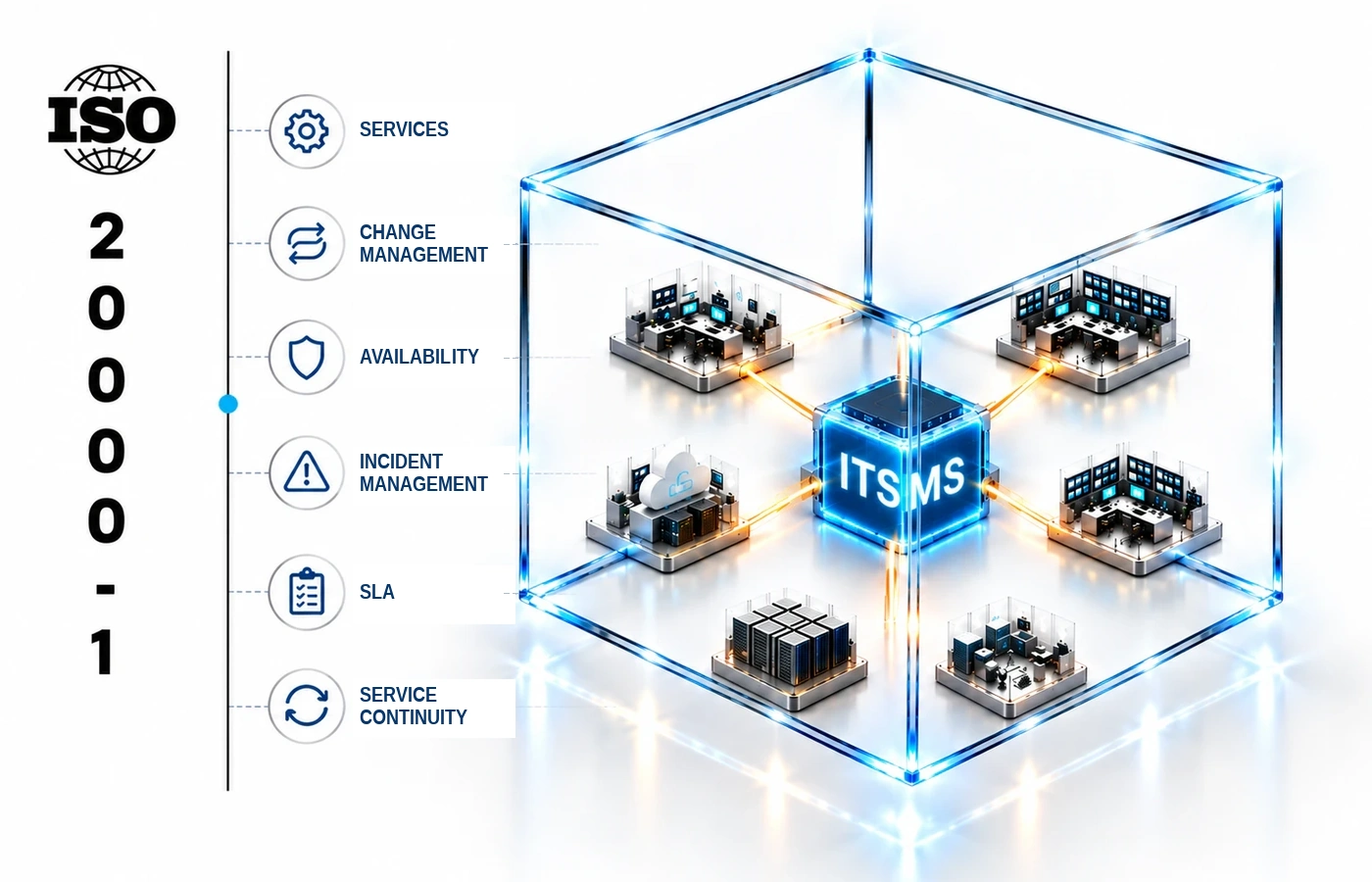
IT service management, availability, capacity and continuity of the services delivered to customers.
Learn more →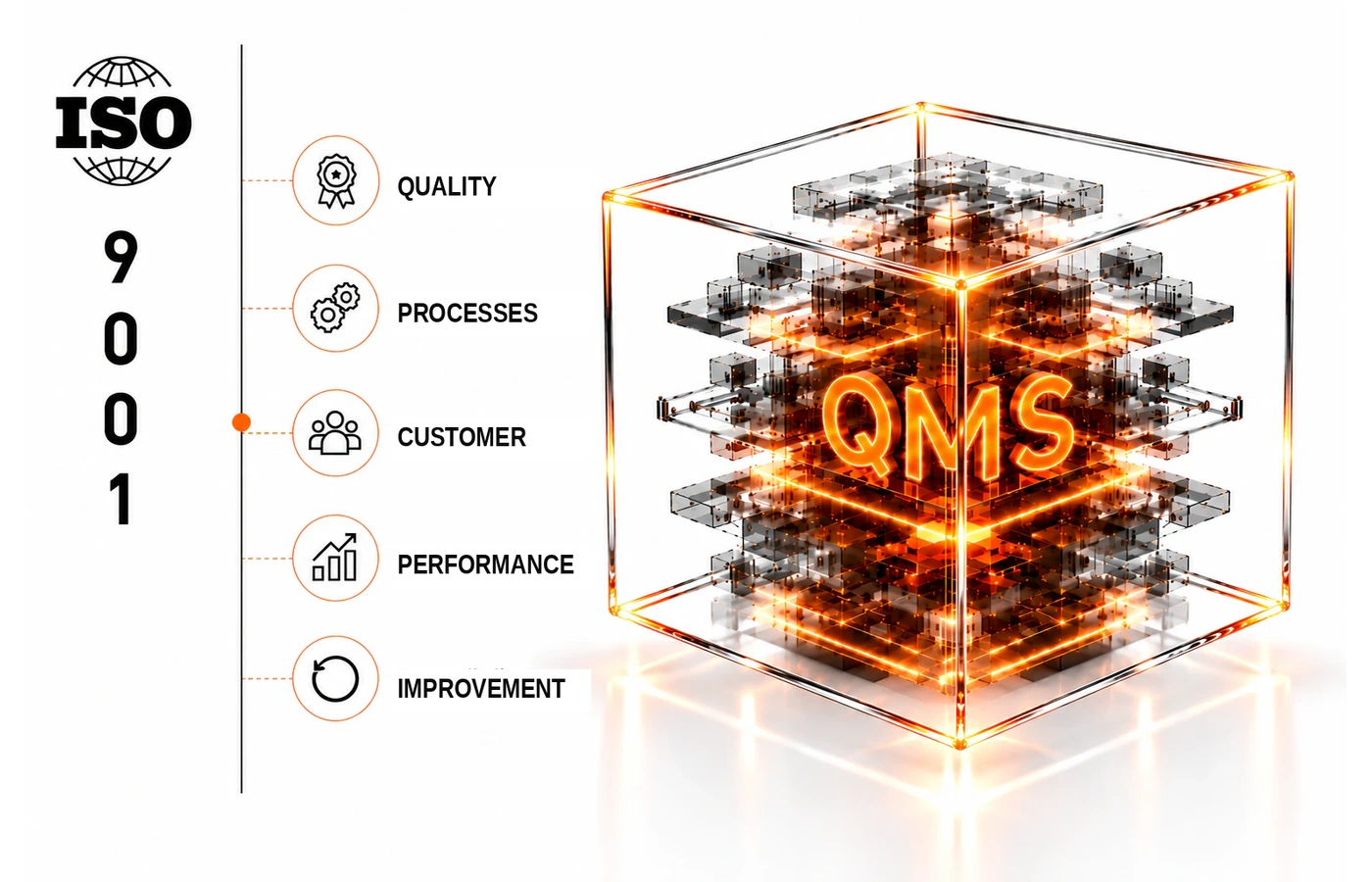
Quality management, including the contingency actions agreed with customers.
Learn more →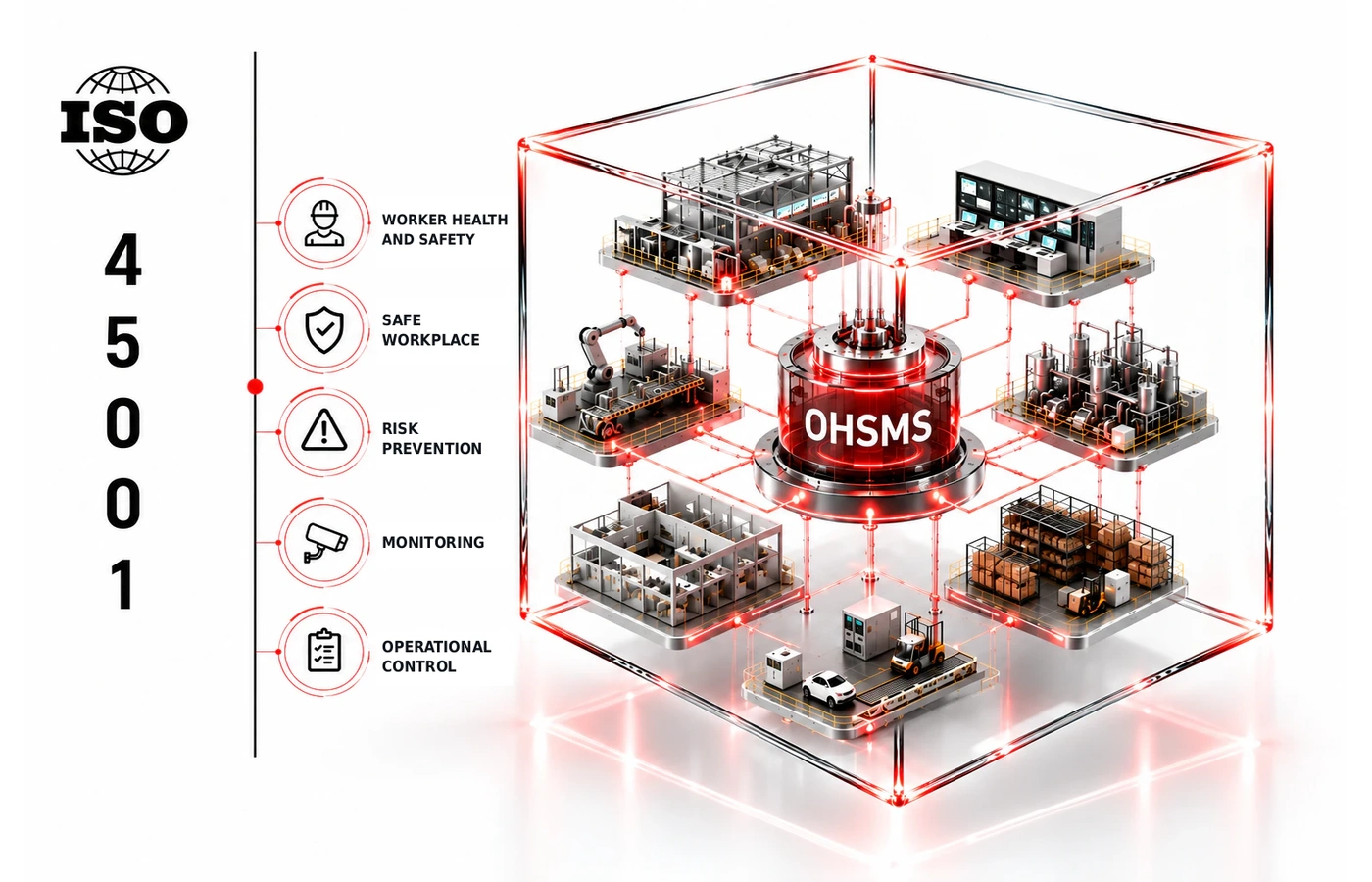
Emergency preparedness and the protection of people during incidents.
Learn more →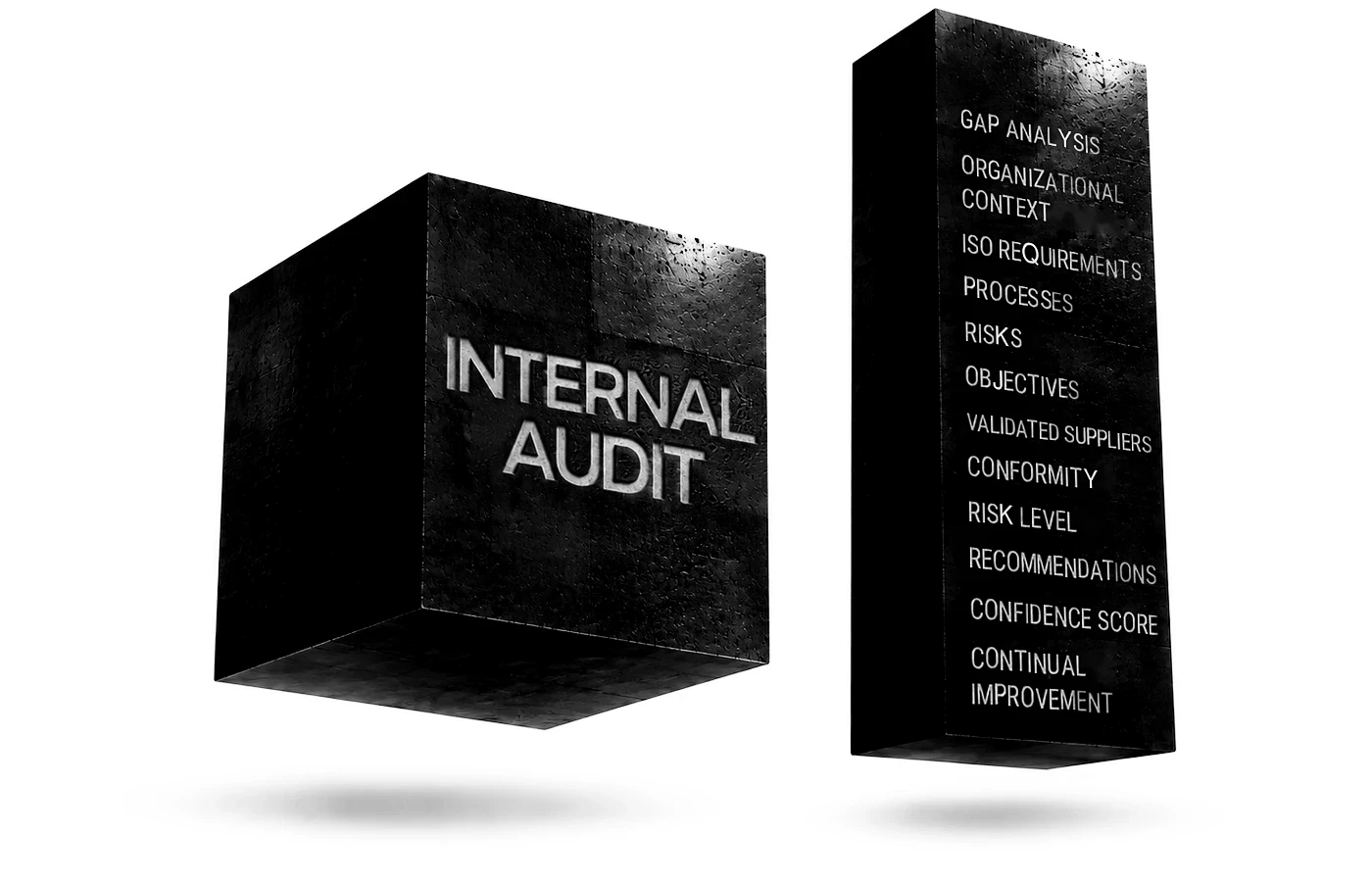
Checking the conformity and effectiveness of the system before certification, surveillance or recertification.
Learn more →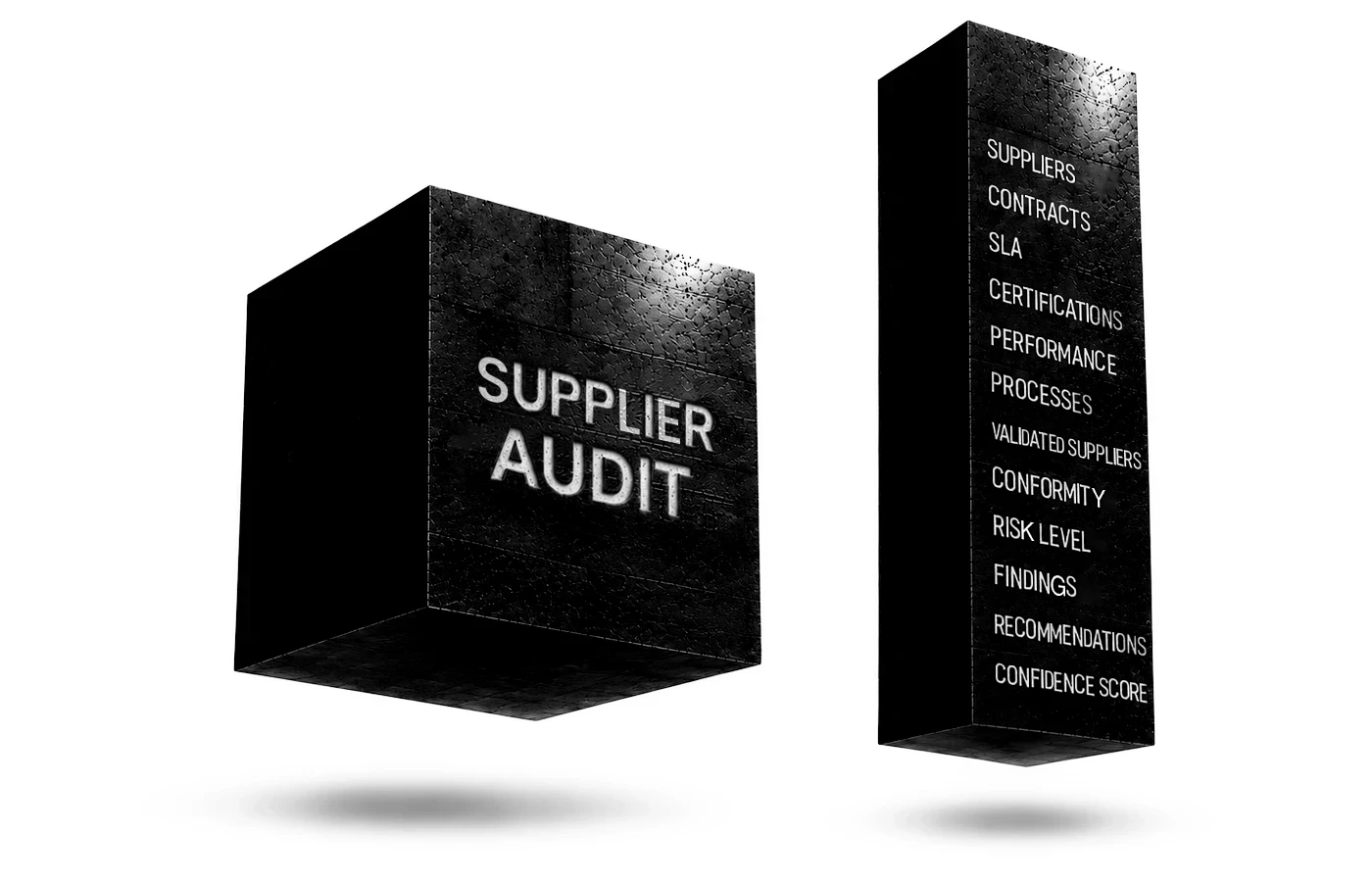
Evaluating suppliers, subcontractors and outsourced processes against the relevant requirements.
Learn more →
GAP analysis, implementation plan, documentation, training, operational support and audit preparation.
Learn more →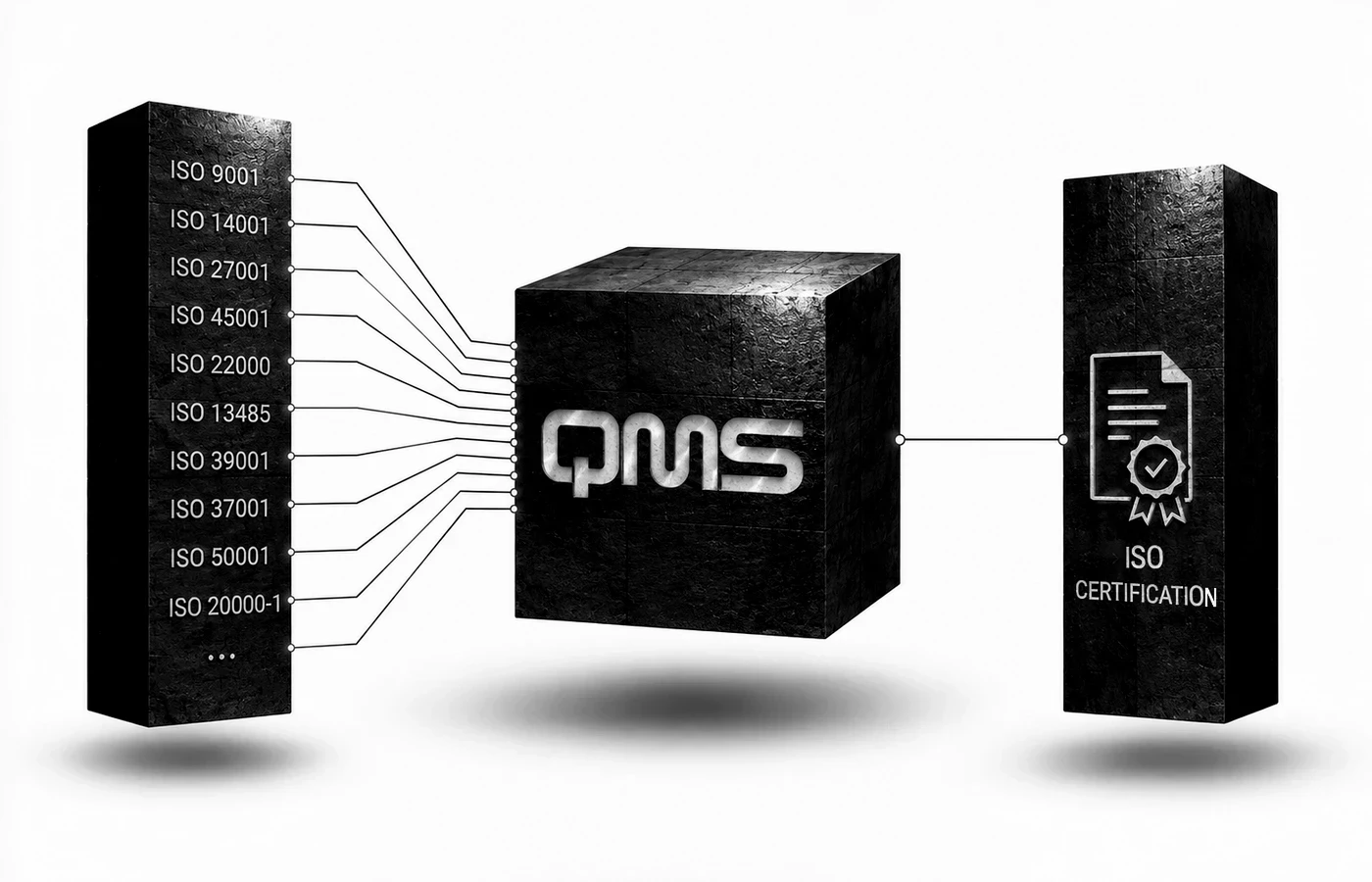
Reviewing evidence and corrective actions, and preparing the team for the certification body's audit.
Learn more →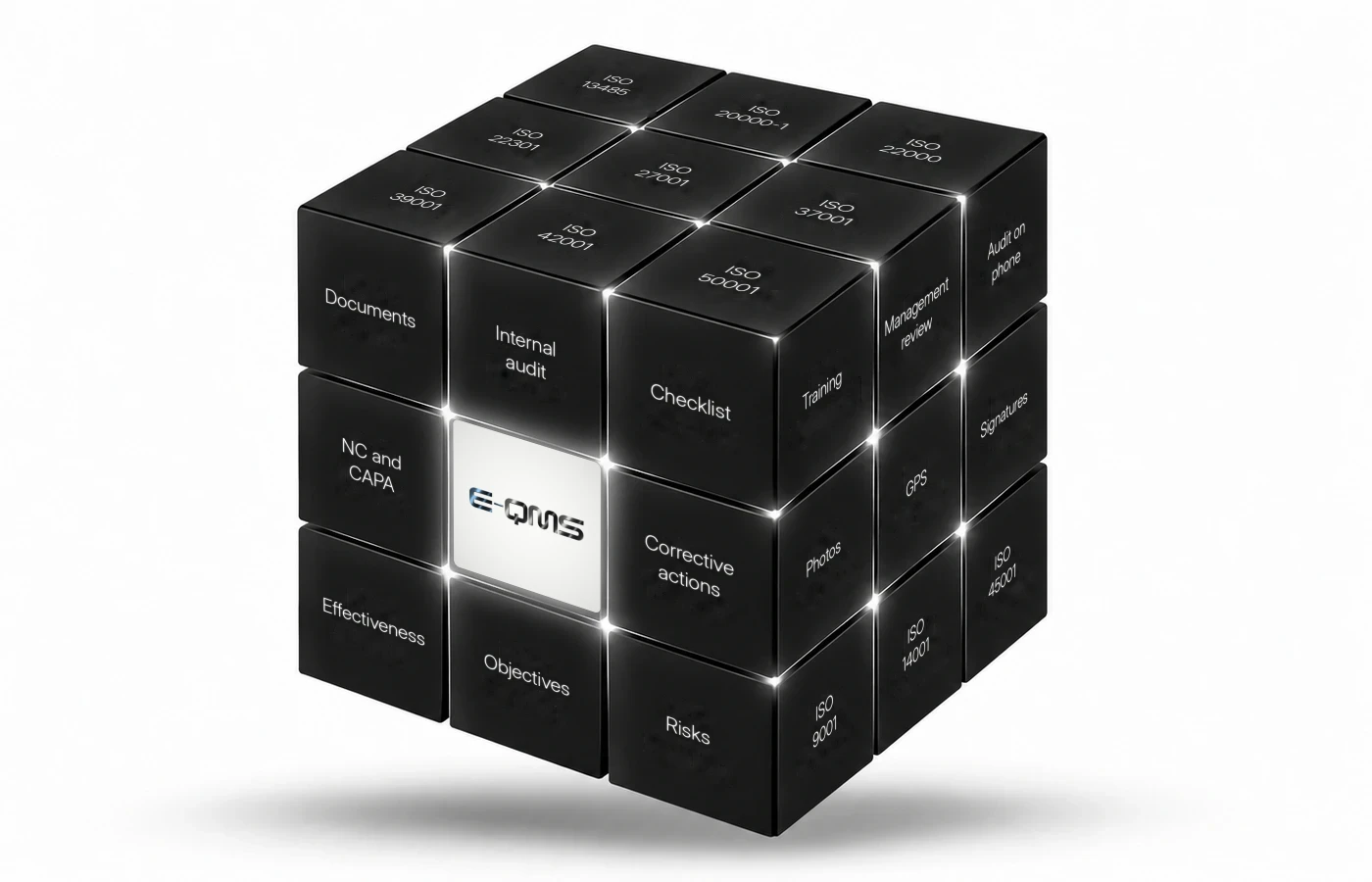
Documents, internal audit, nonconformities, corrective actions and management review, with alerts and reports generated automatically.
Learn more →
Developing internal competences for auditing management systems.
Learn more →
Advanced preparation for auditing management systems and coordinating audits.
Learn more →It is the international standard for business continuity management systems. It sets the requirements through which an organization prepares for disruptions, responds to them and resumes its prioritized activities.
The plan describes what is done during an incident. The ISO 22301 system ensures that plans are based on an impact analysis, are tested, are updated after changes and are checked through the internal audit and the management review.
It is the assessment of the effects over time of disrupting each activity. The BIA determines the prioritized activities, the recovery time objectives (RTO), the maximum acceptable data loss (RPO) and the minimum resources needed.
Not in itself. However, regulations such as DORA or NIS2 require continuity and recovery measures, and many customers require them by contract. ISO 22301 is a recognized way to organize and demonstrate them.
ISO 27001 includes controls for information security during disruptions and for ICT readiness for business continuity. ISO 22301 covers the continuity of the entire business, not just the IT systems. The two integrate easily.
The standard requires a programme of exercises at planned intervals and after significant changes. In practice, plans for critical activities are exercised at least once a year, through tabletop exercises, simulations or technical recovery tests.
An independent certification body. QMS Consulting provides consulting, internal audit, training and preparation for the certification audit.
It depends on the number of activities and sites included, IT and supplier dependencies and existing plans. The GAP analysis makes it possible to set a realistic timeline.
The continuity policy, the scope of the system, the BIA and risk assessment, the continuity strategies and plans, the exercise programme and reports, the internal audit and the management review.
The system is maintained through periodic exercises, updating the BIA and plans after changes, internal audits, corrective actions and surveillance audits.
Duration depends on the certification body, the size of the organization and the time needed to close any nonconformities. The stage 1 and stage 2 audits are scheduled together with the chosen body.
Choose a body with valid accreditation for the standard and your field of activity, where accreditation exists, and compare offers and audit conditions. The consultant does not certify and does not influence the body’s decision.
If your organization is aiming for ISO 22301:2019 certification, the services below turn the requirements of the standard into a working system: GAP analysis, useful documentation, training, internal audit and preparation for the certification body's audit.
We check whether the plans are current and exercised and whether the BIA reflects the real activity, and we prioritize corrective actions.
ISO internal audit →We build the system on prioritized activities, impact analysis, disruption risks and tested continuity plans.
ISO consulting →We prepare the team, the documents and the exercise evidence for the certification audit.
ISO certification preparation →Documents, internal audit, nonconformities, corrective actions and management review, with alerts and reports generated automatically.
Learn more →Services are available for organizations in Romania and the Republic of Moldova, including online work where the nature of the processes allows it.
Send us a few details about your organization, your critical activities and the goal of the project. We can guide you through the right steps for ISO 22301:2019 implementation, internal audit or certification preparation.
Phone: +40 722 773 446
Email: contact@qms.ro
Address: 12 Petru Rareș Street, Bucharest
Send an emailChoose whether to allow visitor statistics. You can change your choice at any time from the site footer.