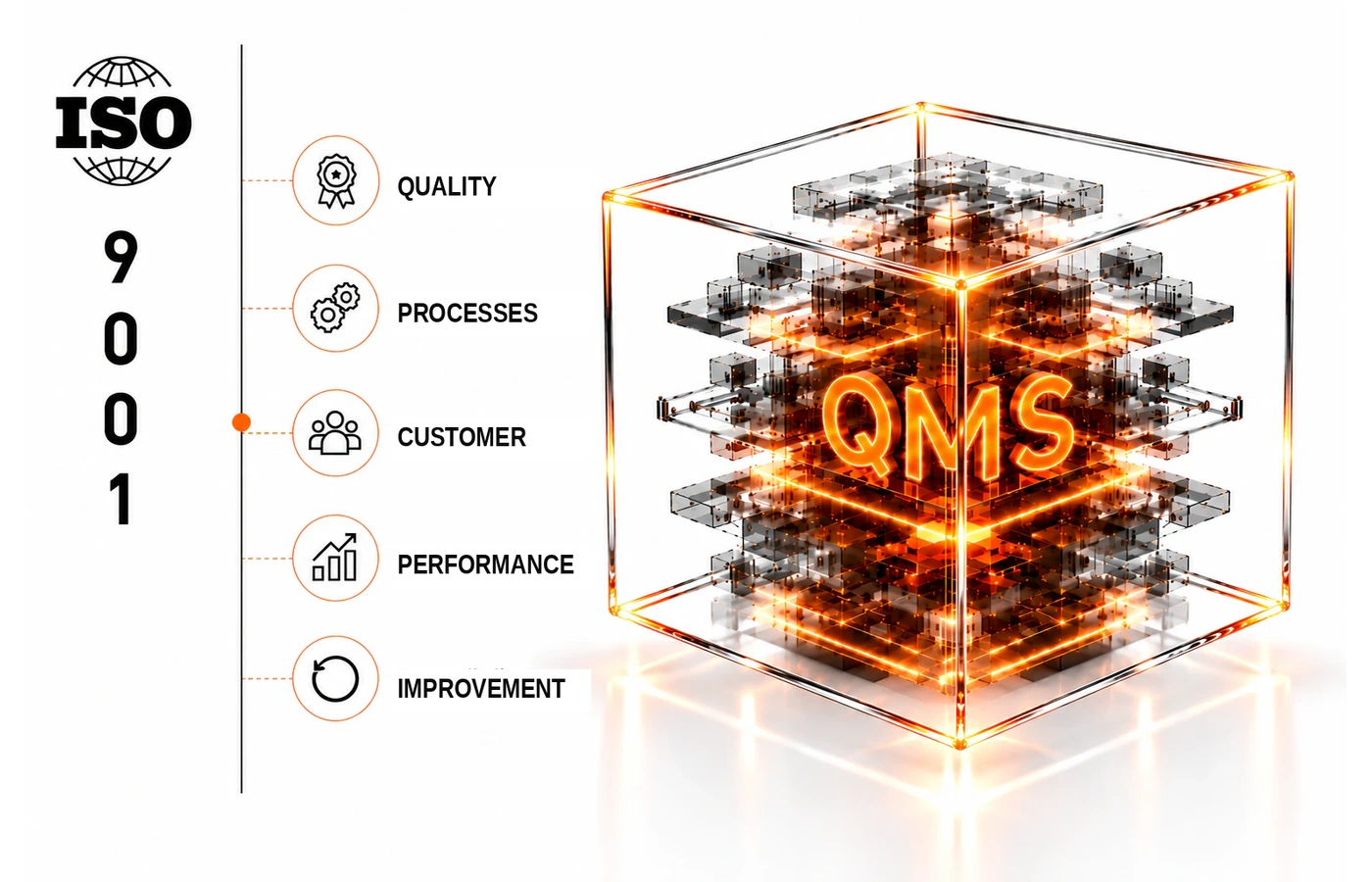
Standard
ISO 9001:2026
Quality management for processes, responsibilities, indicators, customers and continual improvement.
Learn more →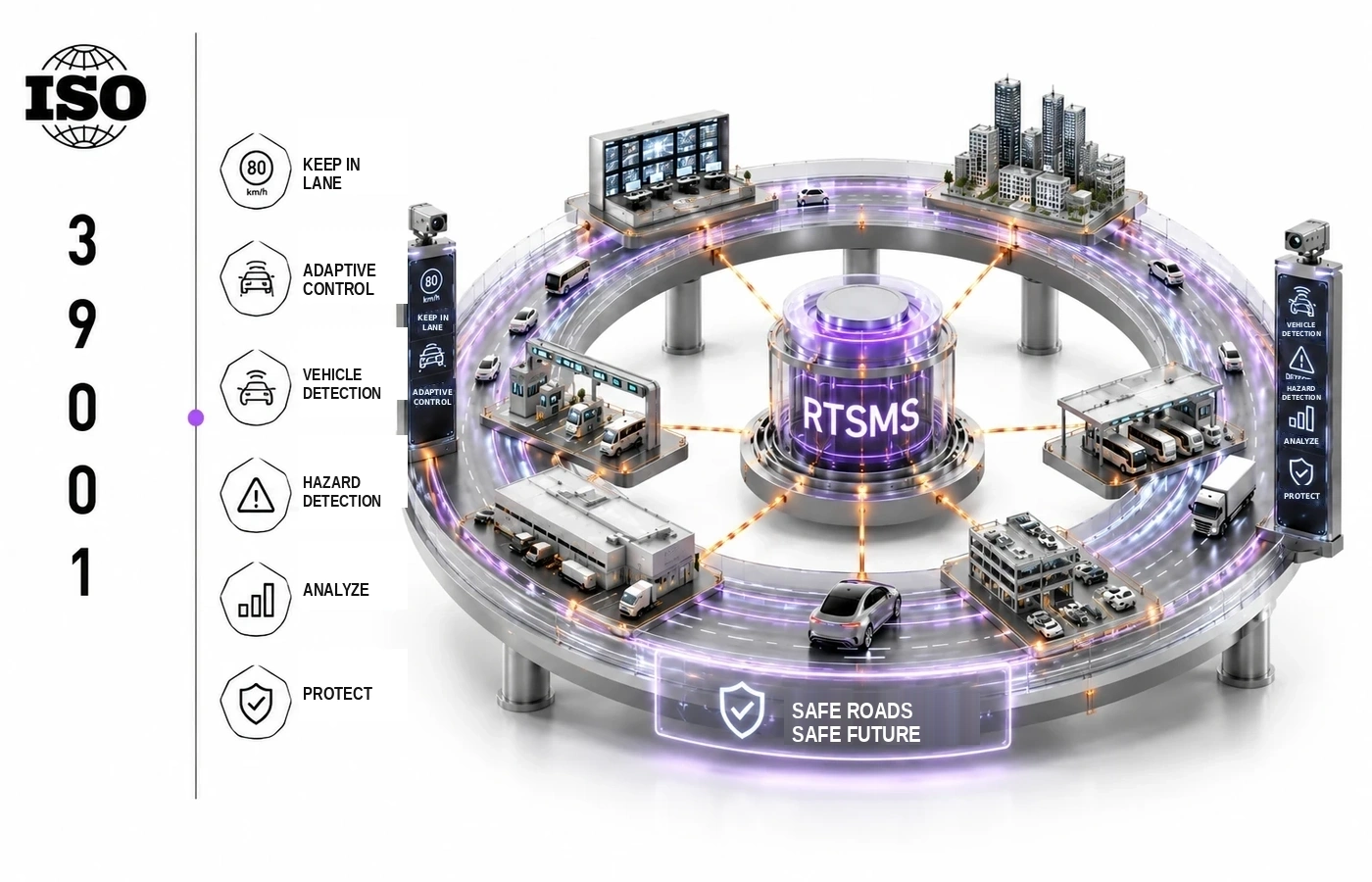
ISO 39001:2012 implementation, road safety, fleets, transport, logistics, traffic risks, RTS indicators, internal audit and certification preparation.
ISO 39001:2012 is the international standard for road traffic safety management systems. It helps organizations that interact with the road traffic system to reduce deaths, serious injuries, accidents and the operational impact associated with transport and travel.
Official title of the standard: ISO 39001:2012 — Road traffic safety (RTS) management systems — Requirements with guidance for use.
QMS Consulting provides ISO 39001:2012 consulting for organizations that want a clear, applicable and auditable system. The aim is not just to obtain the certificate, but to build a system that supports process control, compliance and continual improvement.
ISO 39001:2012 is the reference standard for road traffic safety management systems. It is relevant for organizations with fleets, transport, logistics, deliveries, mobile work sites, travelling staff and activities that can affect traffic safety.
ISO 39001:2012 requires the organization to understand its role in the road traffic system and to reduce the deaths and serious injuries it can influence. The requirements apply in proportion to the fleet, the distances travelled and the exposure to risk.
RTS performance factors, such as exposure, speed, fatigue or vehicle condition, must be chosen based on real fleet data. Indicators and controls are only useful if they can be tracked periodically and explained at the audit.
ISO 39001:2012 implementation starts from fleet data and recorded incidents. Each stage produces rules that are actually applied by drivers and managers, not just documents.
We compare existing fleet and transport rules with the requirements of the standard and identify the gaps.
We set the activities, vehicle types, routes, drivers and subcontractors included in the road safety system.
We analyze incidents, mileage, route types and risk behaviours to choose the RTS performance factors.
We define risk reduction objectives, measurable indicators and the operational controls needed to achieve them.
We set requirements for driver selection and training, vehicle condition, route planning, driving times and subcontractors.
We organize the reporting and investigation of incidents, including near misses, and use the results for corrective actions.
We carry out the internal audit, prepare the management review and check the evidence before certification.
ISO 39001 certification is obtained through an audit carried out by an independent certification body chosen by the organization. Consulting does not replace the audit: it prepares the system and the team for it.
The organization selects a certification body with valid accreditation for this standard, where accreditation exists, and agrees the audit dates with it.
The body reviews the documentation, the scope of the system and the organization’s readiness for stage 2. Points to fix before continuing may be raised.
The body verifies on site that the system is implemented and effective, through interviews, observation and evidence. Nonconformities found are closed through corrective actions.
After nonconformities are closed, the body takes the certification decision and issues the certificate. The system is then checked through surveillance and recertification audits, according to the body’s rules.
At every stage, a consultant dedicated to the project and consultants experienced in certification audits prepare the evidence, the team and the responses to nonconformities. The certificate is issued only by the certification body. See ISO certification preparation.
Risk factors such as speed, fatigue or vehicle condition are controlled based on real fleet data.
Route planning, driving times and vehicle maintenance follow clear, verified rules.
Incidents, near misses and deviations are measured and tracked over time, not just reported.
Fewer accidents mean less damage, fewer repairs and fewer lost working days.
Certification shows customers and partners that road risk is addressed systematically, including at subcontractors.
Incident investigations and the internal audit feed corrective actions for drivers, vehicles and routes.
ISO 39001:2012 is useful for organizations with their own or subcontracted fleets: transport and logistics, distribution, construction, field services, passenger transport and companies with sales teams on the road.
ISO 39001:2012 integrates naturally with ISO 45001, because road risk is often the greatest occupational risk for drivers, and with ISO 9001 or ISO 14001 in transport companies.
Quality management for processes, responsibilities, indicators, customers and continual improvement.
Learn more →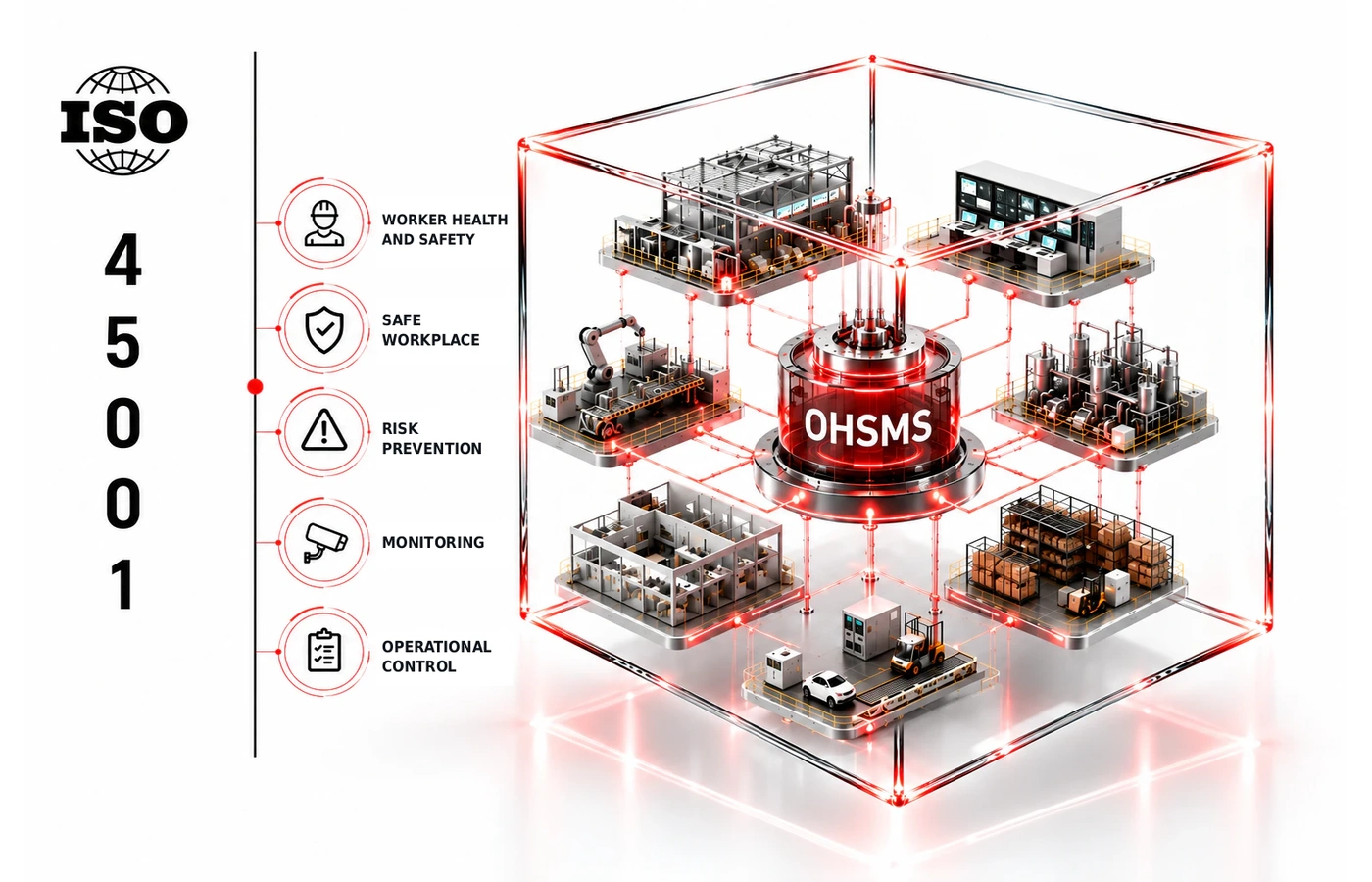
Occupational health and safety for OH&S risks, workers, contractors and prevention.
Learn more →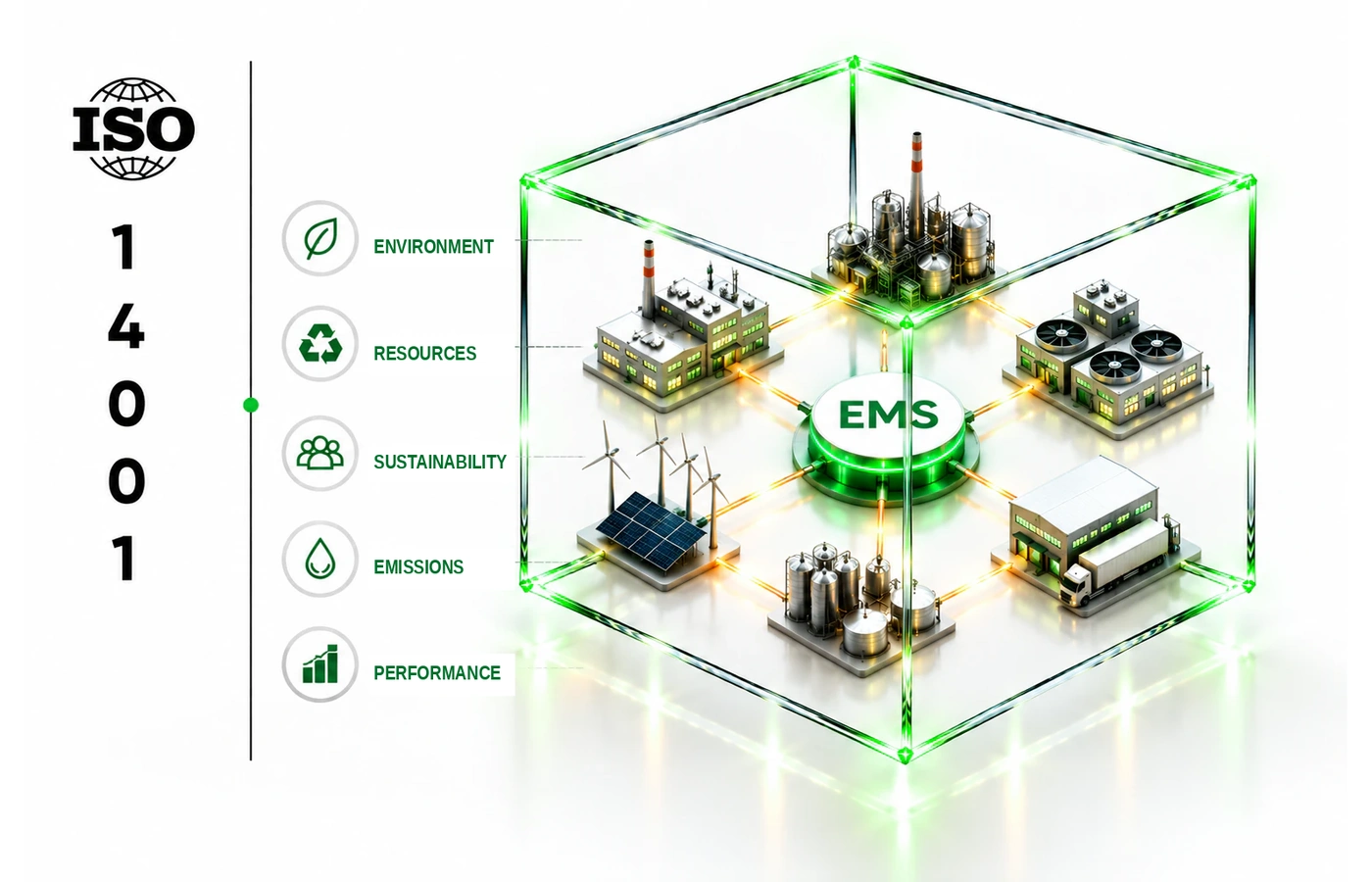
Environmental management for aspects, impacts, compliance obligations and environmental performance.
Learn more →
Energy management for consumption, energy efficiency and operational performance.
Learn more →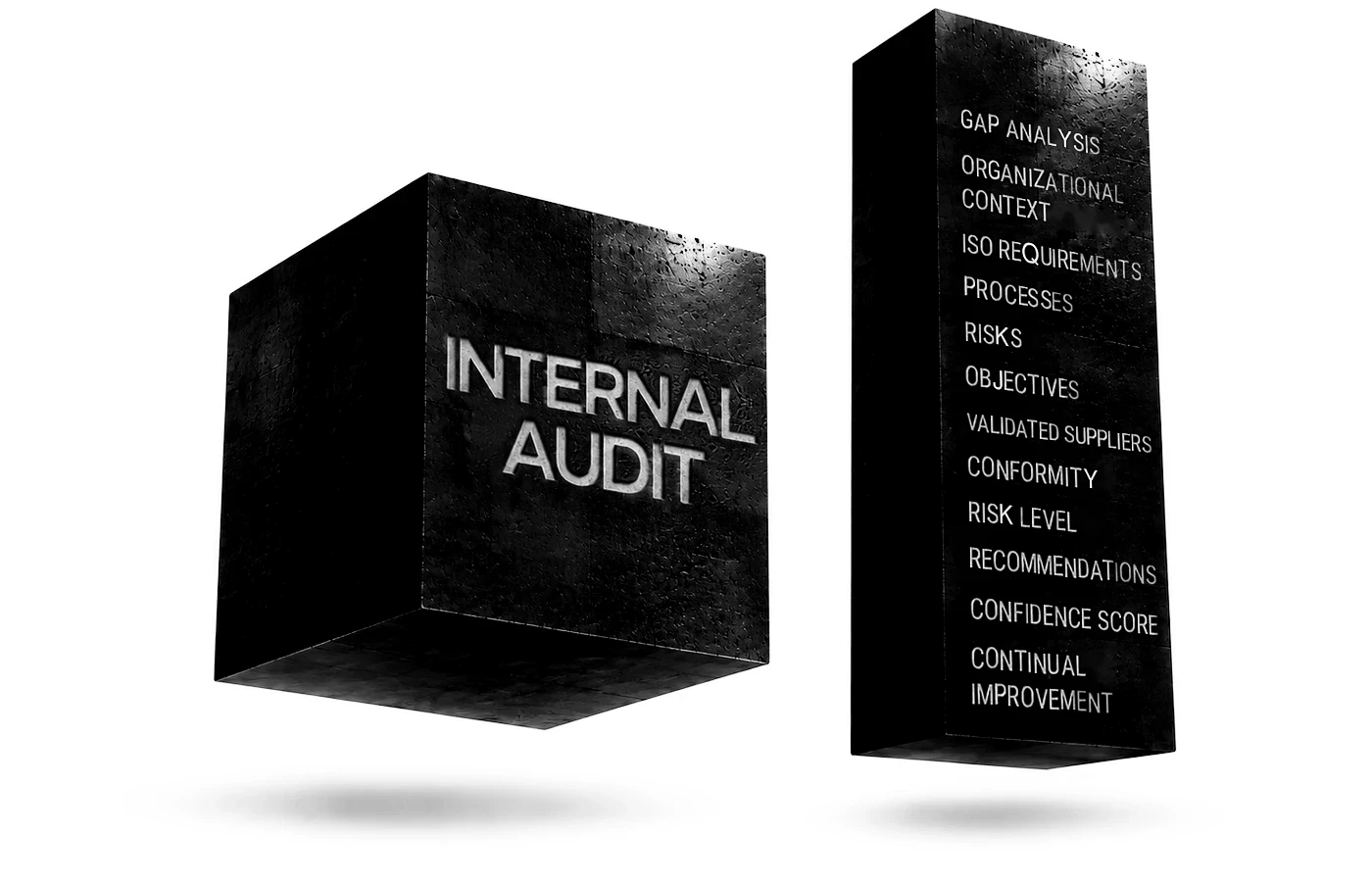
Checking the conformity and effectiveness of the system before certification, surveillance or recertification.
Learn more →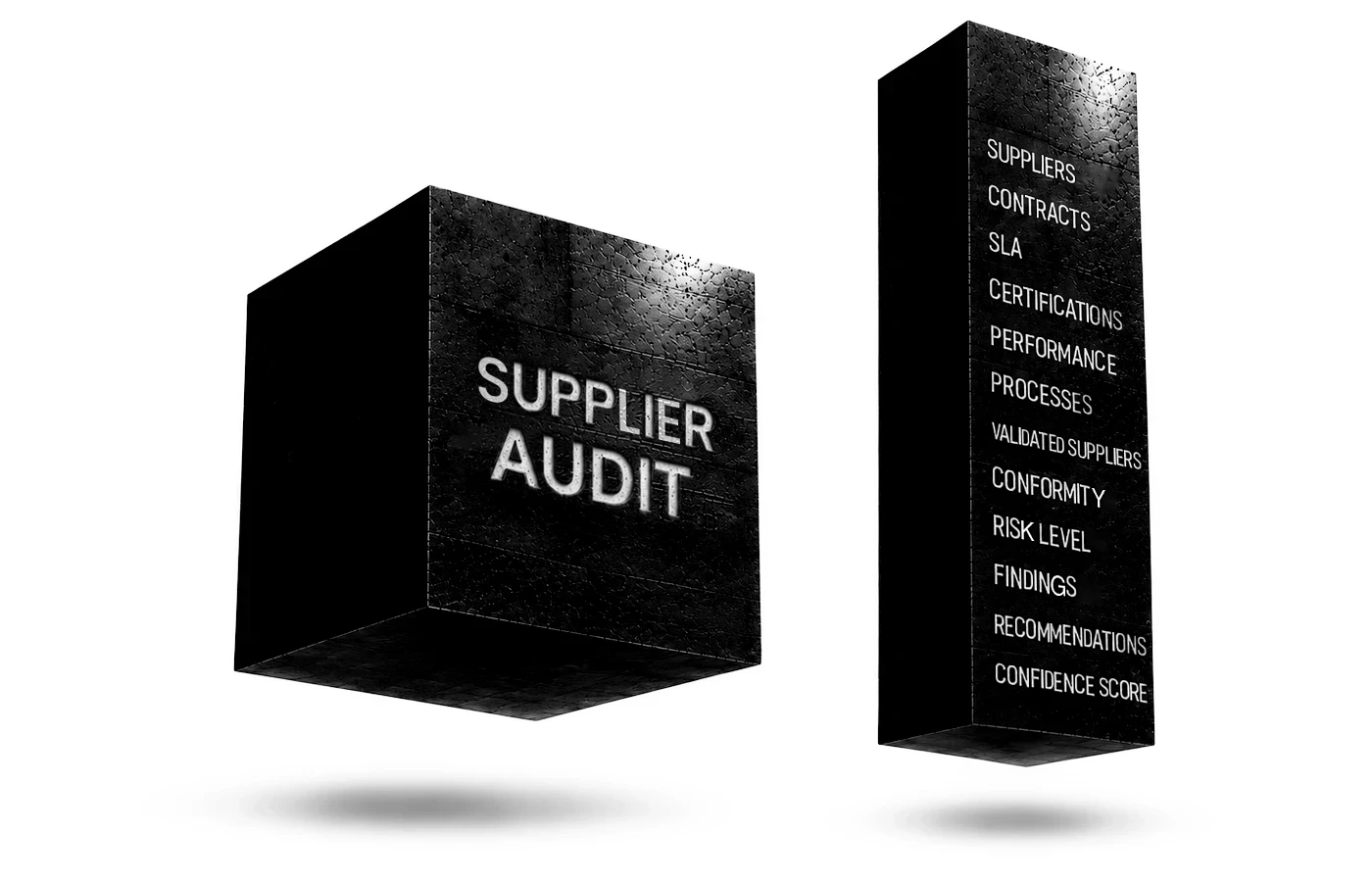
Evaluating suppliers, subcontractors and outsourced processes against the relevant requirements.
Learn more →
GAP analysis, implementation plan, documentation, training, operational support and audit preparation.
Learn more →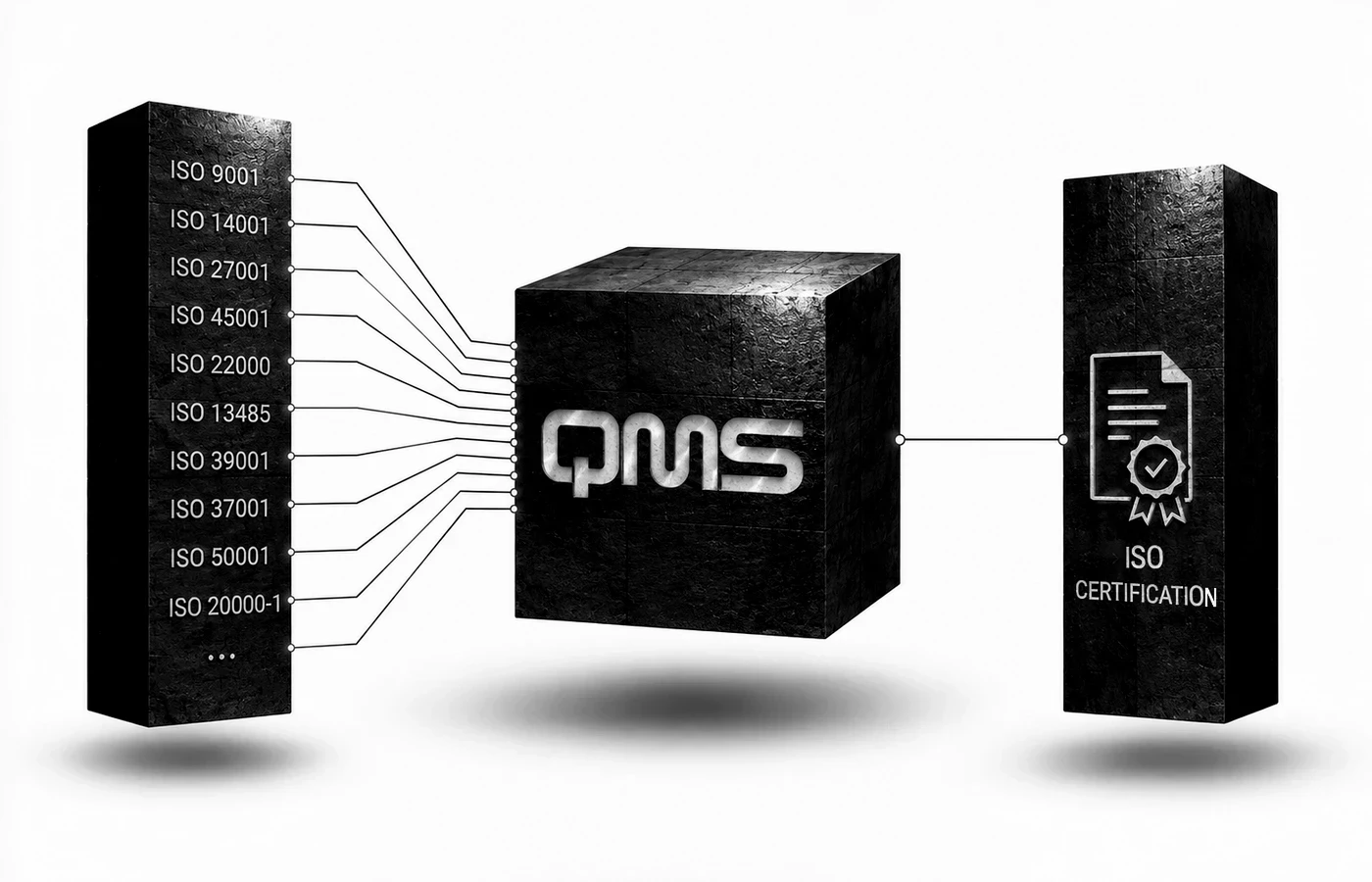
Reviewing evidence and corrective actions, and preparing the team for the certification body's audit.
Learn more →
Documents, internal audit, nonconformities, corrective actions and management review, with alerts and reports generated automatically.
Learn more →
Developing internal competences for auditing management systems.
Learn more →
Advanced preparation for auditing management systems and coordinating audits.
Learn more →It is the standard for road traffic safety management systems.
Organizations with fleets, transport, logistics, deliveries, mobile work sites or staff who travel frequently.
Road traffic safety performance indicators, such as accidents, incidents, behaviour, routes, speed or vehicle maintenance.
Not in itself, but it may be required by contract or chosen as a tool for reducing road risks.
An independent certification body.
GAP analysis, road risks, indicators, policies, controls, internal audit and certification preparation.
It depends on fleets, routes, subcontractors, risks and the maturity of existing controls.
The RTS policy, objectives, indicators, controls, accident records, training, the internal audit and the management review.
ISO 45001:2018 manages OH&S risks, while ISO 39001:2012 manages the road safety risks associated with traffic.
The system is maintained through monitoring, internal audits, incident analysis and surveillance audits.
Duration depends on the certification body, the size of the organization and the time needed to close any nonconformities. The stage 1 and stage 2 audits are scheduled together with the chosen body.
Choose a body with valid accreditation for the standard and your field of activity, where accreditation exists, and compare offers and audit conditions. The consultant does not certify and does not influence the body’s decision.
If your organization is aiming for ISO 39001:2012 certification, the services below turn the requirements of the standard into a working system: GAP analysis, useful documentation, training, internal audit and preparation for the certification body's audit.
We check whether the system is applied before certification, surveillance or recertification, and we prioritize corrective actions.
ISO internal audit →We build the system on real processes, risks, responsibilities, objective evidence and indicators relevant to road risks, RTS objectives and the control of transport activities.
ISO consulting →We prepare the team, the documents and the evidence for the certification audit, with a focus on effectiveness and conformity.
ISO certification preparation →Documents, internal audit, nonconformities, corrective actions and management review, with alerts and reports generated automatically.
Learn more →Services are available for organizations in Romania and the Republic of Moldova, including online work where the nature of the processes allows it.
Send us a few details about your organization, your field of activity and the goal of the project. We can guide you through the right steps for ISO 39001:2012 implementation, internal audit or certification preparation.
Phone: +40 722 773 446
Email: contact@qms.ro
Address: 12 Petru Rareș Street, Bucharest
Send an emailChoose whether to allow visitor statistics. You can change your choice at any time from the site footer.