Standard
ISO 27001:2022
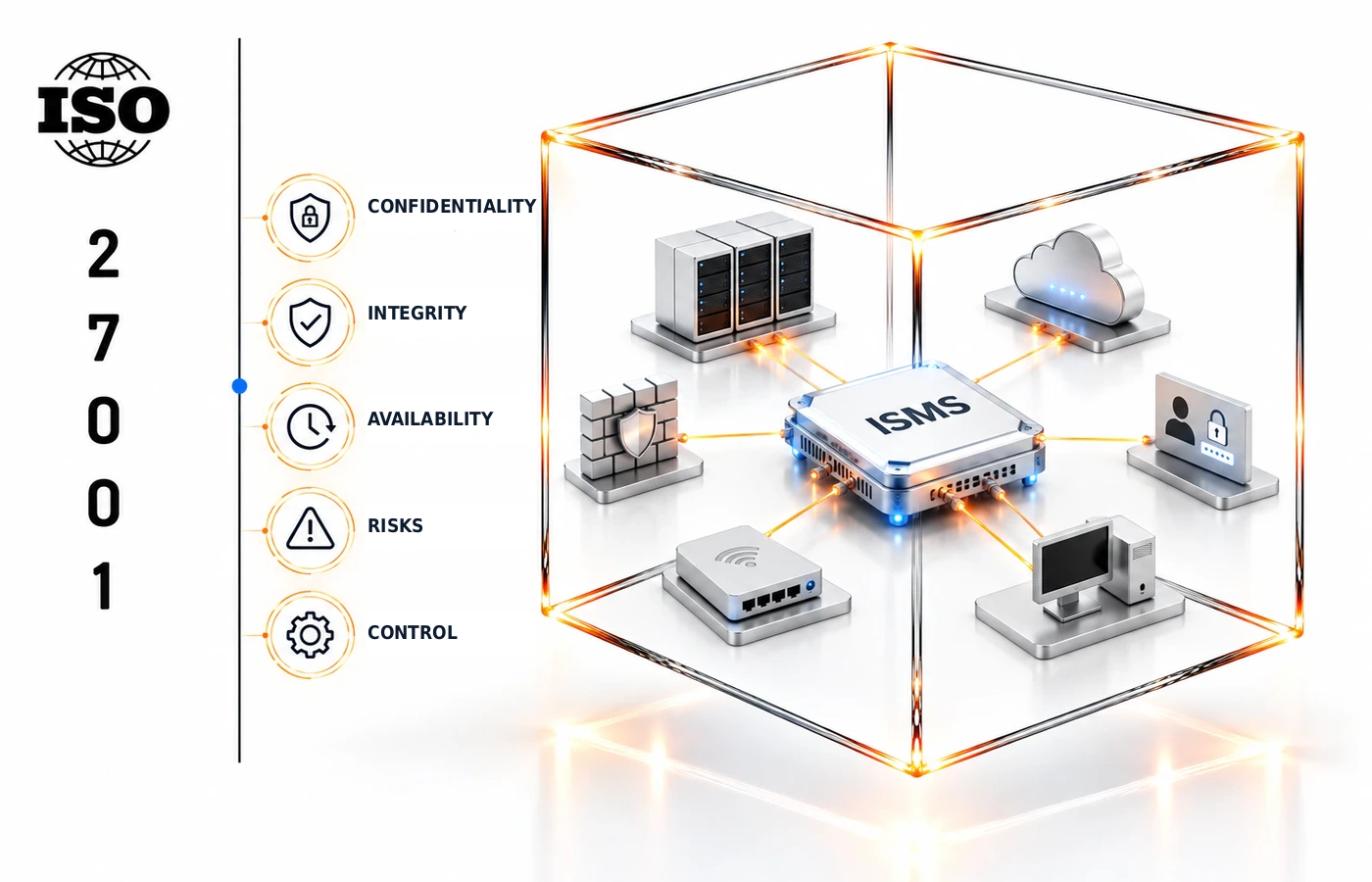
Structures the assessment and treatment of information risks, controls, access, incidents, suppliers and continuity.
Learn more →
Management systems for information security, IT services, continuity, critical suppliers, operational risk, internal audit and certification preparation.
Organizations in the banking sector handle sensitive information, digital services, critical infrastructure and external dependencies that directly affect continuity and customer trust. The management system must connect risks with responsibilities, controls and verifiable evidence.
QMS Consulting designs or optimizes ISO systems based on the organization's scope, critical services, information assets, suppliers, incidents and applicable obligations. Requirements are integrated into existing governance, without parallel procedures or documentation that nobody uses.
An effective system provides clear criteria for access, changes, incidents, suppliers, continuity and service monitoring, so that management can demonstrate control and prioritize the real risks.
The choice depends on services, information, suppliers, objectives and risks. ISO standards complement the applicable legal, contractual and regulatory requirements; they do not replace them.
Structures the assessment and treatment of information risks, controls, access, incidents, suppliers and continuity.
Learn more →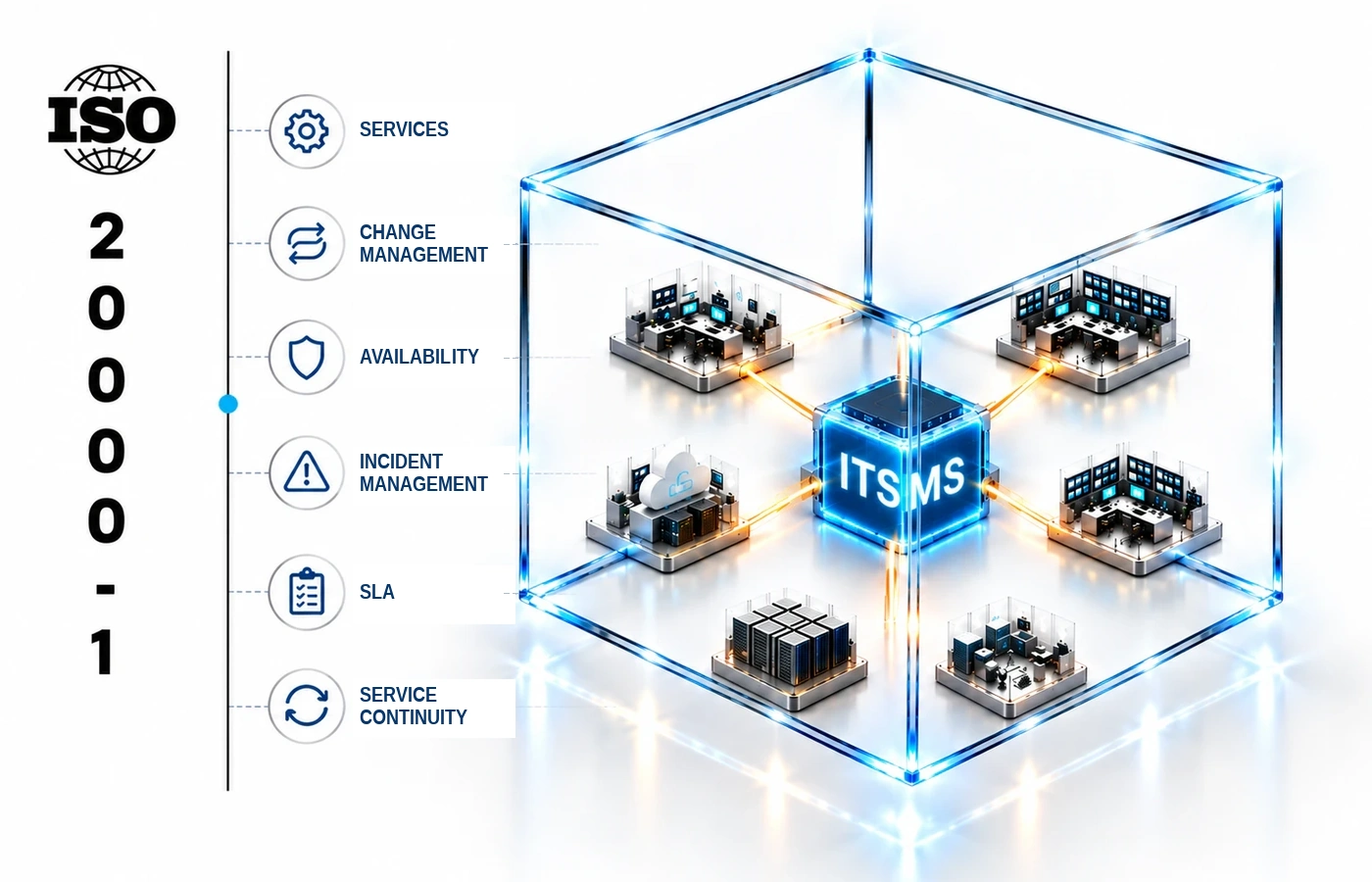
Supports the design, delivery, monitoring and improvement of IT services, including incidents, changes and supplier relationships.
Learn more →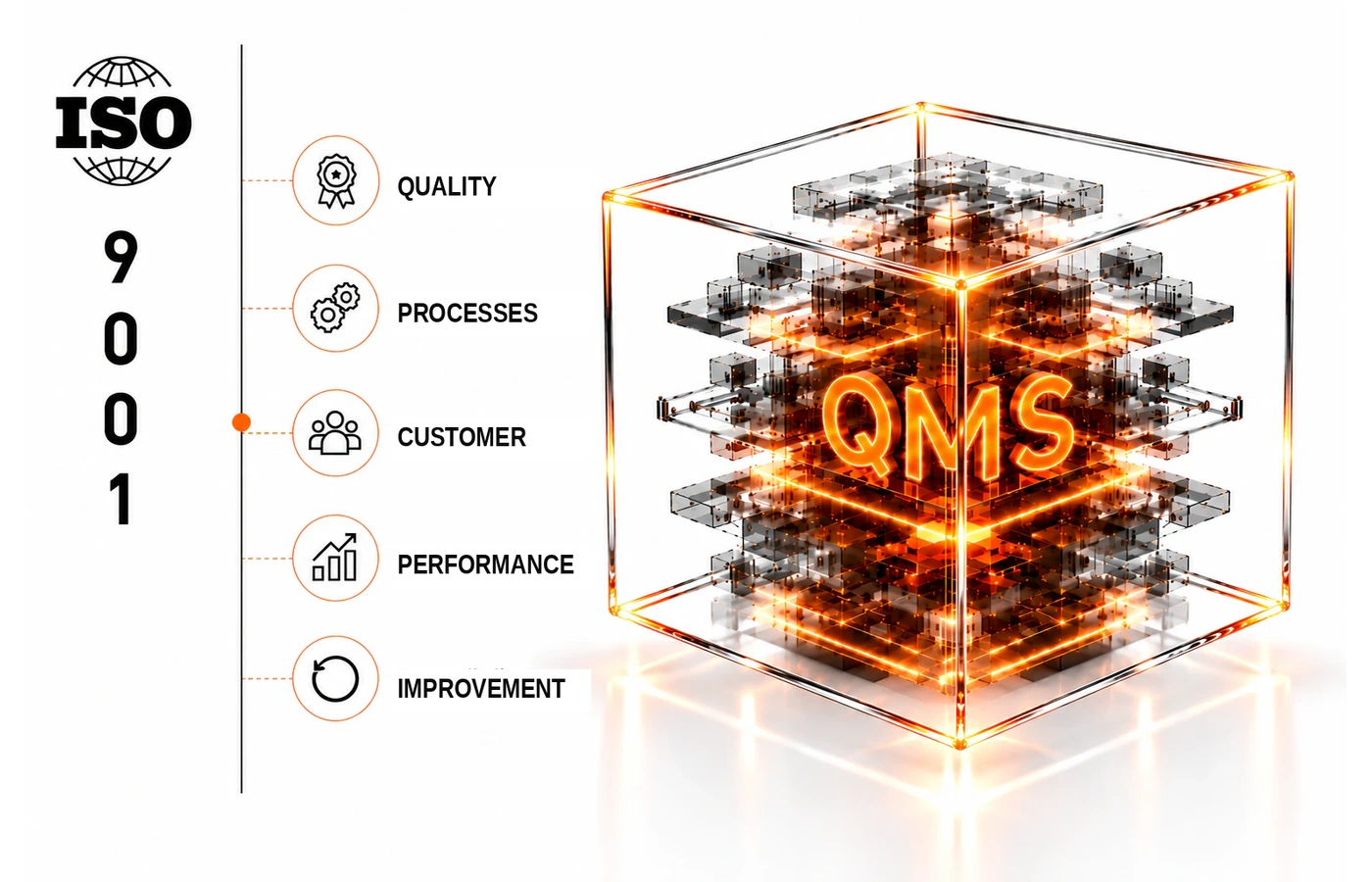
Clarifies processes, responsibilities, objectives, indicators, complaints, suppliers and service improvement.
Learn more →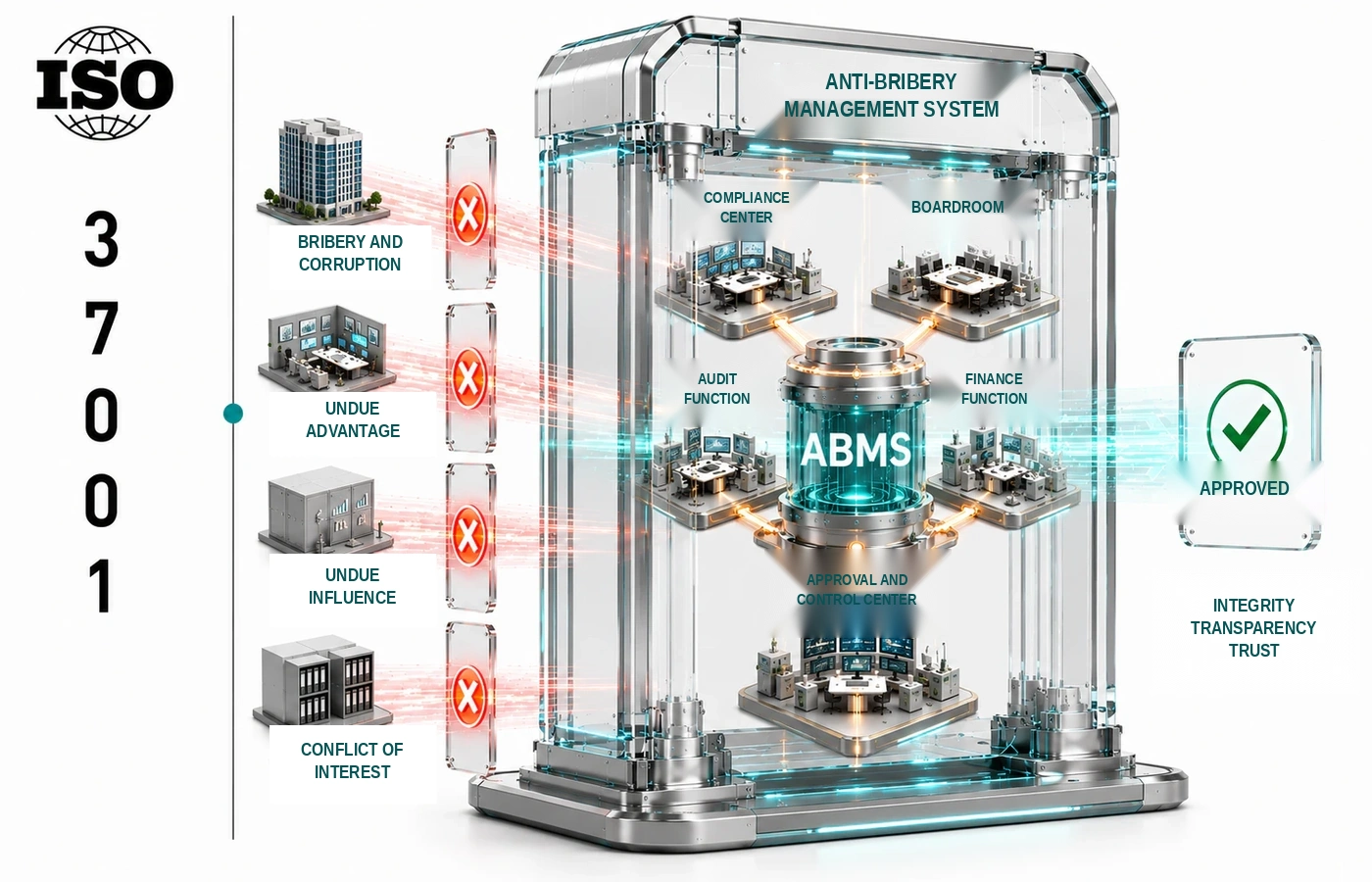
Provides a framework for bribery risk assessment, due diligence, controls and reporting mechanisms.
Learn more →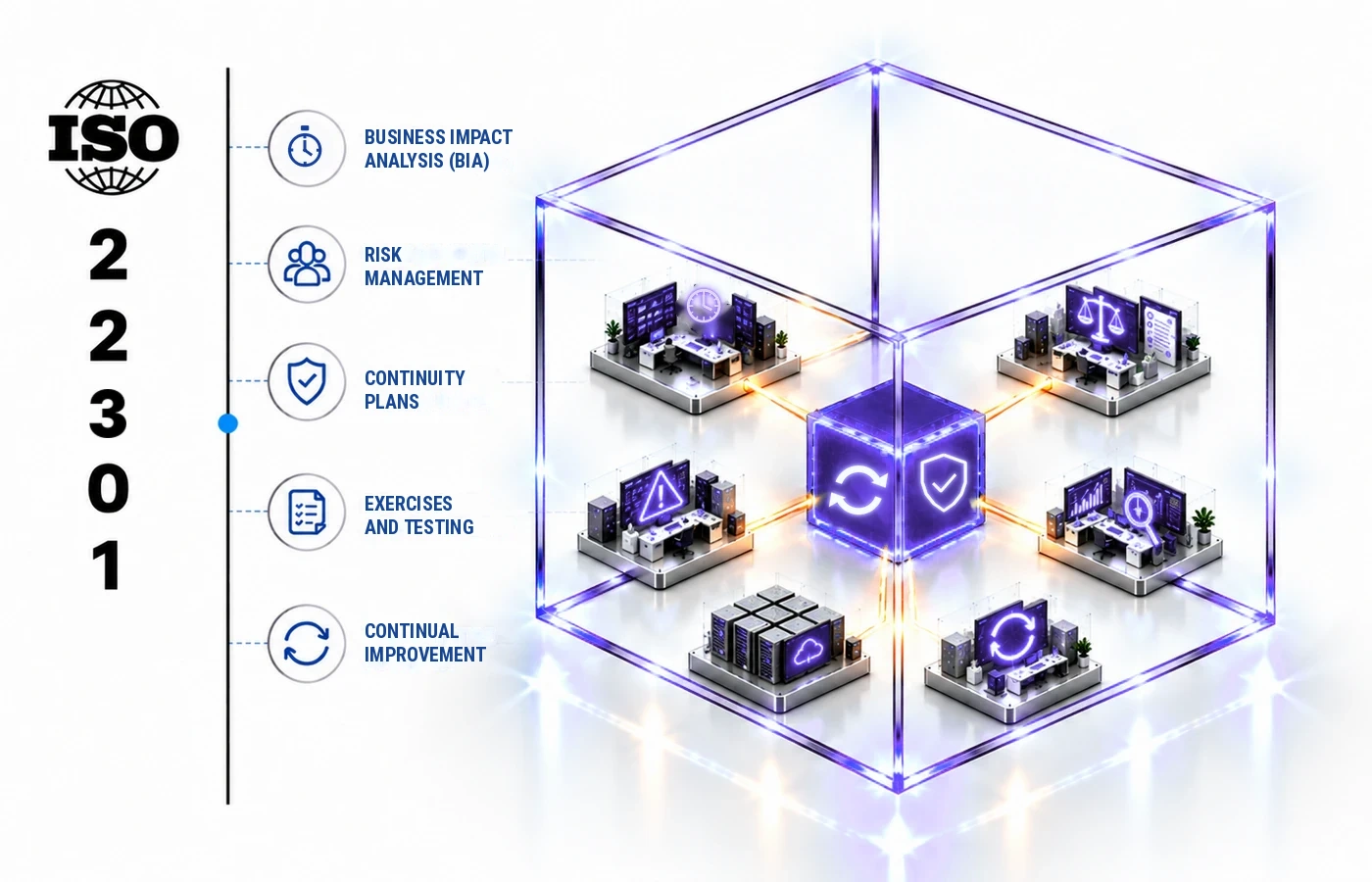
Can support business continuity management through impact analysis, strategies, plans, exercises and improved resilience.
Learn more →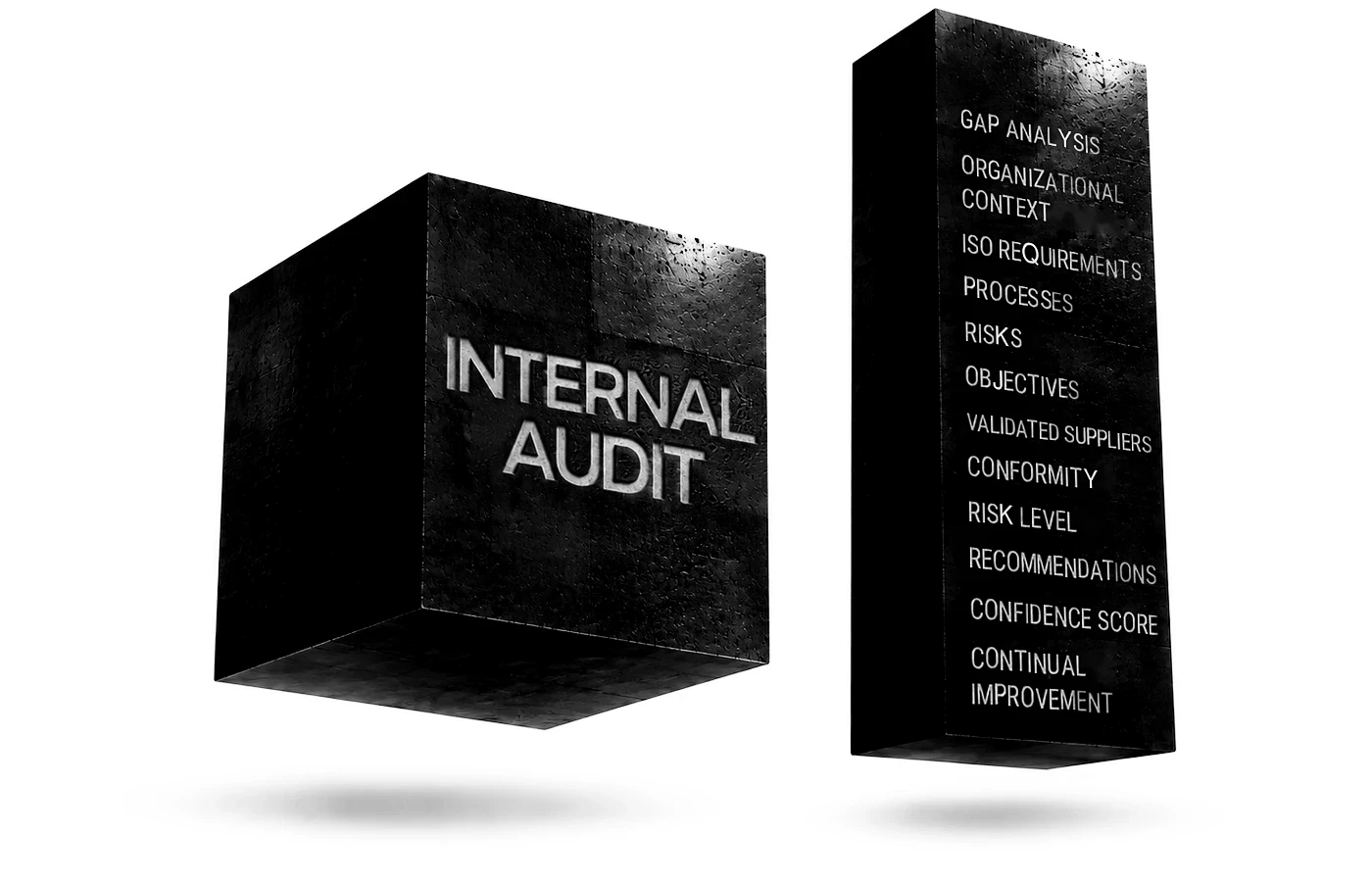
Assessing the conformity and effectiveness of processes, with risk-based sampling and evidence-backed findings.
Learn more →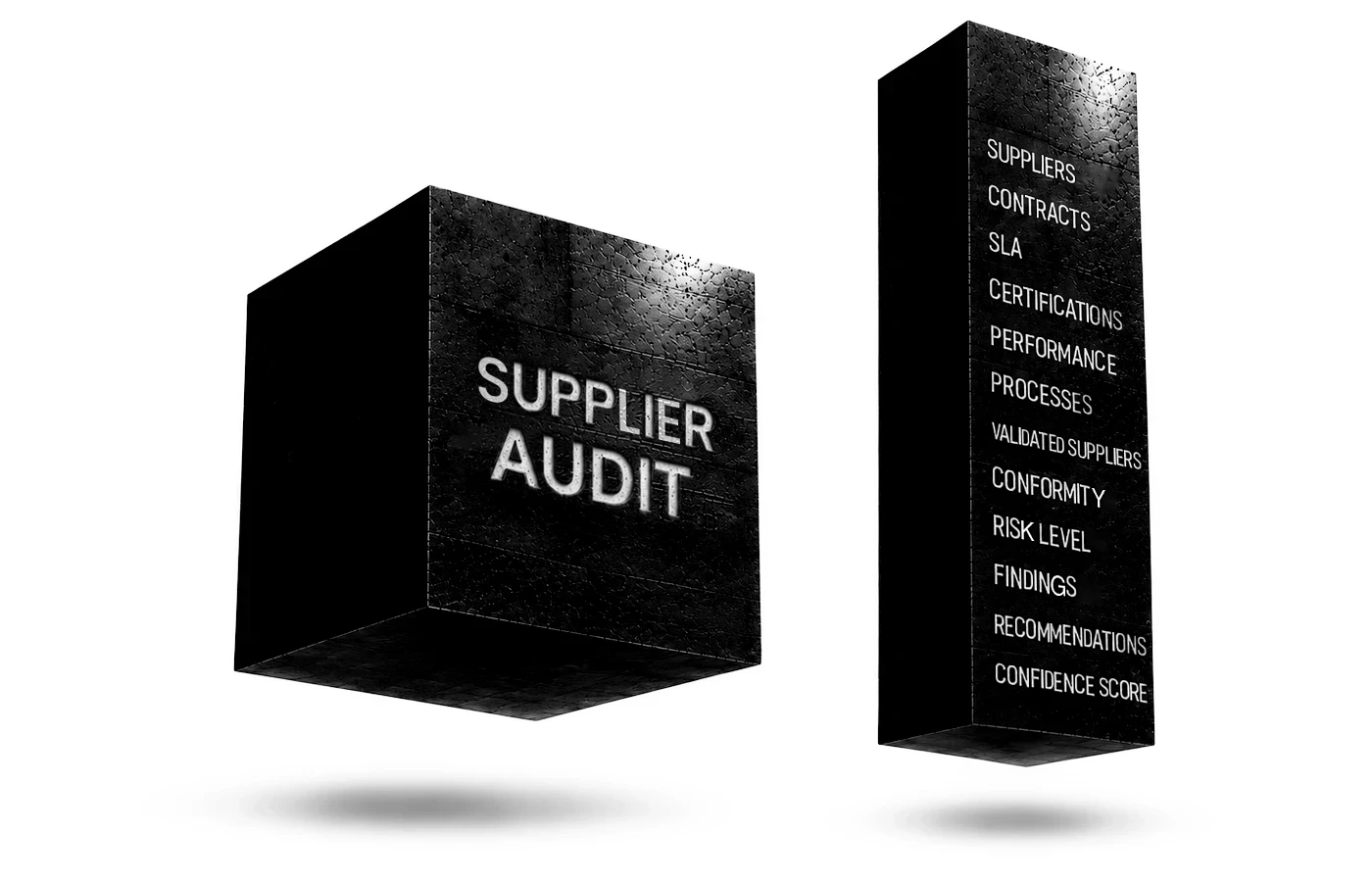
Evaluating IT and cloud suppliers and other critical third parties by capability, control, continuity and contractual obligations.
Learn more →
GAP analysis, defining the scope, process design, proportionate documentation and implementation support.
Learn more →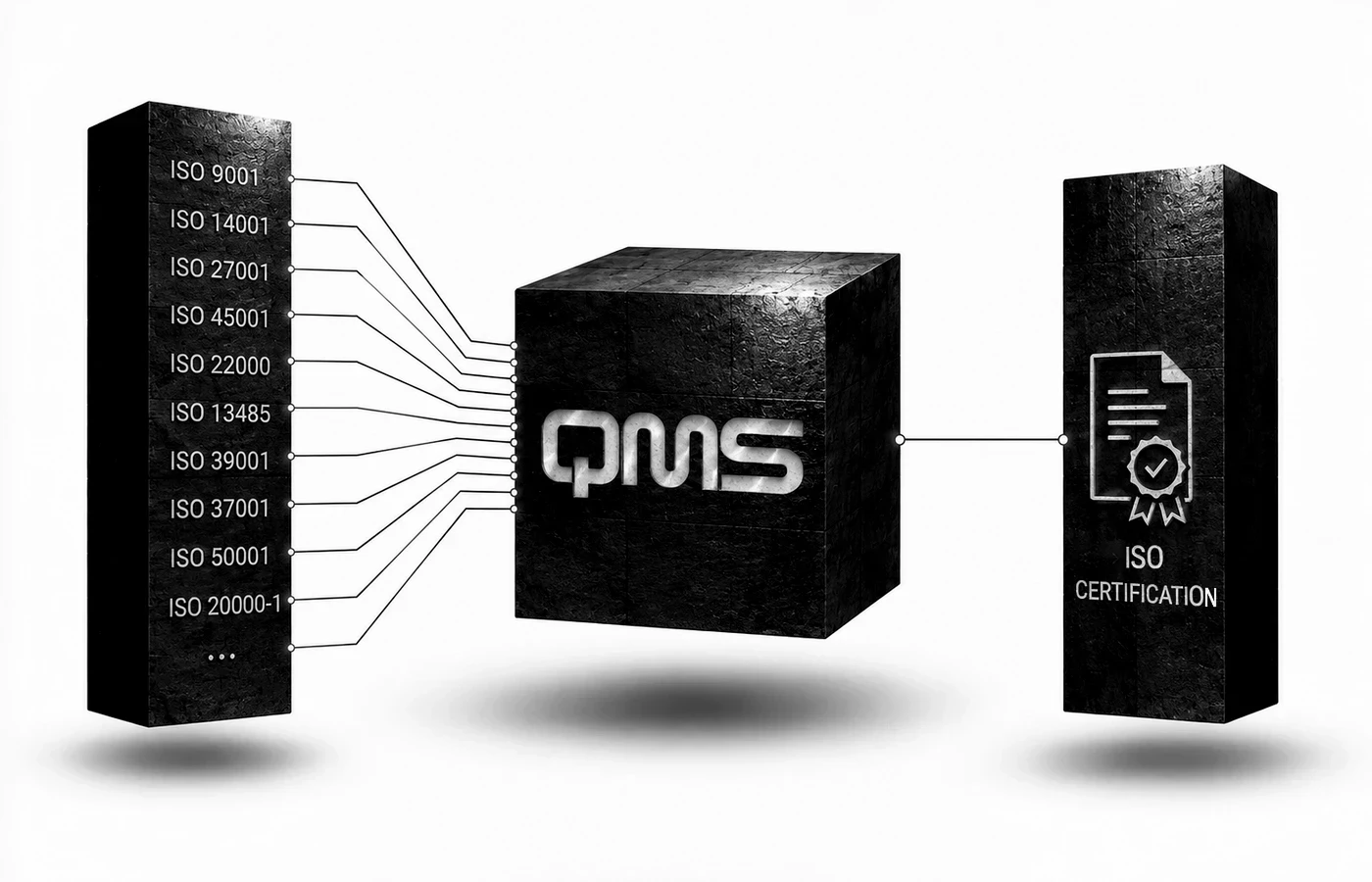
Reviewing the system, checking evidence, addressing findings and preparing the team for the independent audit.
Learn more →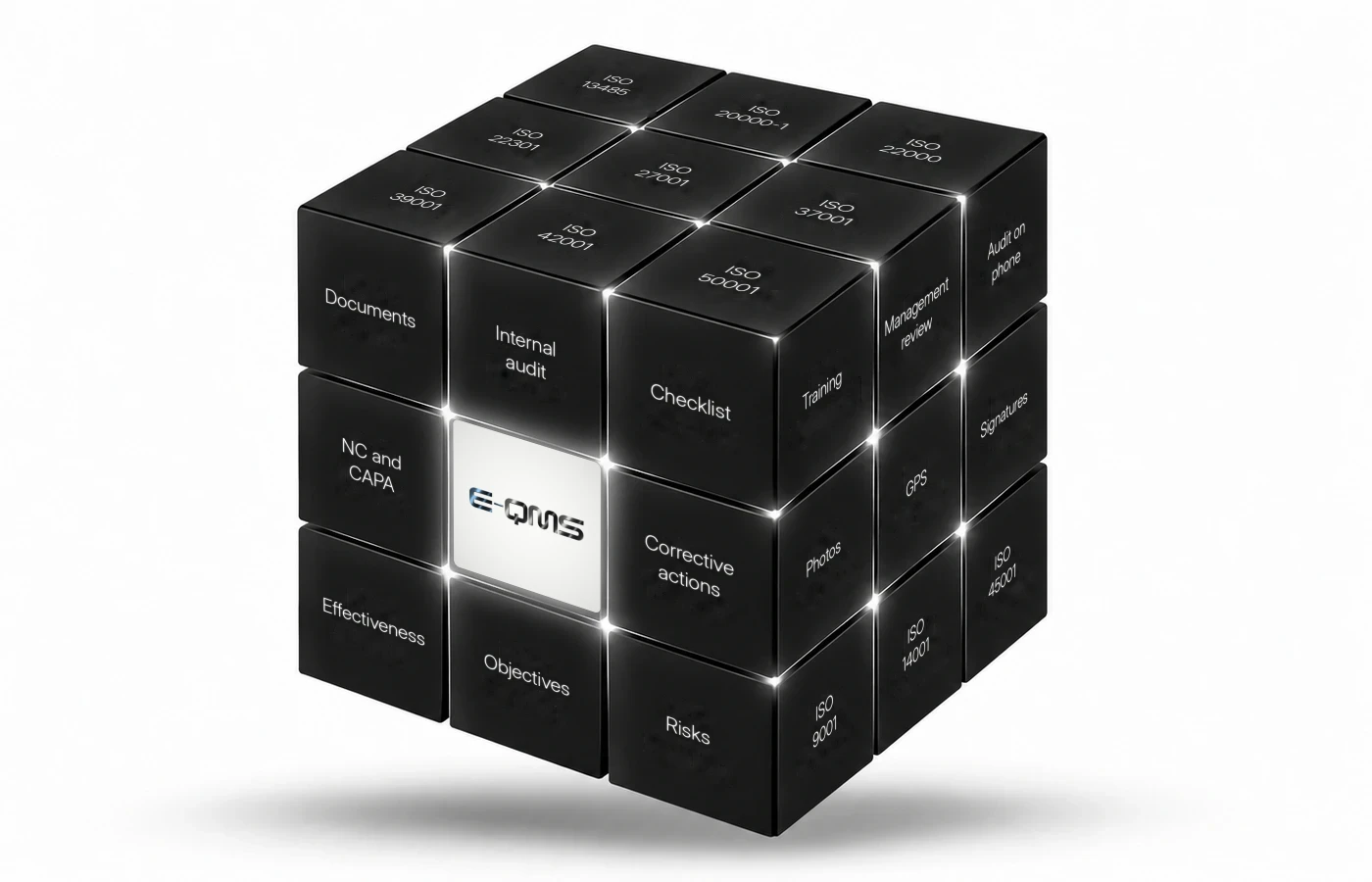
Documents, internal audit, nonconformities, corrective actions and management review, with alerts and reports generated automatically.
Learn more →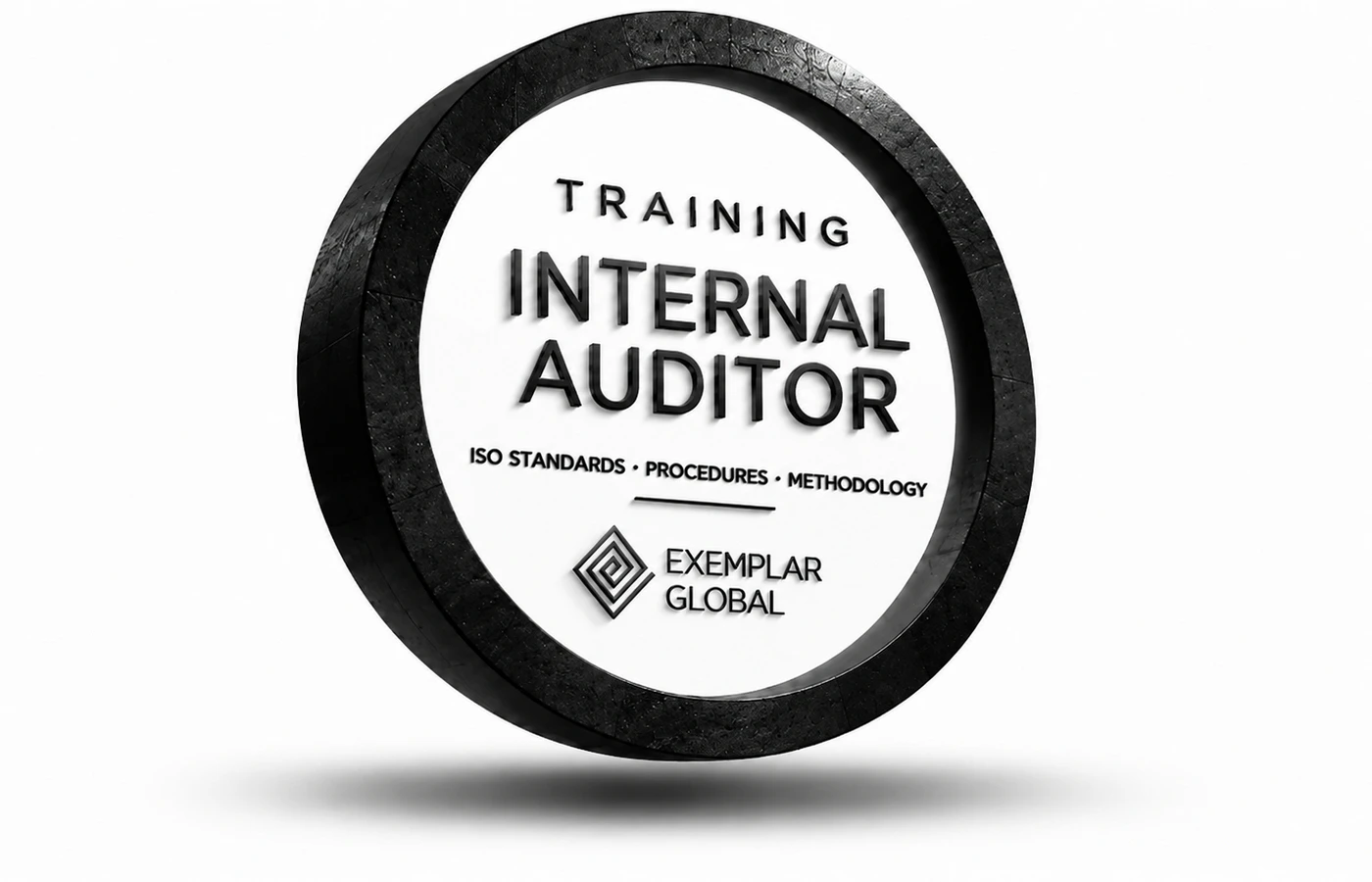
Practical training in planning, conducting, reporting and following up internal audits.
Learn more →
Advanced preparation for coordinating programmes, teams and complex or integrated audits.
Learn more →Controls must be assessed in relation to the real services, assets, users, suppliers and disruption scenarios.
We link requirements to the processes, risks, responsibilities, indicators, suppliers and records available. Recommendations are prioritized by impact and integrated into the existing control and reporting mechanisms.
The value of the system appears when management information supports incident prevention, continuity and decisions about suppliers and services.
Risks are identified, assessed, treated and monitored through repeatable criteria and responsibilities.
Service levels, incidents, changes, capacity and availability are managed through clear processes and indicators.
Initial evaluation and monitoring are adapted to criticality, access to information and the impact on continuity.
Roles, classification, escalation, communication and post-incident review are clarified and verified.
Scenarios, strategies, plans and recovery capabilities are reviewed based on the results of exercises.
Processes, decisions and records can be presented consistently in internal and external assessments.
The scope of the assessment is set according to the services included, assets, suppliers, sites, standards and relevant risks.
Controlling the life cycle of identities and privileges, from request and approval to review and revocation.
Detection, classification, escalation, response, communication and analysis of lessons learned.
Assessing, approving, testing, implementing and reviewing changes that affect services and security.
Evaluating, contracting and monitoring third parties, including obligations, performance, incidents and continuity.
Impact analysis, scenarios, strategies, plans, tests and improving the capability to restore services.
Planning audits according to risk, changes, previous results, service criticality and open findings.
ISO/IEC 27001 is relevant for information security, ISO/IEC 20000-1 for IT services, ISO 22301 for continuity, ISO 9001:2026 for quality, and ISO 37001:2025 for bribery prevention.
No. The standard complements the management system, but does not replace the applicable legal, contractual or regulatory obligations.
No. QMS Consulting provides consulting, internal audit, training and preparation. Certification is carried out by an independent body.
Through evaluation and monitoring proportionate to the risk, service criticality, access to information, continuity and the obligations undertaken.
Yes. Common processes can be coordinated in a single system, while keeping the requirements specific to security and IT services.
The duration depends on the scope, infrastructure, services, suppliers, standards, process maturity and available resources.
Documentation depends on the standard and may include policies, risk assessments, procedures, registers, plans, audits and actions.
By clarifying the goal, scope, services, suppliers, target standards and current status.
The configuration starts from services, information, processes, suppliers, obligations and risks, not from a generic model.
Common requirements are integrated to avoid duplicate procedures and records, while specific controls are kept where the standard, the service or the risk justifies them.
Send us the services included, target standards, critical suppliers, sites and the deadline you are aiming for. This information allows us to configure a realistic plan.
Phone: +40 722 773 446
Email: contact@qms.ro
Address: 12 Petru Rareș Street, Bucharest
Send the requestChoose whether to allow visitor statistics. You can change your choice at any time from the site footer.