Standard
ISO 9001:2026
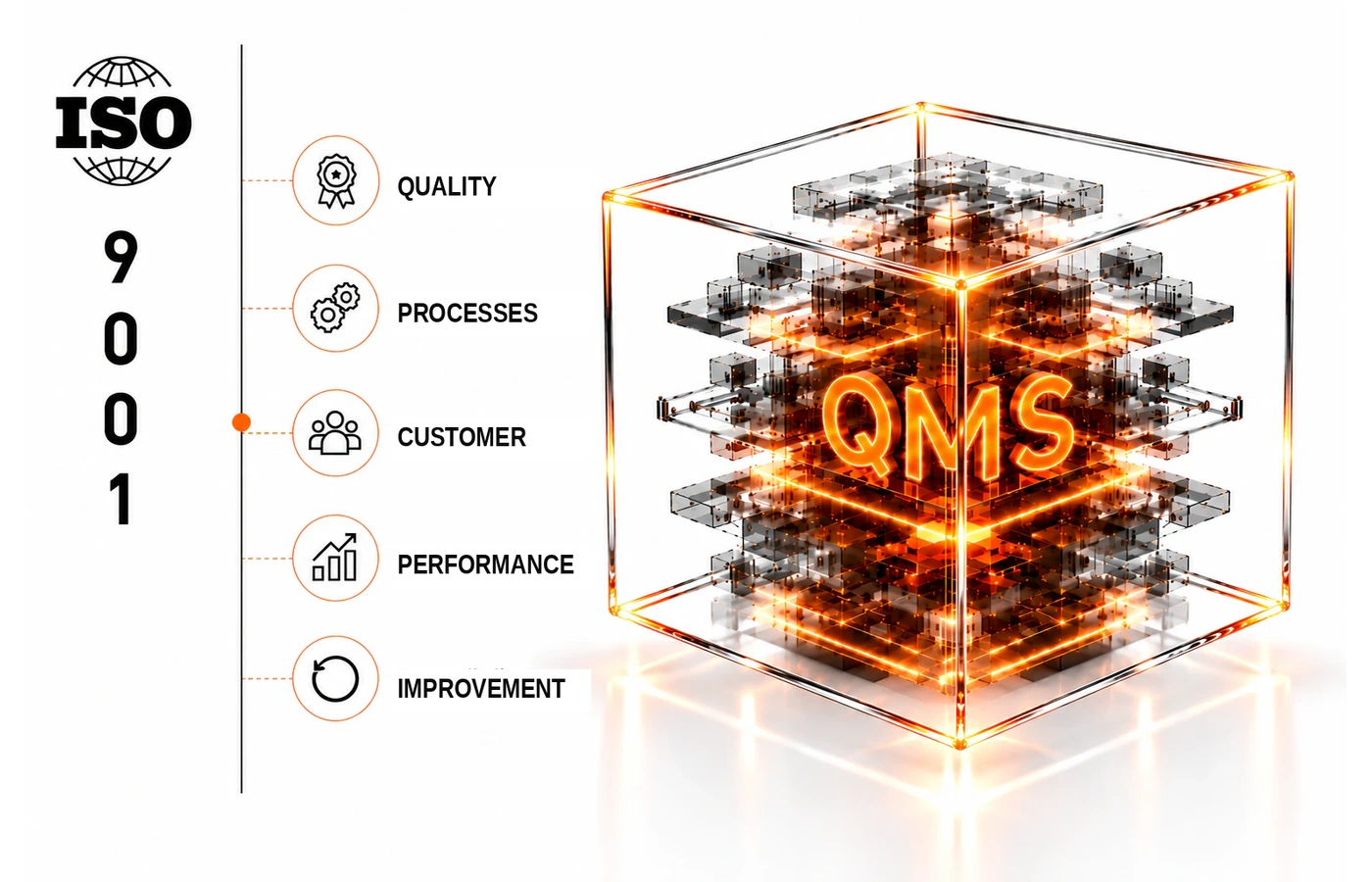
Processes, objectives, indicators, customer satisfaction, internal audit, nonconformities and continual improvement.
Learn more →
A practical course for internal auditors who need to plan, conduct and report useful internal audits of ISO management systems.

Accredited Training Provider
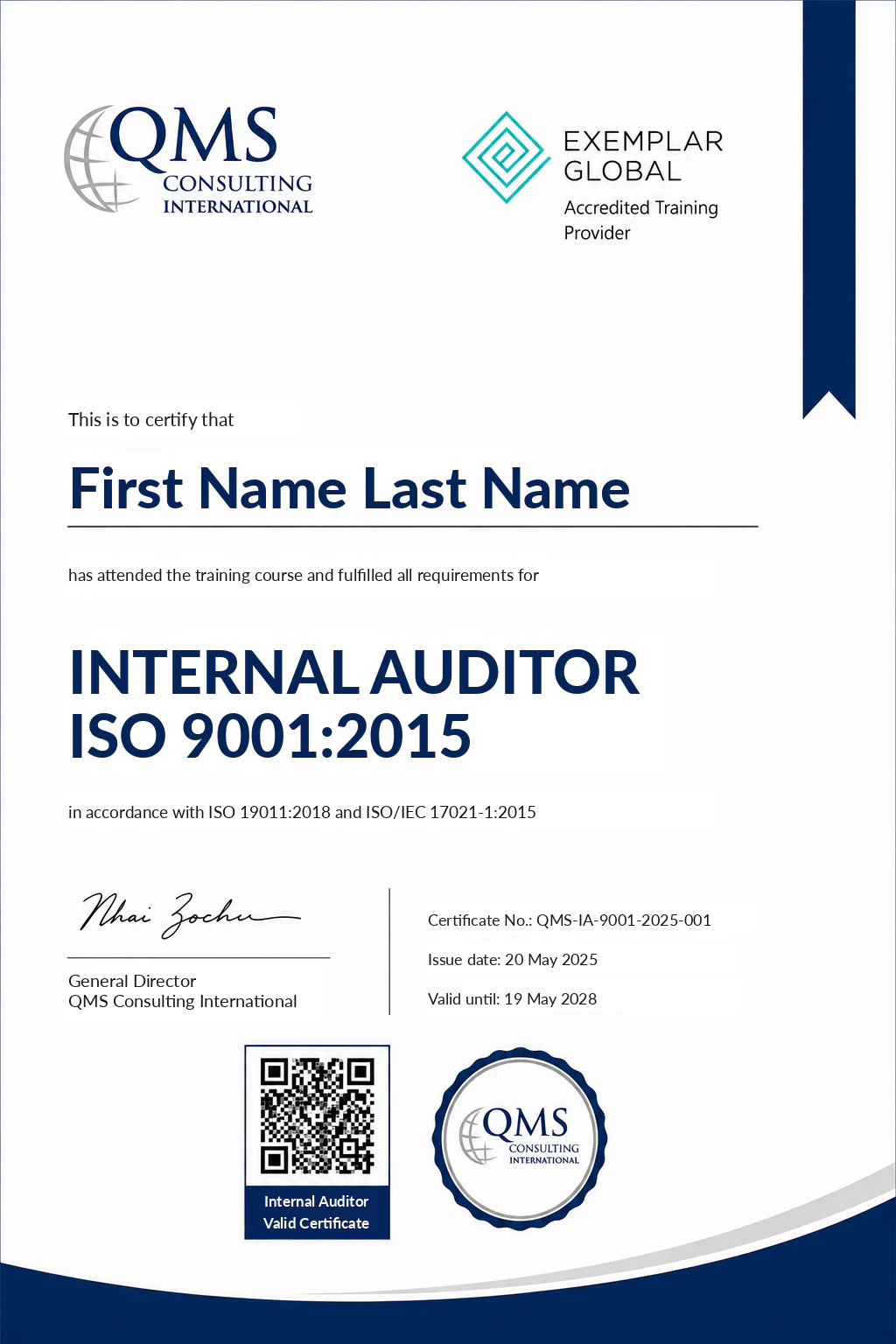
The ISO Internal Auditor training is a training programme accredited by Exemplar Global, focused on practical skills in internal auditing, planning, interviewing, collecting objective evidence, reporting and following up corrective actions.
QMS Consulting is the exclusive representative of Exemplar Global in Romania, giving organizations and professionals access to training programmes aligned with international requirements for auditing management systems.
This differentiator matters for companies that need internal auditors capable of supporting internal audits, certification audits, surveillance audits and the maintenance of ISO systems in a professional and auditable way.
ISO Internal Auditor training is more than a presentation of the requirements of the standard. It is the practical training of the people who will check whether the management system really works, whether processes are applied, whether evidence exists and whether the organization can demonstrate conformity in internal audits, certification audits or surveillance audits.
A well-trained internal auditor does not look for someone to blame and does not carry out formal audits. They check processes, talk to people, review documents, sample evidence, understand risks and formulate findings that are useful to management.
QMS Consulting adapts the training to the standard being audited, the organization's industry and the participants' level. The training can focus on a single standard or on integrated management systems, while keeping the emphasis on practical skills and the requirements of an Exemplar Global accredited programme.
The internal audit is one of the most important sources of information for management. The quality of the audit depends directly on the competence of the internal auditors.
Participants learn to identify the real problems in processes, not just to fill in formal checklists.
The training emphasizes objective evidence, audit criteria and correctly worded nonconformities.
Better internal audits reduce the risk of nonconformities in the certification body's audit.
The organization does not depend solely on external consultants to check its management system.
Audit reports give management clear information about processes, risks and areas for improvement.
Well-trained internal auditors contribute to operational discipline, accountability and continual improvement.
The training can be adapted to the standard the organization is implementing or maintaining. For integrated systems, the course covers both the common requirements and the specific features of each standard.
Processes, objectives, indicators, customer satisfaction, internal audit, nonconformities and continual improvement.
Learn more →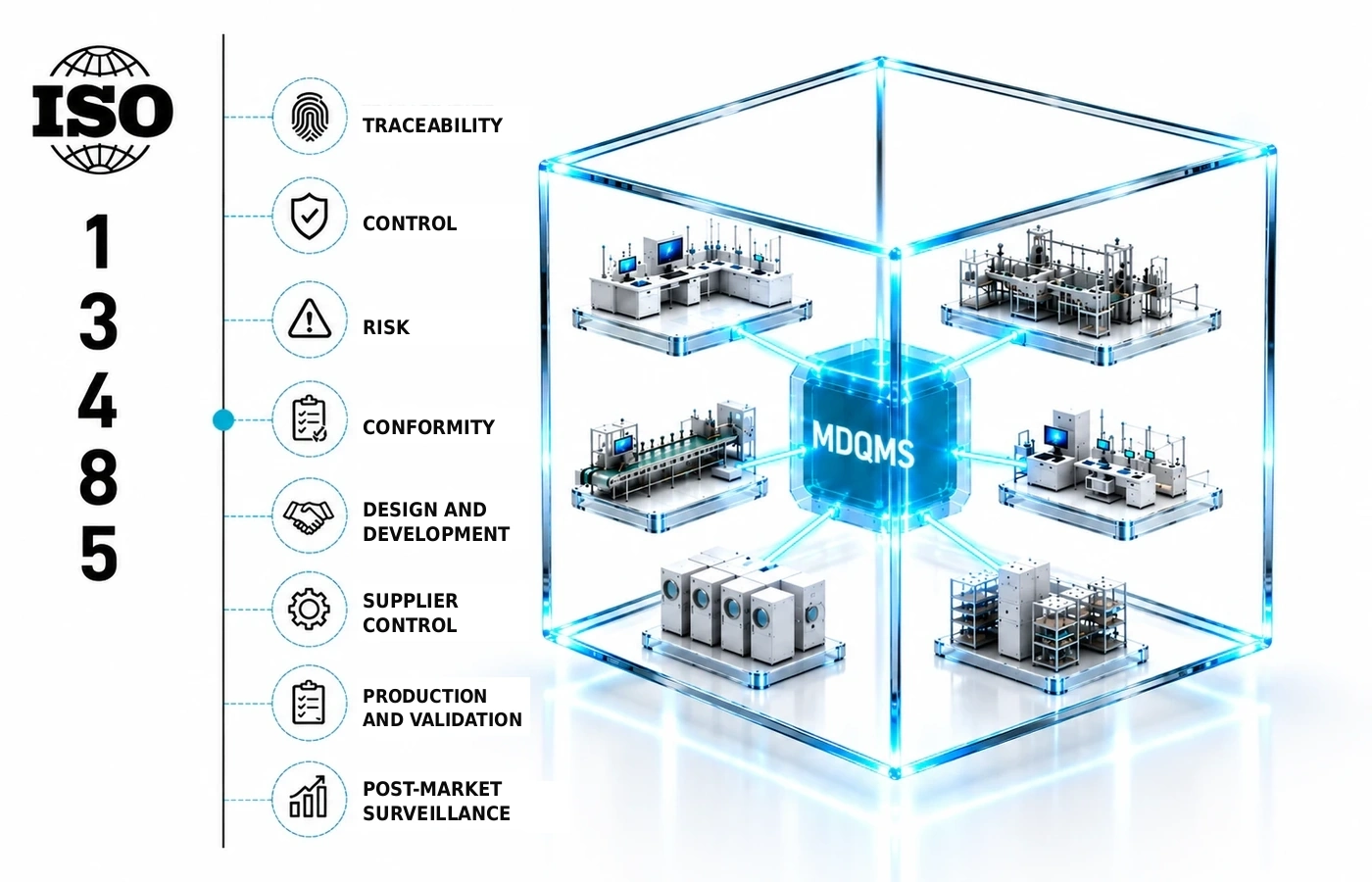
Internal audit of traceability, documented control, regulatory requirements, complaints, risks and critical processes.
Learn more →
Internal audit of environmental aspects, compliance obligations, operational control and environmental performance.
Learn more →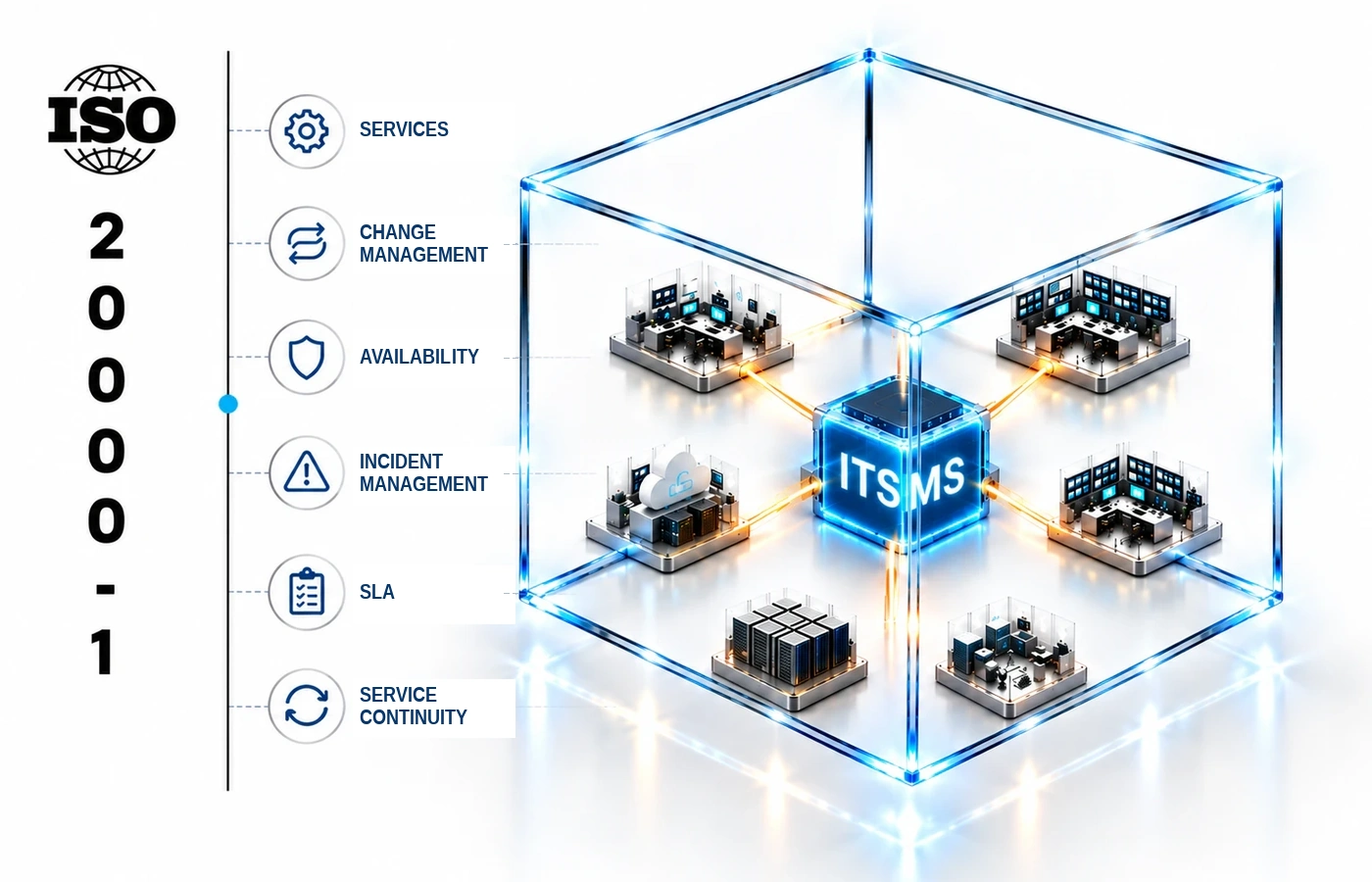
Internal audit of SLAs, incidents, changes, continuity, IT suppliers and controlled service delivery.
Learn more →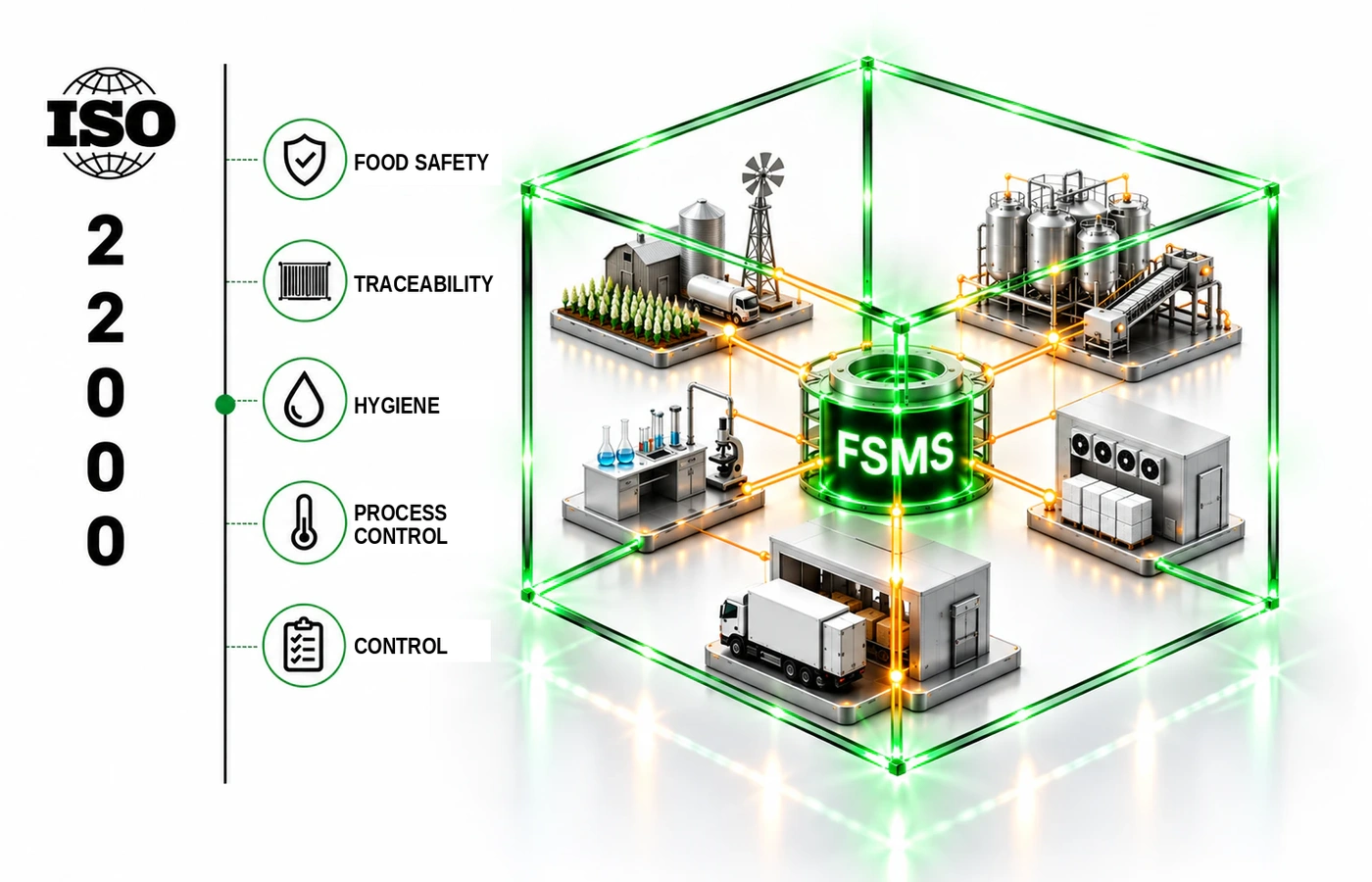
Internal audit of HACCP, PRPs, traceability, control of food hazards and operational checks.
Learn more →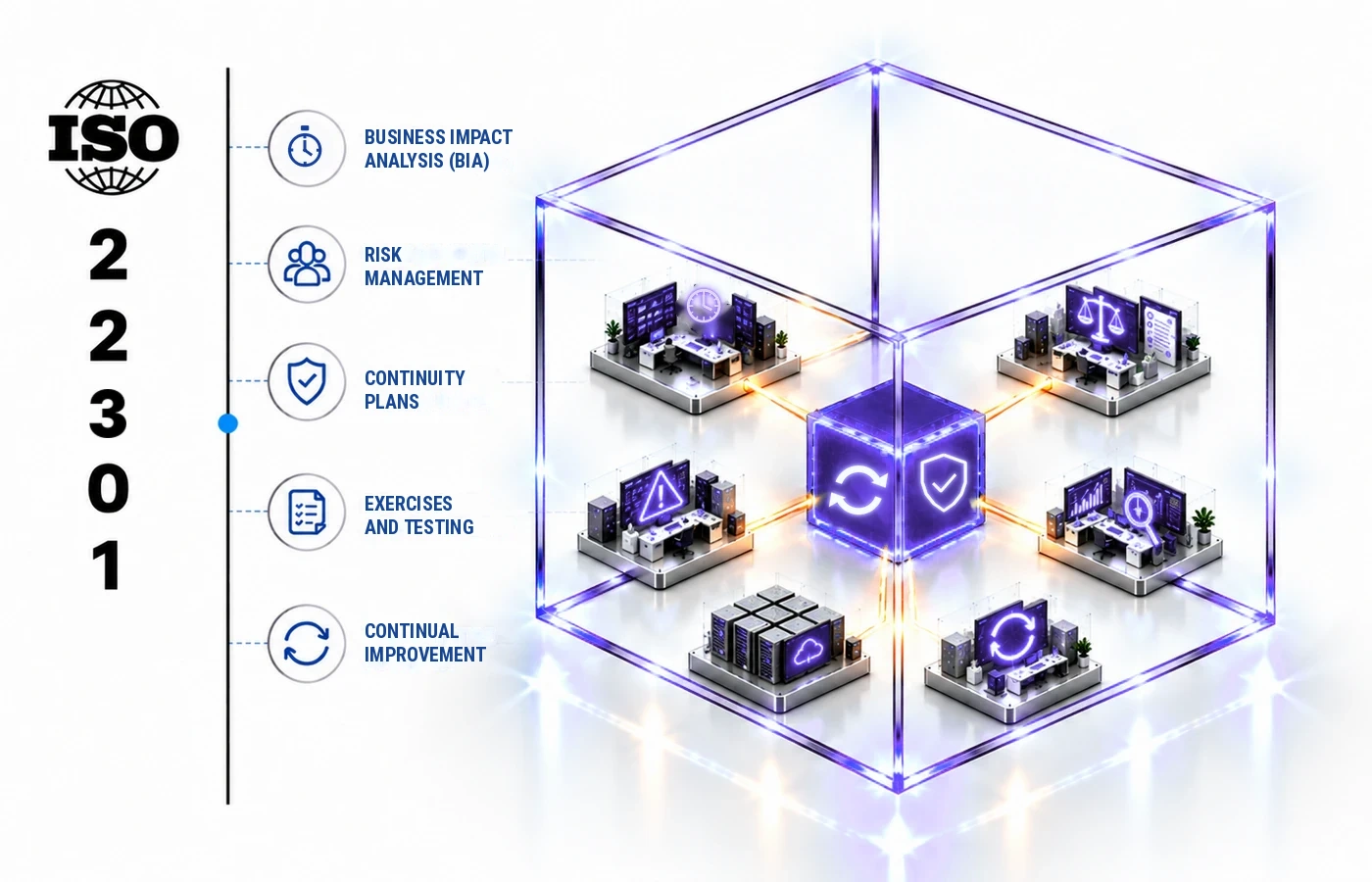
Internal audit of continuity plans, the BIA, exercises and the recovery of critical activities.
Learn more →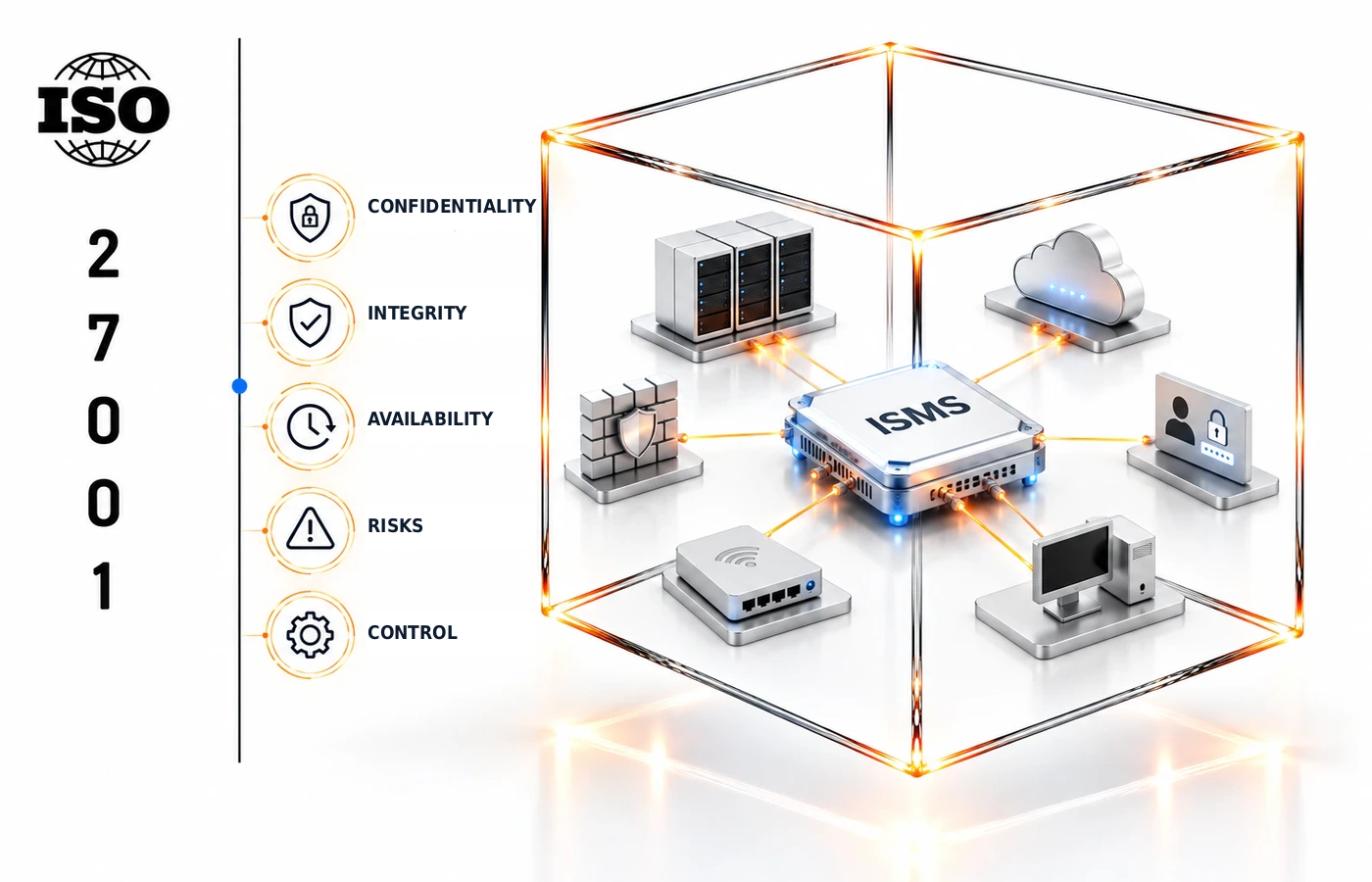
Internal audit of information risks, controls, assets, access, incidents, continuity and the ISMS.
Learn more →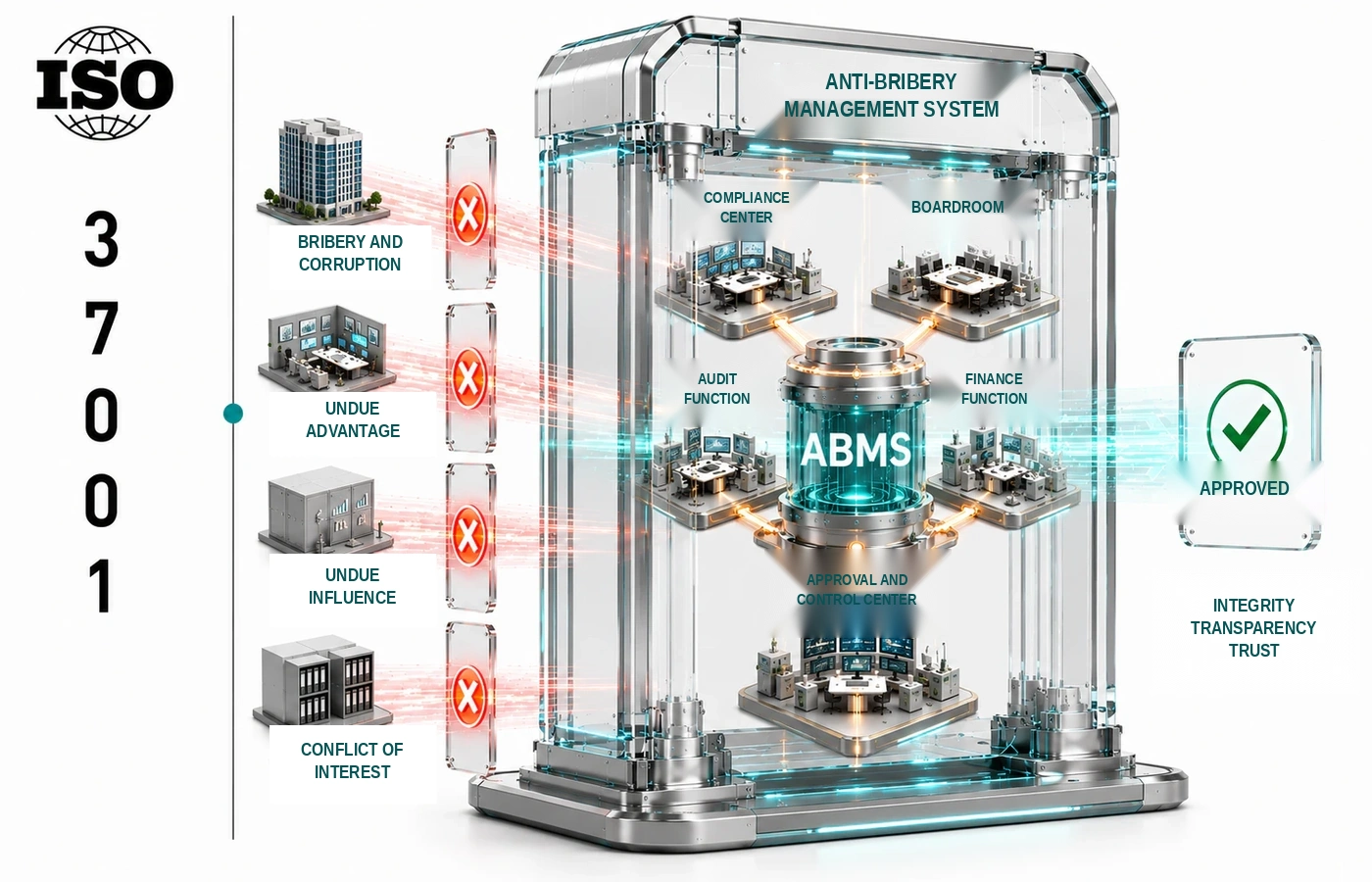
Internal audit of due diligence, integrity, anti-bribery controls, third parties, conflicts of interest and reporting.
Learn more →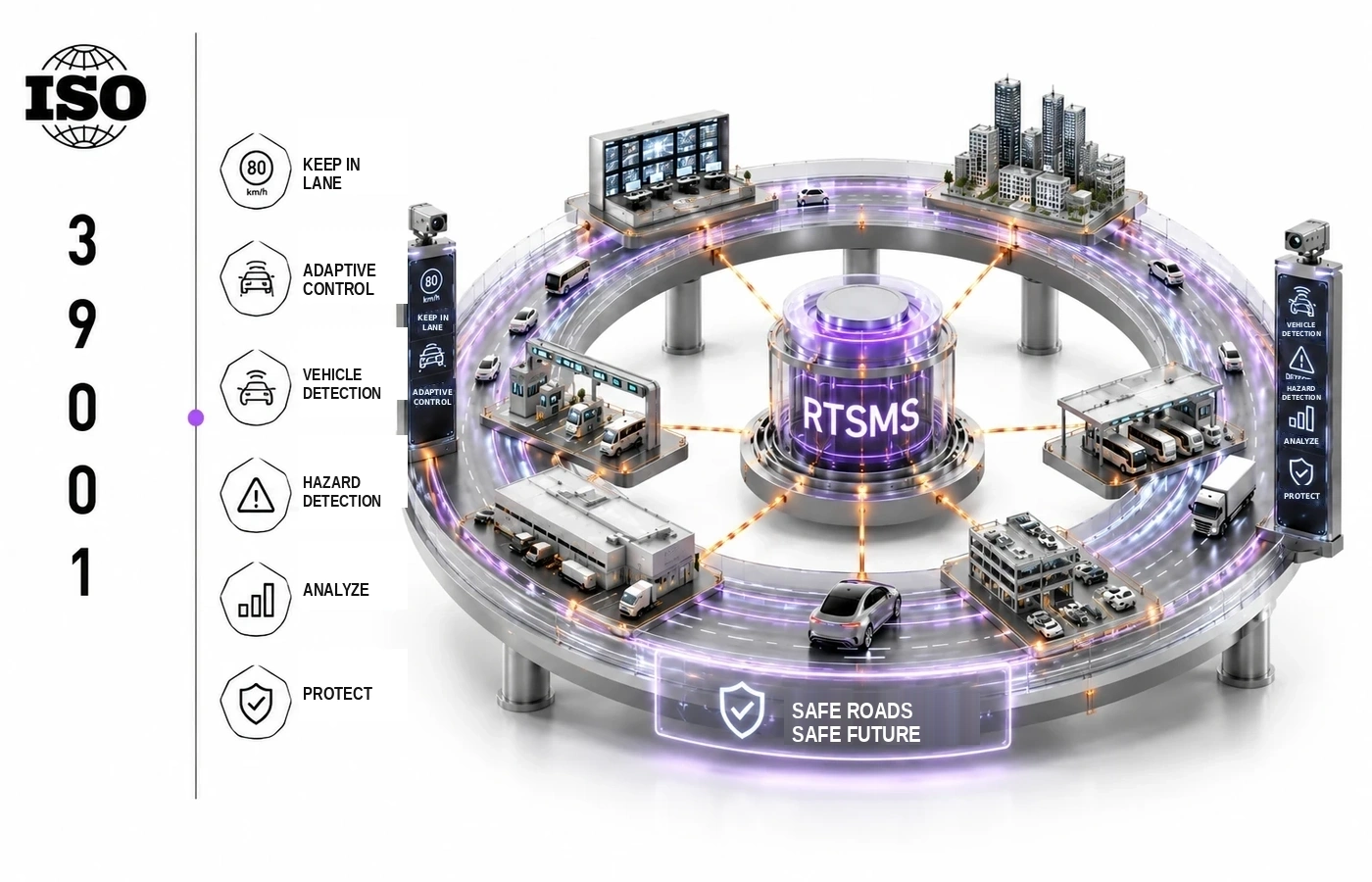
Internal audit of transport, fleets, road indicators, traffic risks and operational control.
Learn more →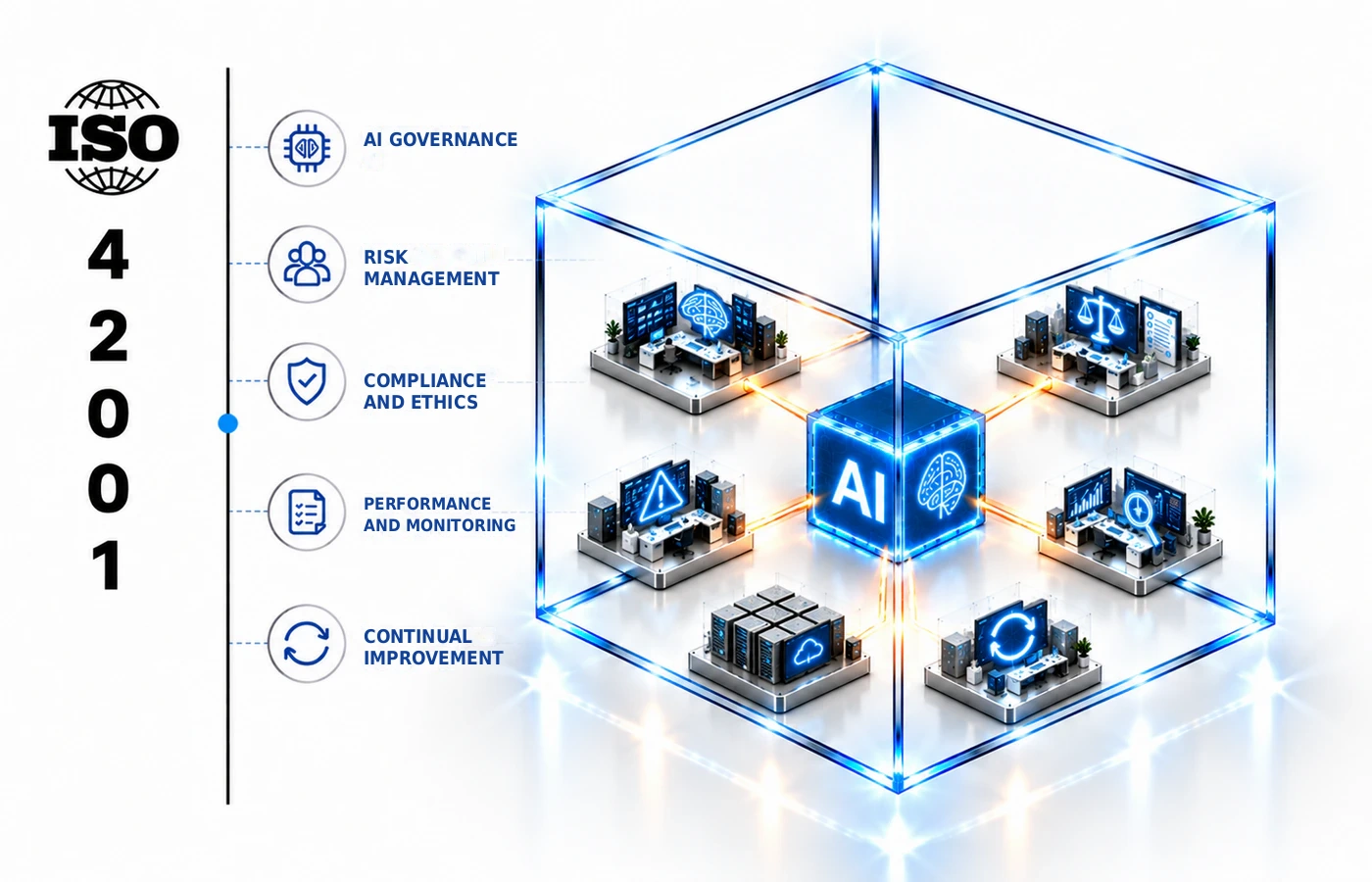
Internal audit of AI governance, AI system risks and the controls applied.
Learn more →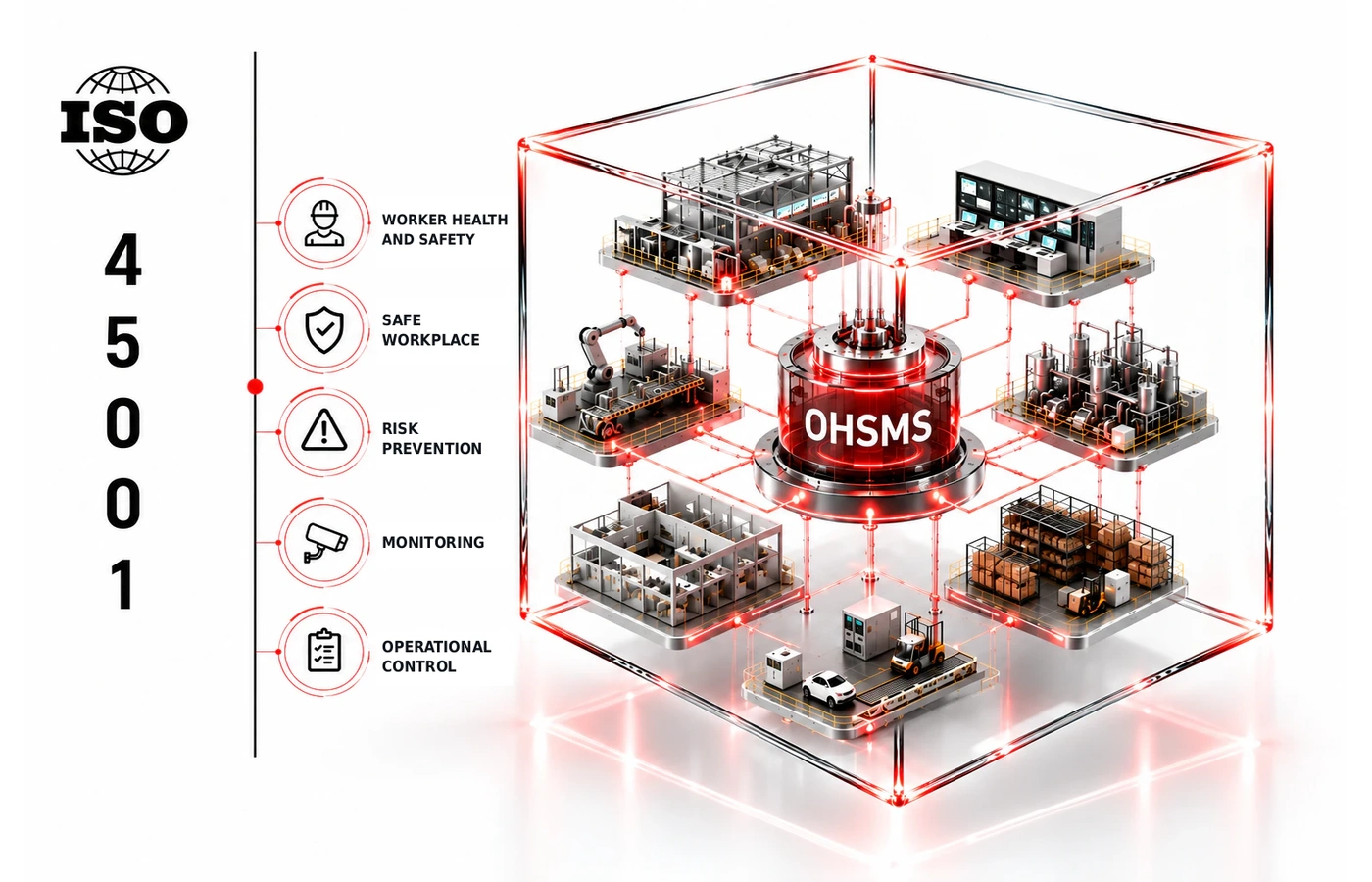
Internal audit of hazards, OH&S risks, worker consultation, incidents and operational control.
Learn more →
Internal audit of consumption, energy indicators, the energy baseline, performance and efficiency opportunities.
Learn more →The training is built for immediate application. Participants learn how to prepare an internal audit, how to collect evidence, how to talk to auditees and how to write a useful report.
At the end, participants should be able to contribute effectively to the organization's internal audit programme: prepare the audit, ask relevant questions, look for evidence and draw clear conclusions.
The methodology combines explanations of the standard with applied exercises, audit examples and tools that participants can later use in their organization.
We set the target standard, the participants' level, their existing experience and the processes relevant to the organization.
We cover impartiality, professional conduct, risk-based sampling, communication and the responsibilities of the internal auditor.
We work on objectives, scope, criteria, the audit team, the schedule, time allocated and preparing the checklist.
Participants learn how to ask questions, how to observe processes and how to request evidence without turning the audit into a punitive inspection.
We practise the difference between a conformity, an observation, an opportunity for improvement and a nonconformity.
We discuss the structure of the report, communicating conclusions and verifying the effectiveness of corrective actions.
Participants understand the role of the internal audit, the principles of auditing, auditor competence and how the audit must be planned and documented.
We discuss how the annual programme is set, how processes are prioritized and how risks, previous results and changes are taken into account.
Participants learn to turn audit criteria into practical questions and checks, without turning the checklist into a mechanical list.
We practise open questions, checks through sampling, handling unclear answers and professional communication with auditees.
We discuss what can constitute objective evidence, how the application of processes is checked and how to avoid conclusions based on assumptions.
Participants learn to write clear findings, supported by criterion and evidence, and to draft a report that is useful to management.
Good training must leave participants with tools they can apply. That is why the training can include templates and examples of documents used in real internal audits.
These tools must not be used mechanically. They must be adapted to the standard being audited, the organization's processes, existing risks and the purpose of the audit.
An internal audit looks different in manufacturing, IT, logistics, healthcare, food, construction or energy. That is why the examples and exercises can be adapted to the specifics of the industry.

Internal audits of seasonal processes, machinery, traceability, suppliers, environment, OH&S and operational compliance.
Learn more →
Internal audits of traceability, suppliers, process conformity, product control, complaints and corrective actions.
Learn more →
Internal audits of high-risk processes, traceability, technical documentation, competences and supplier control.
Learn more →
Internal audits of information security, operational risks, suppliers, compliance and auditable evidence.
Learn more →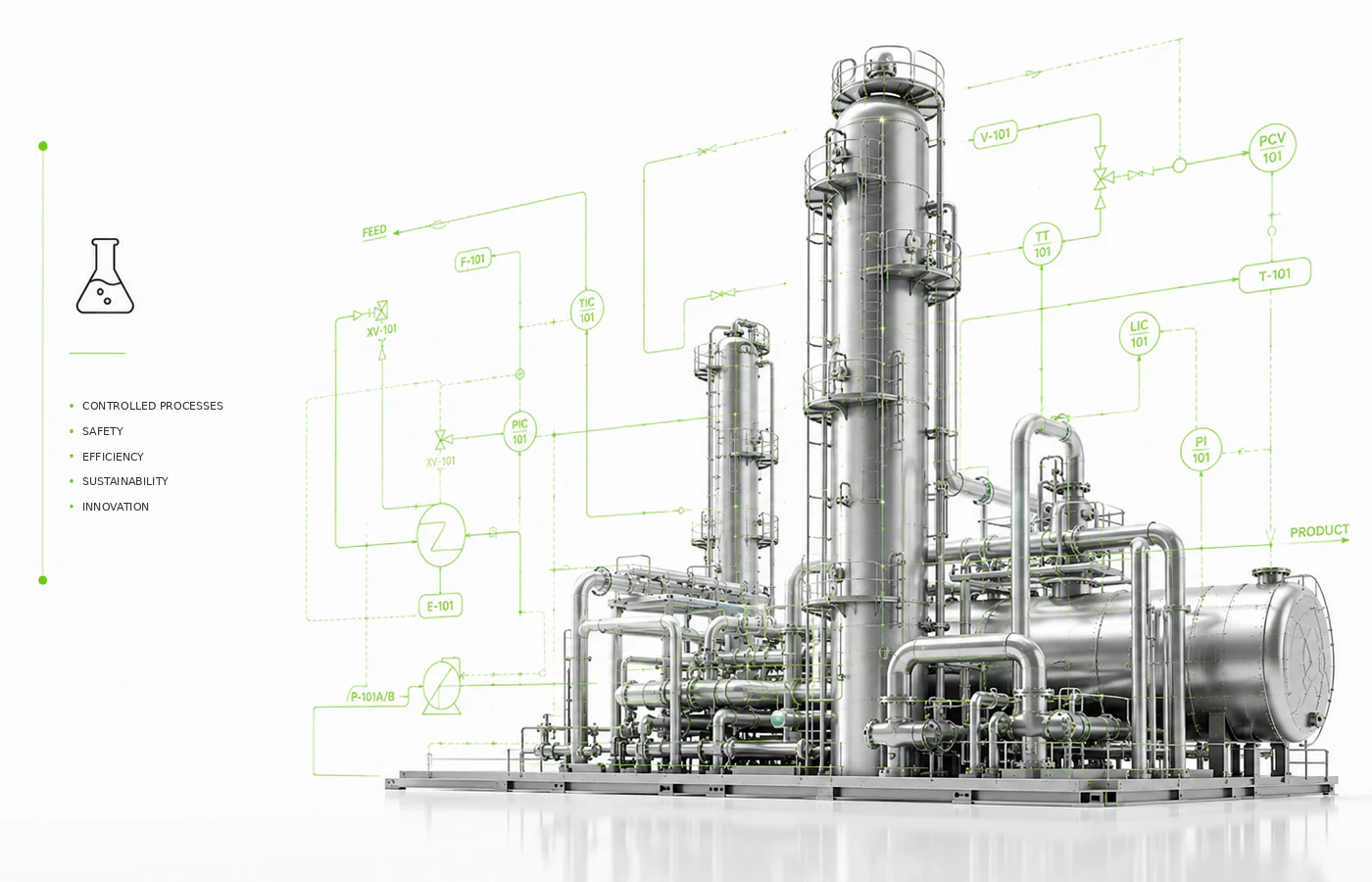
Internal audits of environment, OH&S, operational control, substances, critical procedures and risk management.
Learn more →
Internal audits of construction sites, subcontractors, technical documentation, OH&S, environment and quality of works.
Learn more →
Internal audits of HACCP, PRPs, hygiene, traceability, suppliers, hazard control and complaints.
Learn more →
Internal audits of IT services, security, access, incidents, continuity, software development and critical suppliers.
Learn more →
Internal audits of competence, methods, equipment, traceability, records and control of results.
Learn more →
Internal audits of transport, warehousing, fleets, deliveries, suppliers, road safety and operational indicators.
Learn more →
Internal audits of maritime operations, safety, environment, documentation, suppliers and high-risk processes.
Learn more →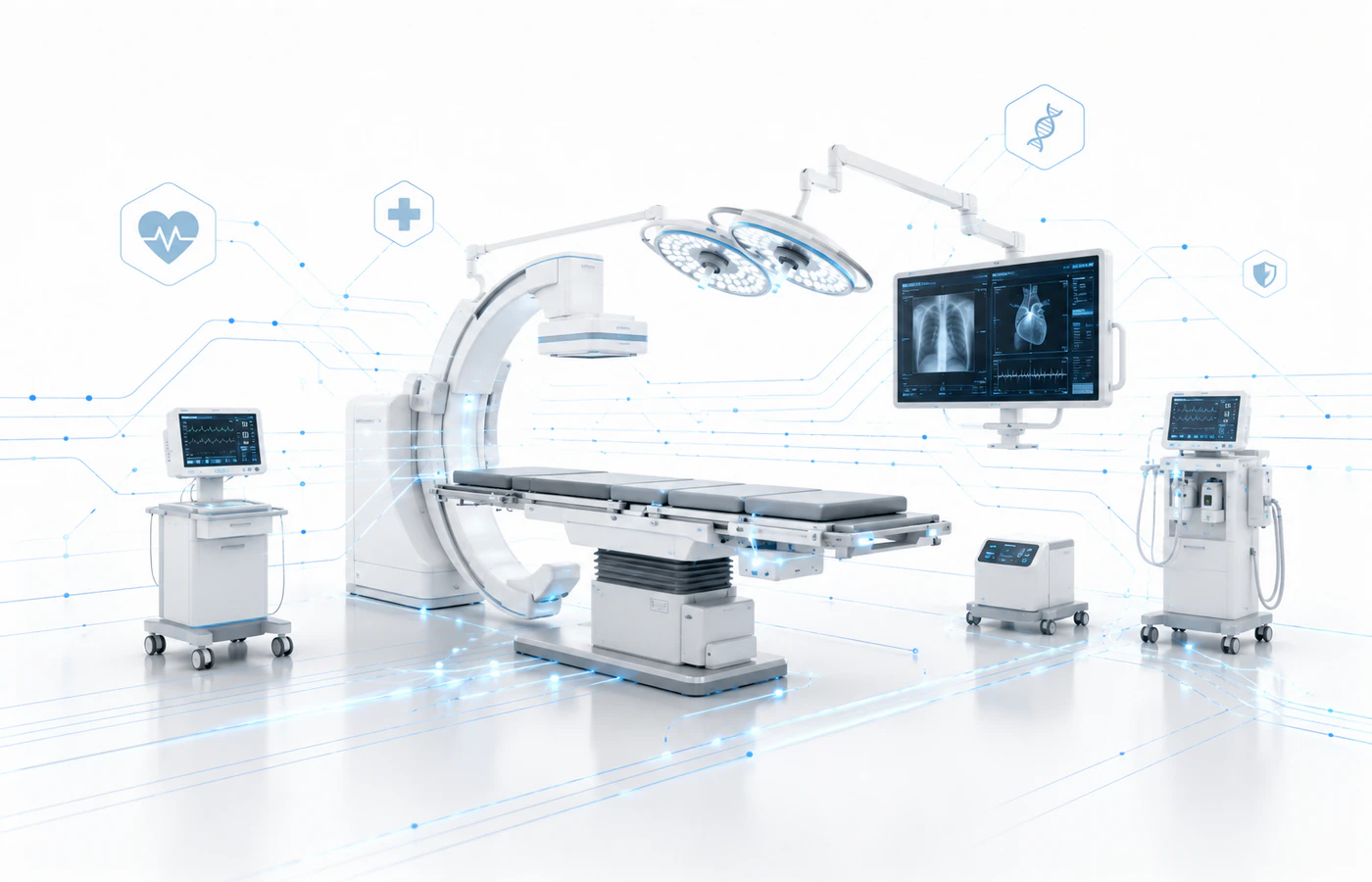
Internal audits of safety, traceability, documented control, complaints, risk and regulatory requirements.
Learn more →
Internal audits of critical processes, OH&S, environment, energy, operational integrity, suppliers and compliance.
Learn more →
Internal audits of services, customer experience, hygiene, safety, suppliers and operational control.
Learn more →
Internal audits of energy performance, environment, OH&S, maintenance, risks and compliance obligations.
Learn more →Many internal audits add no value because they are treated as a formality. The training aims to correct these problems before they affect certification or the maintenance of the system.
The auditor must follow the process and the evidence, not just tick off standard questions.
A finding must be linked to a verifiable requirement, procedure, internal criterion or objective.
Audit conclusions must be supported by documents, interviews, observations, indicators or other verifiable evidence.
Not every improvement idea is a nonconformity. Correct classification is essential.
Auditors must be selected so as to avoid conflicts of interest and a lack of impartiality.
The audit does not end with the report. Actions must be followed up and their effectiveness verified.
After the training, the organization can build or improve its internal audit programme, assign auditors to processes and prepare internal audits that are more useful to management.
QMS Consulting can also support the organization after the training through internal audits, supervising the first audits, reviewing reports or support in handling nonconformities.
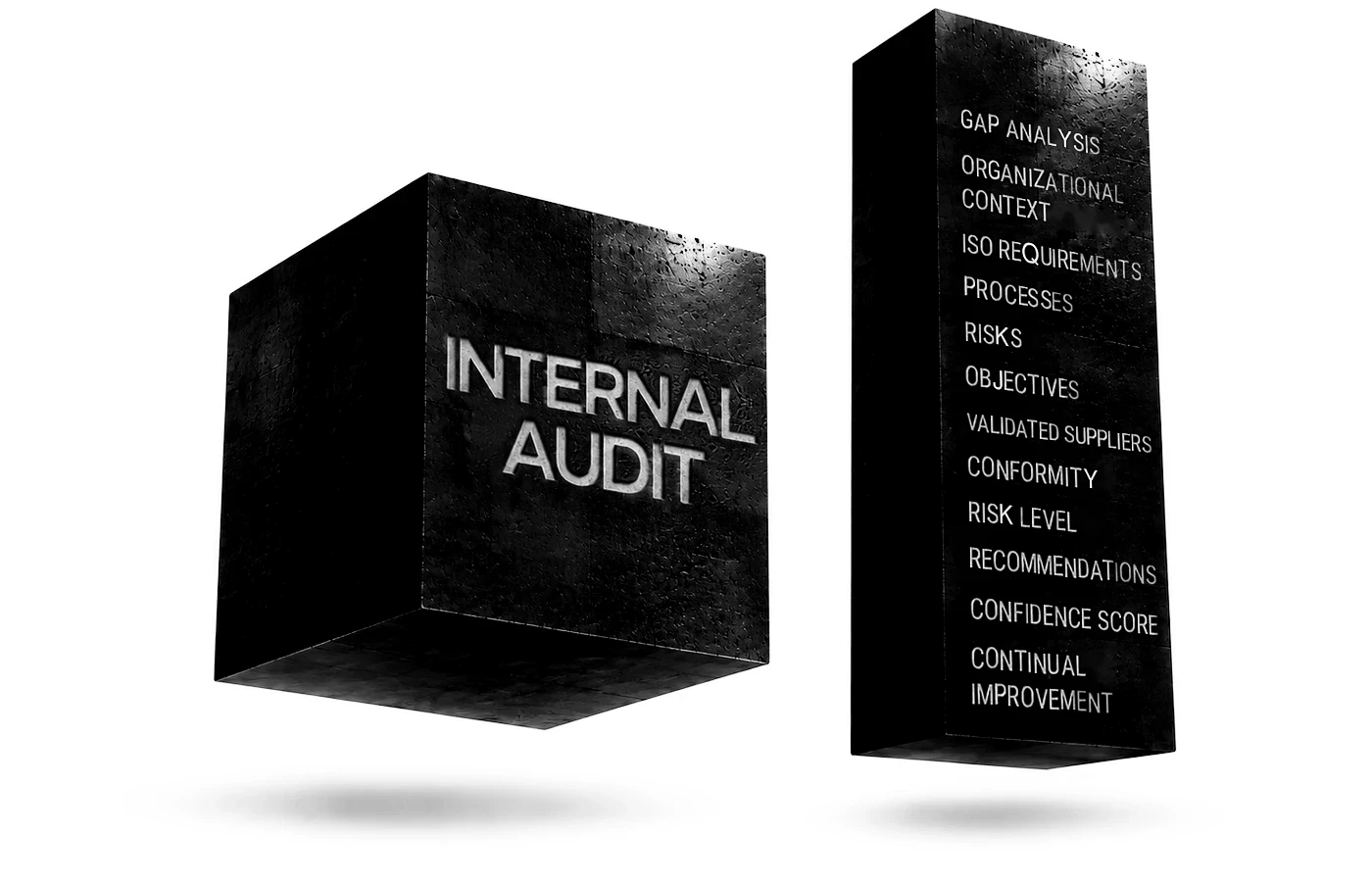
Independent internal audit to verify conformity, system effectiveness and corrective actions.
Learn more →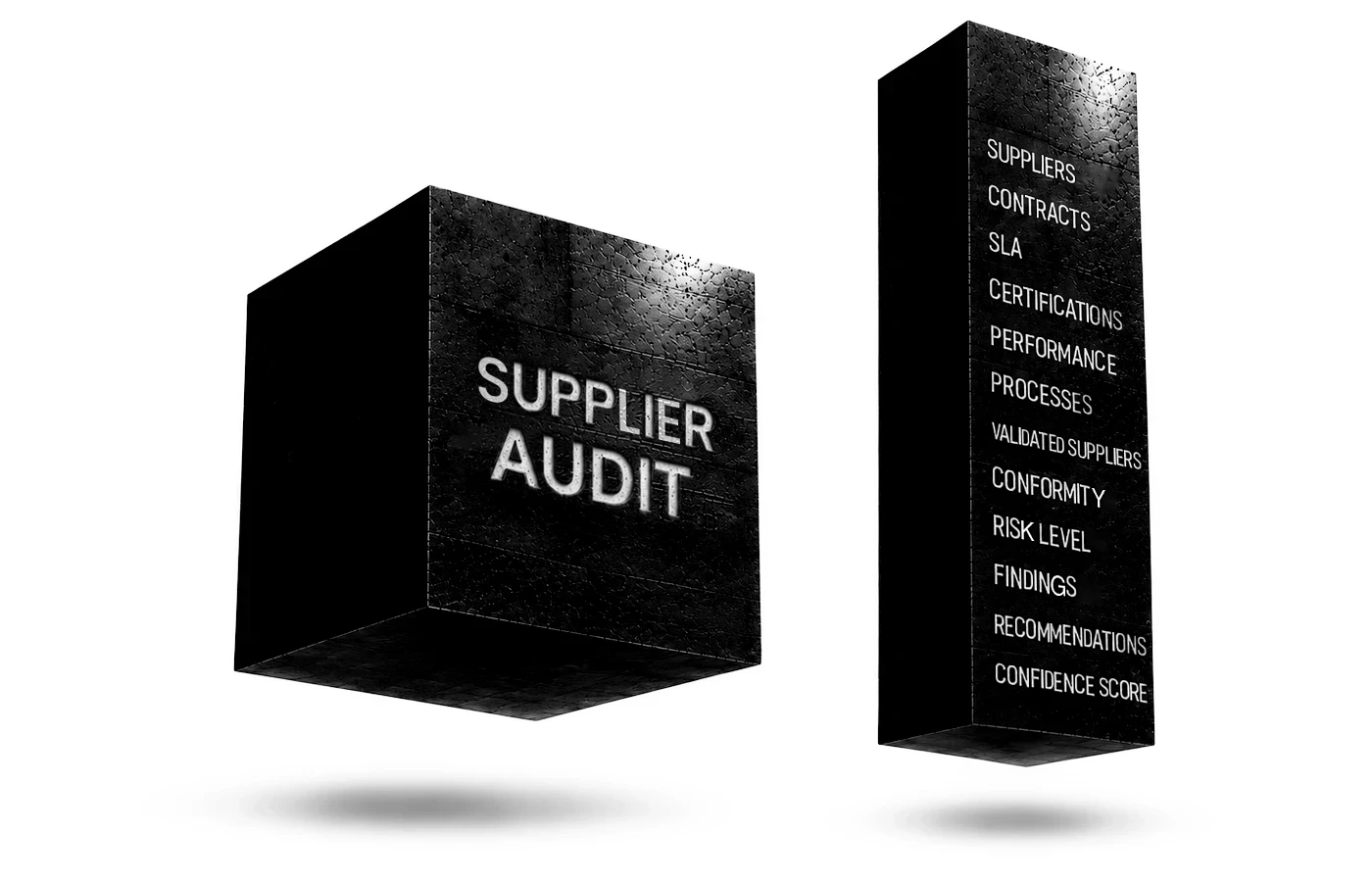
Evaluating critical suppliers, subcontractors and partners to control supply chain risks.
Learn more →
ISO system implementation: GAP analysis, processes, documentation, training, internal audit and certification preparation.
Learn more →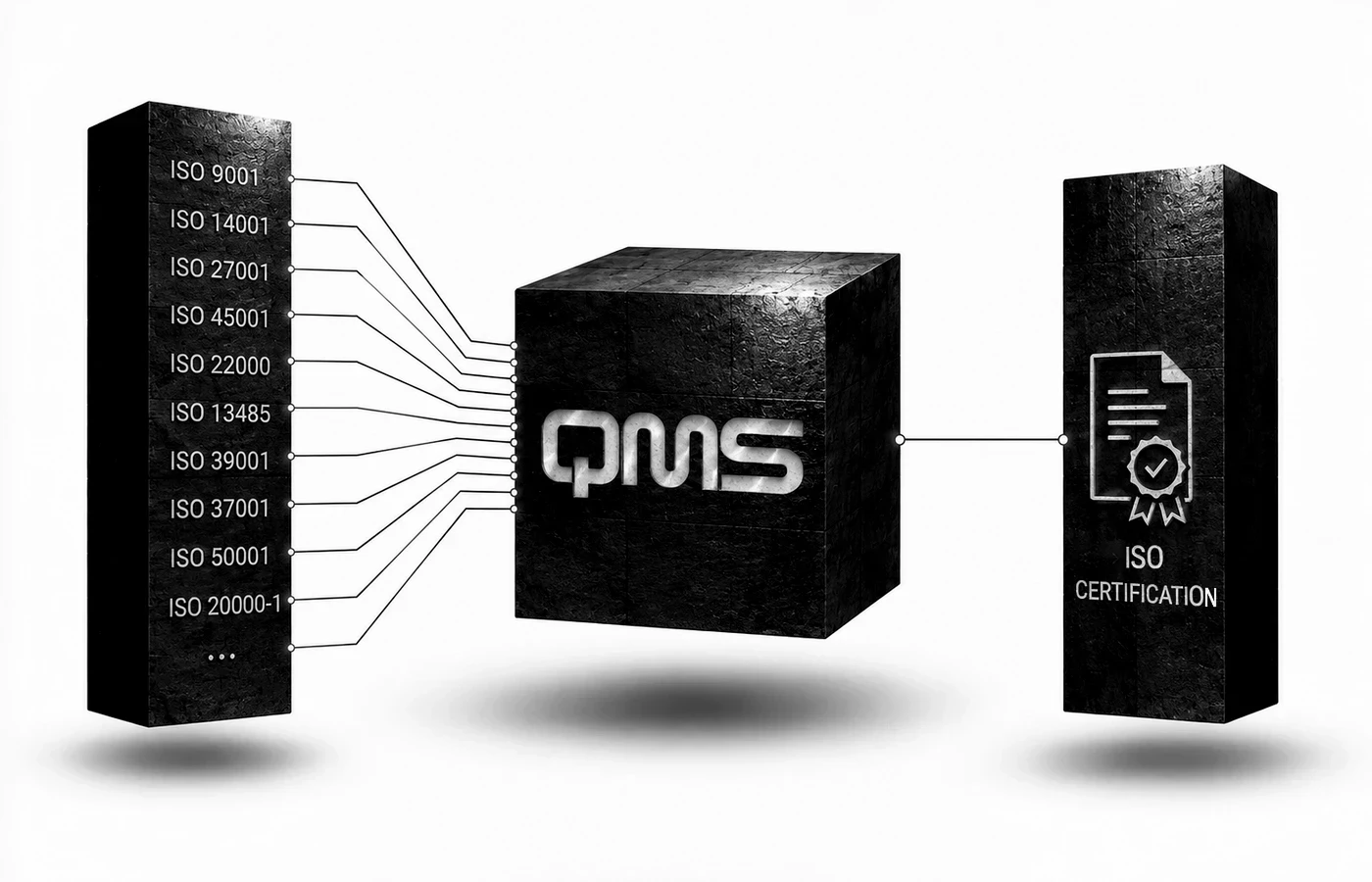
Checking the system before the certification body's audit, stage 1, stage 2, surveillance or recertification.
Learn more →
Documents, internal audit, nonconformities, corrective actions and management review, with alerts and reports generated automatically.
Learn more →
Advanced training for coordinating audits, audit teams and executive reporting.
Learn more →ISO Internal Auditor training is the training of the people who will plan, conduct and report internal audits of ISO management systems. Participants learn the principles of auditing, planning, interviewing techniques, collecting evidence, writing findings and following up corrective actions.
The course is for system managers, process managers, quality, environment, OH&S, IT and food safety specialists, members of ISO teams and employees designated to take part in the internal audit programme.
Previous experience is not mandatory, but it helps if participants know the organization's processes and the standard to be audited. The training can be adapted for beginner or intermediate level.
Participants learn to set audit objectives and criteria, prepare an audit plan, build checklists, conduct interviews, check objective evidence, write findings, draft the report and follow up corrective actions.
Yes. The training can focus on ISO 9001:2026, ISO 14001:2026, ISO 27001:2022, ISO 45001:2018, ISO 22000:2018, ISO 13485:2016, ISO 20000-1:2018, ISO 37001:2025, ISO 39001:2012 or ISO 50001:2018, depending on the organization's management system.
Yes. For organizations with integrated systems, the training can cover the common requirements, auditing integrated processes, sampling evidence and writing findings that may affect several standards at once.
Yes. Effective training must include practical exercises: an audit plan, a checklist, an interview simulation, evidence analysis, writing findings, classifying nonconformities and drafting conclusions.
ISO 19011 is the guideline used for auditing management systems. The training uses the principles and approach of this guideline to explain planning, conducting audits, auditor competence, reporting and audit follow-up.
Evidence of attendance or training can be issued, depending on the agreed format. What matters is that the organization keeps evidence of its internal auditors' competence and the training carried out.
The internal auditor audits the system of the organization they belong to or are assigned to. The Lead Auditor role involves an advanced level of coordination, leading the audit team, complex audits and communication at management level.
The duration depends on the standard, the participants' level, the number of practical exercises and the organization's goal. Practical training can be adapted for a concentrated session or for an extended programme with applications on real processes.
The training can use templates for the audit programme, audit plan, checklist, audit notes, audit report, list of nonconformities, corrective action plan and follow-up monitoring.
Yes. In-house training allows the examples to be adapted to the organization's processes and can use real documents, risks and situations, without exposing confidential information outside the organization.
Yes. The training can be organized online for the theoretical part, case studies, exercises and discussions. For organizations with complex operational processes, on-site practical sessions can also be useful.
The internal auditor influences the quality of the entire ISO system. An unprepared auditor may carry out formal audits, vague findings or reports with no value, while a competent auditor identifies real risks and opportunities for improvement.
Objective evidence is verifiable information: a document, record, interview, direct observation, indicator, report, form or other evidence that supports an audit finding.
A nonconformity must be worded clearly, with reference to the requirement not met, the evidence identified and the situation observed. It must not be a general opinion, but a verifiable finding.
After the training, the organization can include participants in the internal audit programme, assign roles, prepare the annual plan and carry out the first audits with support or supervision, if necessary.
Yes. Well-trained internal auditors help identify problems before the certification body's audit and prepare the evidence needed for stage 1, stage 2 or surveillance.
Anyone who understands the organization's processes, the requirements of the standard being audited, the principles of auditing and the rules of impartiality can become an internal auditor. It is not recommended for a person to audit their own direct work.
Common mistakes are checklists that are too general, superficial questions, lack of evidence, findings worded as opinions, confusing a recommendation with a nonconformity and not following up corrective actions.
Yes. The audit report must give management useful information: scope, criteria, evidence, findings, risks, nonconformities and conclusions on the effectiveness of the system.
Yes. For experienced auditors, the training can focus on risk-based auditing, process auditing, writing complex findings, integrated audits and executive reporting.
Risk-based auditing prioritizes the processes, areas and evidence with a greater impact on objectives, conformity, safety, customers or business continuity.
Yes. Process managers gain a better understanding of what auditors expect, what evidence must be kept, how nonconformities are handled and how processes can be improved.
Yes. QMS Consulting can provide ISO internal audits, support for the audit programme, verification of corrective actions and certification preparation, depending on the organization's needs.
Yes. The ISO Internal Auditor Training is a training programme accredited by Exemplar Global and delivered by QMS Consulting International through QMS Consulting Romania.
Accredited Training Provider indicates that the training programme is delivered within an internationally recognized accreditation system, with requirements for the course structure, the target competences and participant assessment.
Yes. QMS Consulting is the exclusive representative of Exemplar Global in Romania for training programmes in management system auditing.
A quote request is useful when the organization has a concrete goal: initial certification, surveillance, recertification, a customer request, a tender, a supplier audit or an internal need to control processes.
For a realistic estimate, we need the target standard, number of employees, sites, main processes, the organization's activity, existing documentation and the desired deadline.
A work plan, clear deliverables, practical recommendations, documents proportionate to the organization and support focused on audit competences, planning, sampling, findings and internal reporting.
We work with organizations in Romania and the Republic of Moldova. A significant part of projects can be run online, with on-site sessions when the process requires it.
Send us a few details about the target standard, the number of participants and the goal of the training. We can propose a format adapted to your organization.
Phone: +40 722 773 446
Email: contact@qms.ro
Address: 12 Petru Rareș Street, Bucharest
Request a training quoteChoose whether to allow visitor statistics. You can change your choice at any time from the site footer.