Standard
ISO 9001:2026
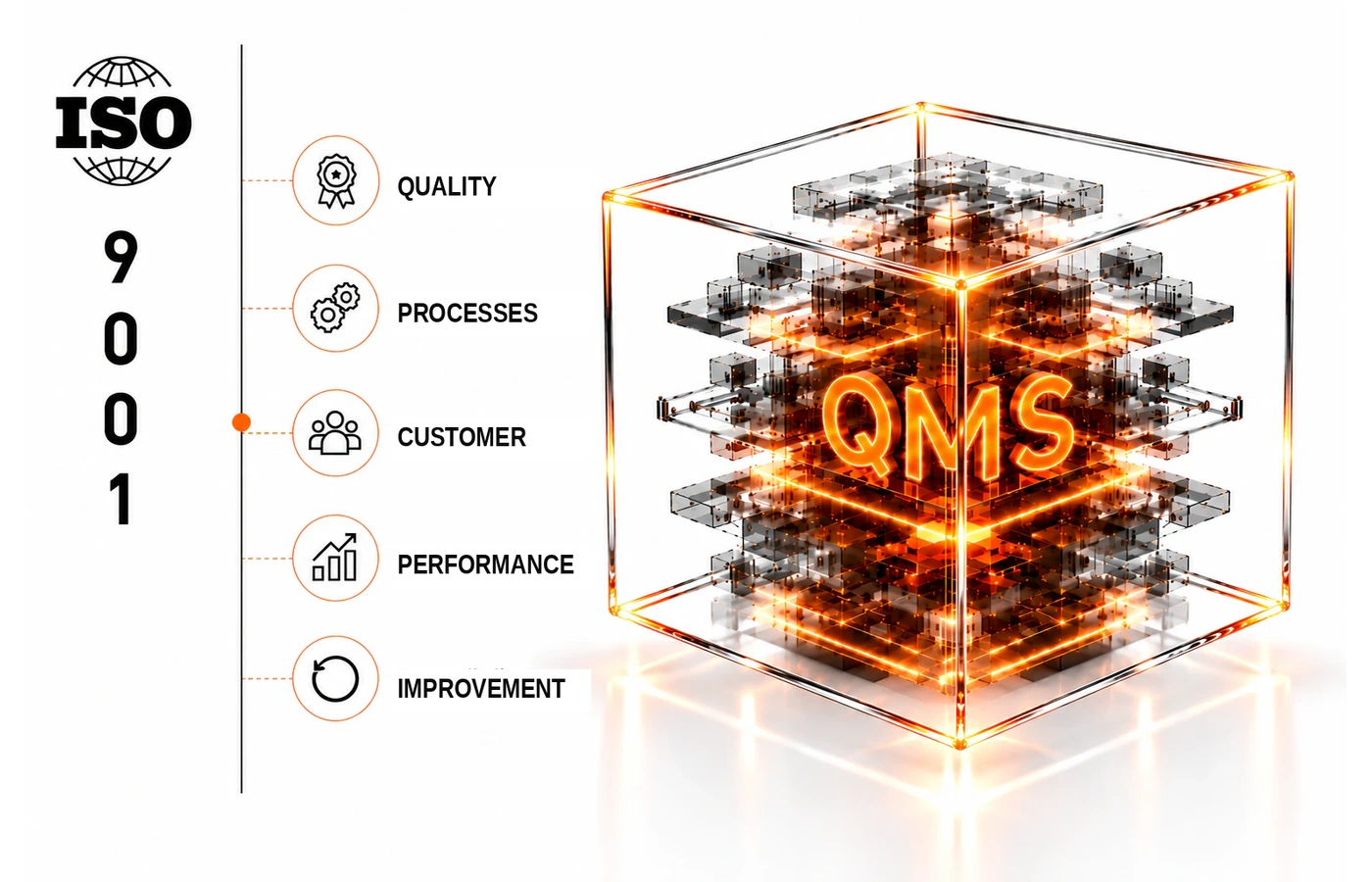
Structures processes, responsibilities, customer requirements, indicators, suppliers, nonconformities and quality improvement.
Learn more →
Management systems for operations, maintenance, environment, OH&S, energy, suppliers, internal audit and certification preparation.
Maritime organizations coordinate assets, operations, maintenance, suppliers and contractors in an environment with significant risks to people, the environment and continuity. The management system must turn requirements into workable controls and information useful for decision-making.
QMS Consulting designs or optimizes ISO systems based on real activities: operational planning, maintenance, procurement, outsourced services, interventions, monitoring and incident handling. Documentation is sized according to assets, sites, obligations and level of risk.
An effective system clarifies operating limits, responsibilities, competences, maintenance criteria and contractor control, so that risks and deviations are managed consistently and demonstrably.
The choice depends on activities, assets, sites, suppliers, obligations and risks. ISO standards complement the applicable maritime, legal, technical and contractual requirements; they do not replace them.
Structures processes, responsibilities, customer requirements, indicators, suppliers, nonconformities and quality improvement.
Learn more →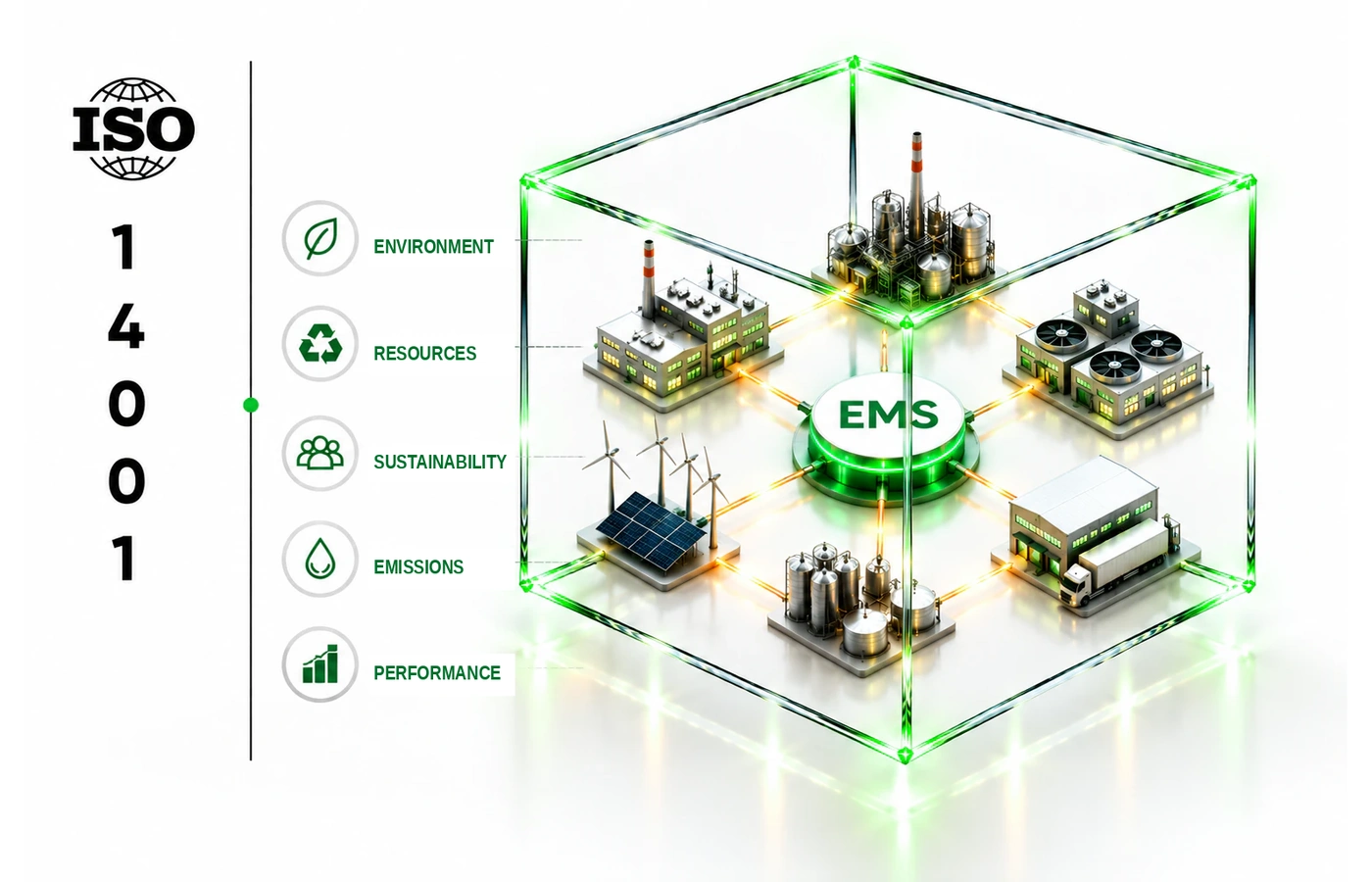
Supports the control of environmental aspects, compliance obligations, emissions, waste, consumption and emergency situations.
Learn more →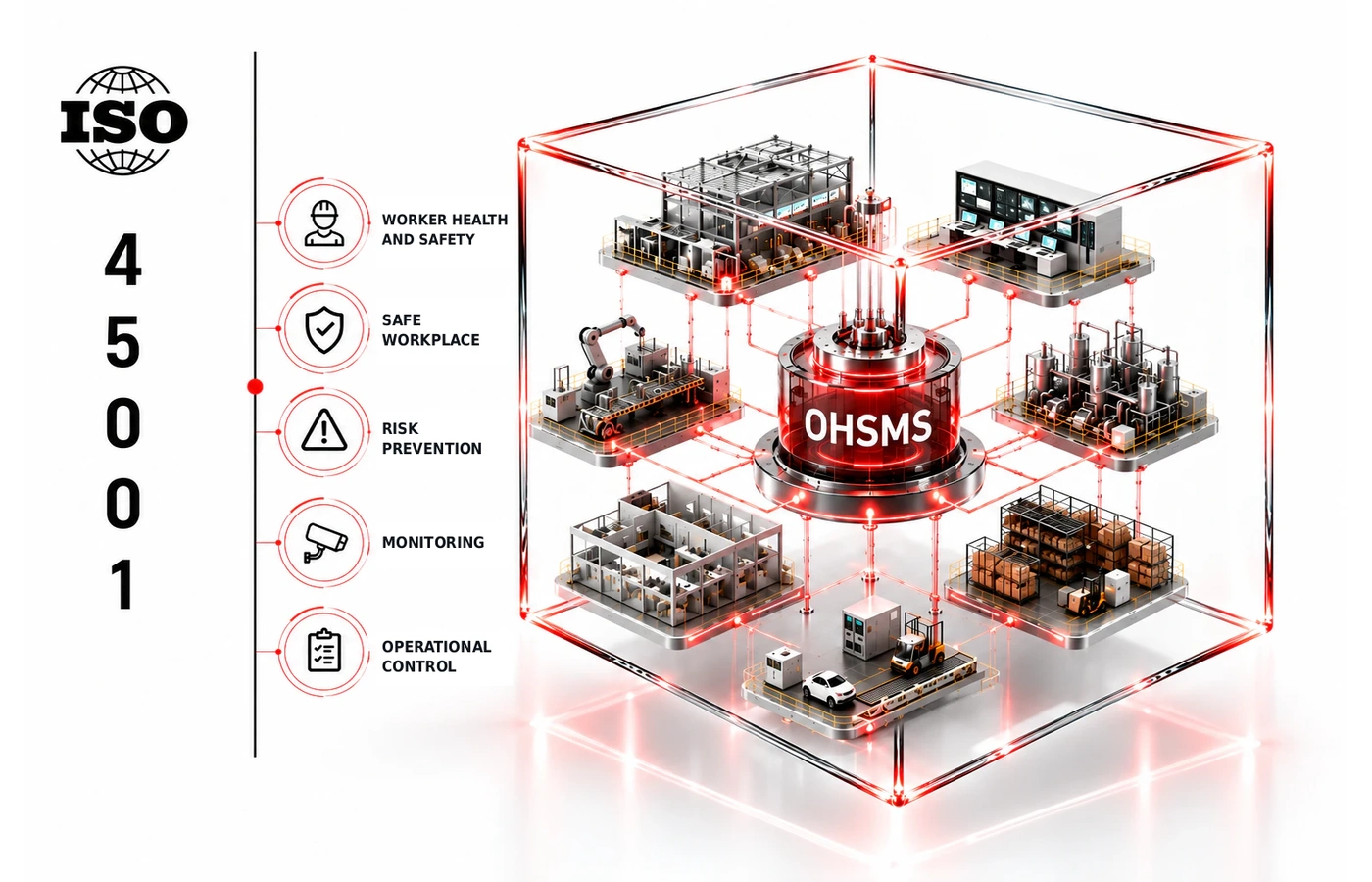
Helps manage hazards for employees and contractors in operations, maintenance, interventions and technical activities.
Learn more →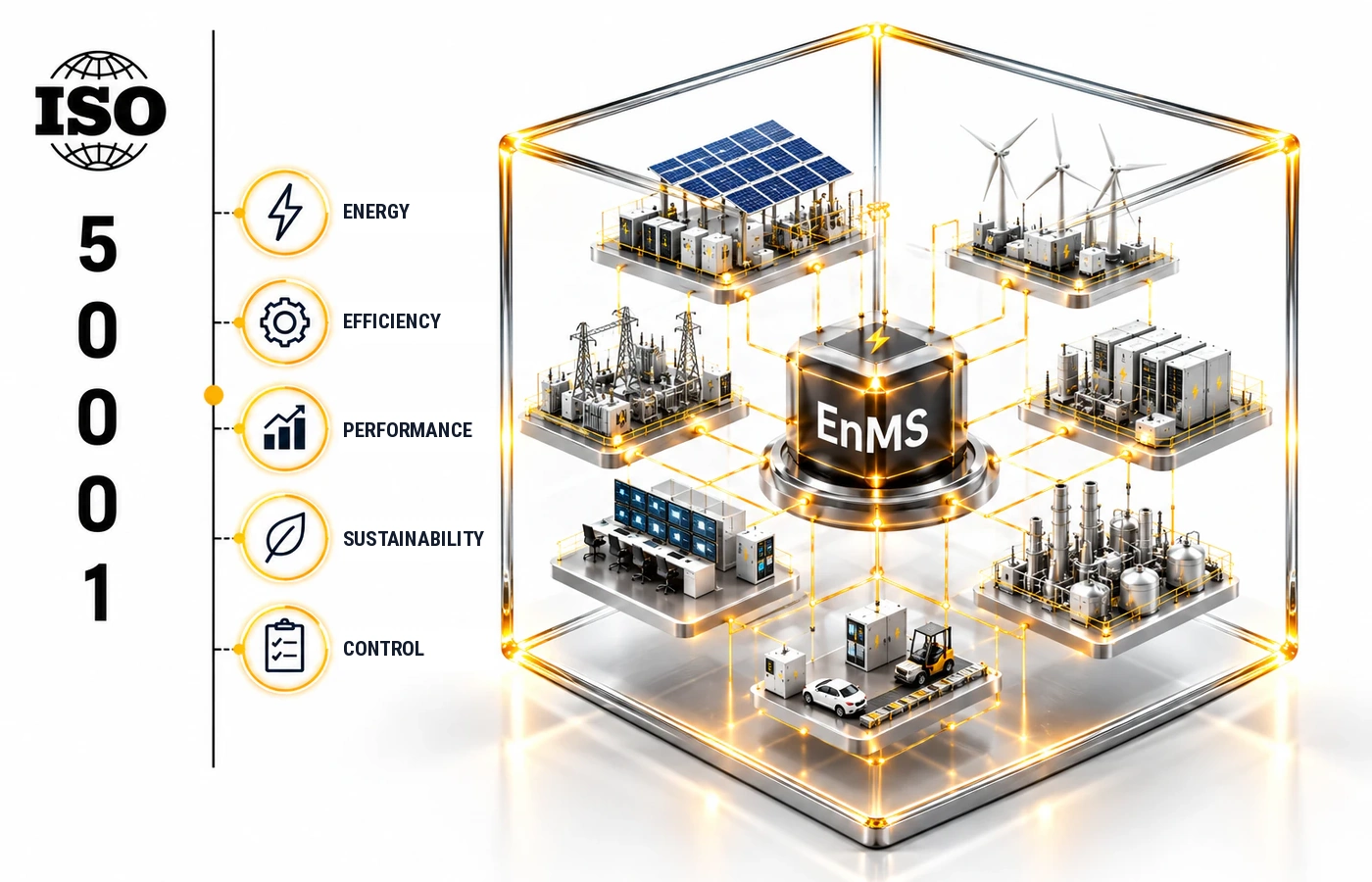
Can structure the analysis of consumption, significant energy uses, indicators and measures for energy performance.
Learn more →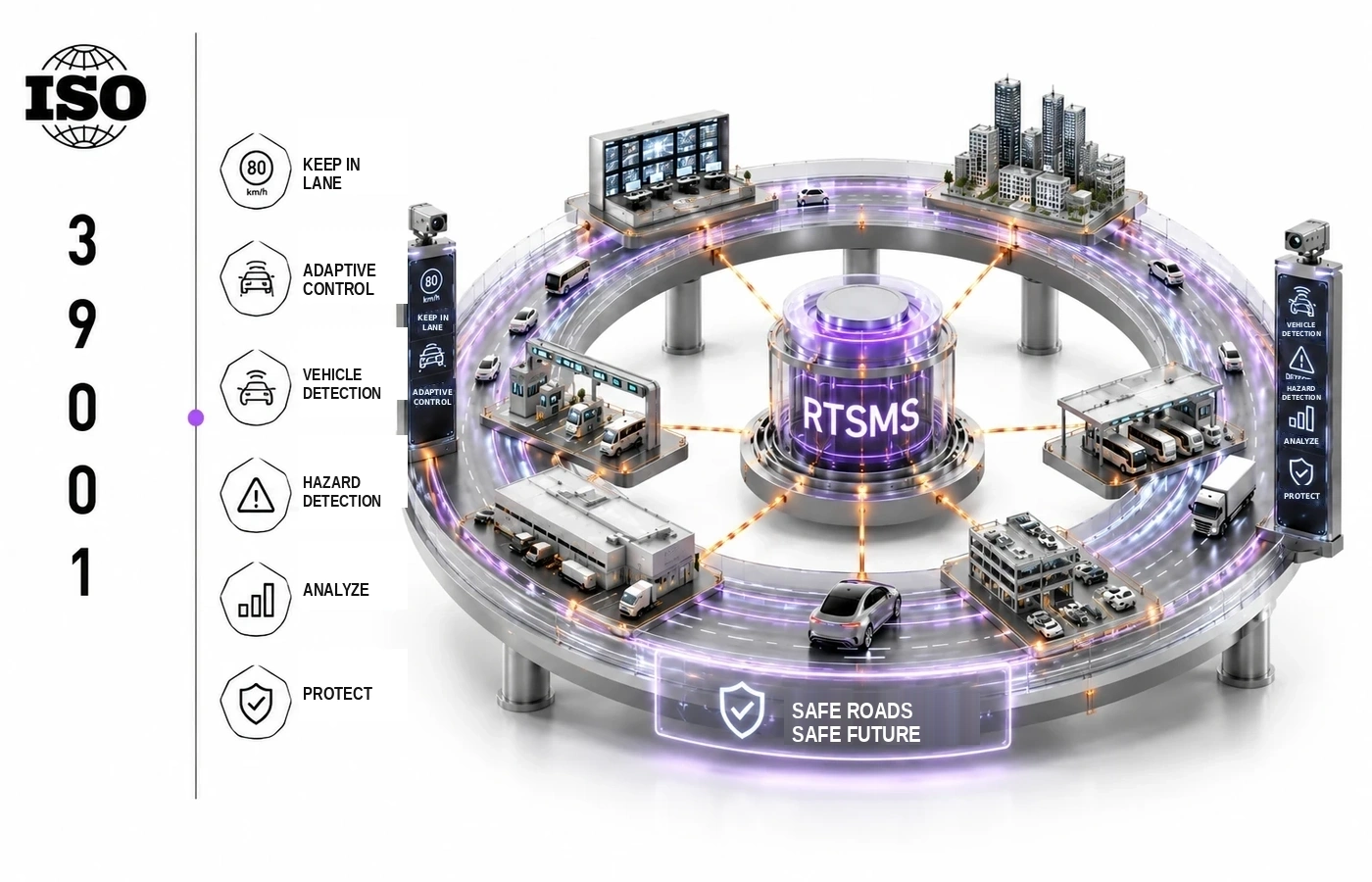
Relevant for road risks associated with fleets, travel, transport and related logistics activities.
Learn more →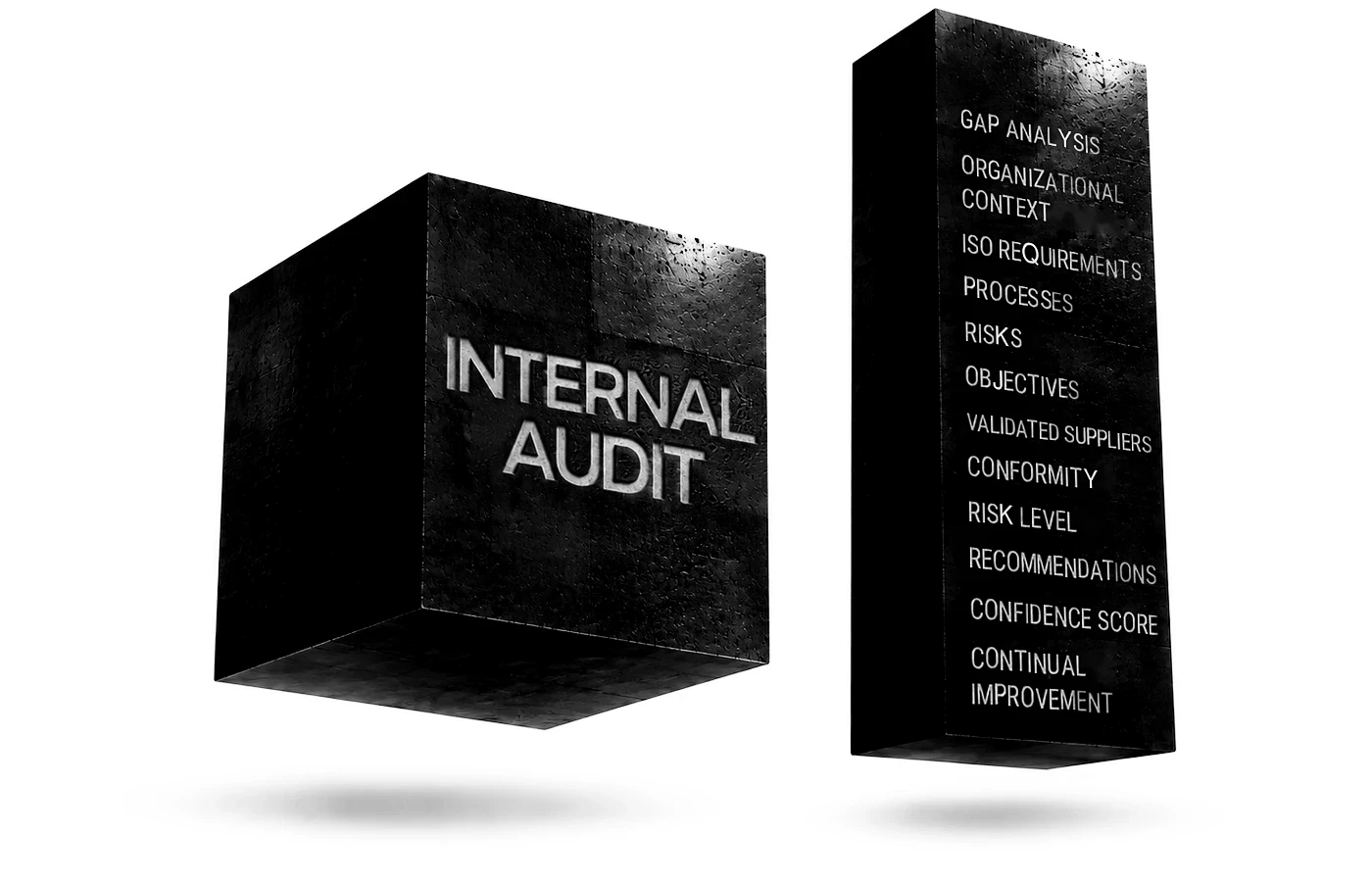
Assessing the conformity and effectiveness of processes, with risk-based sampling and evidence-backed findings.
Learn more →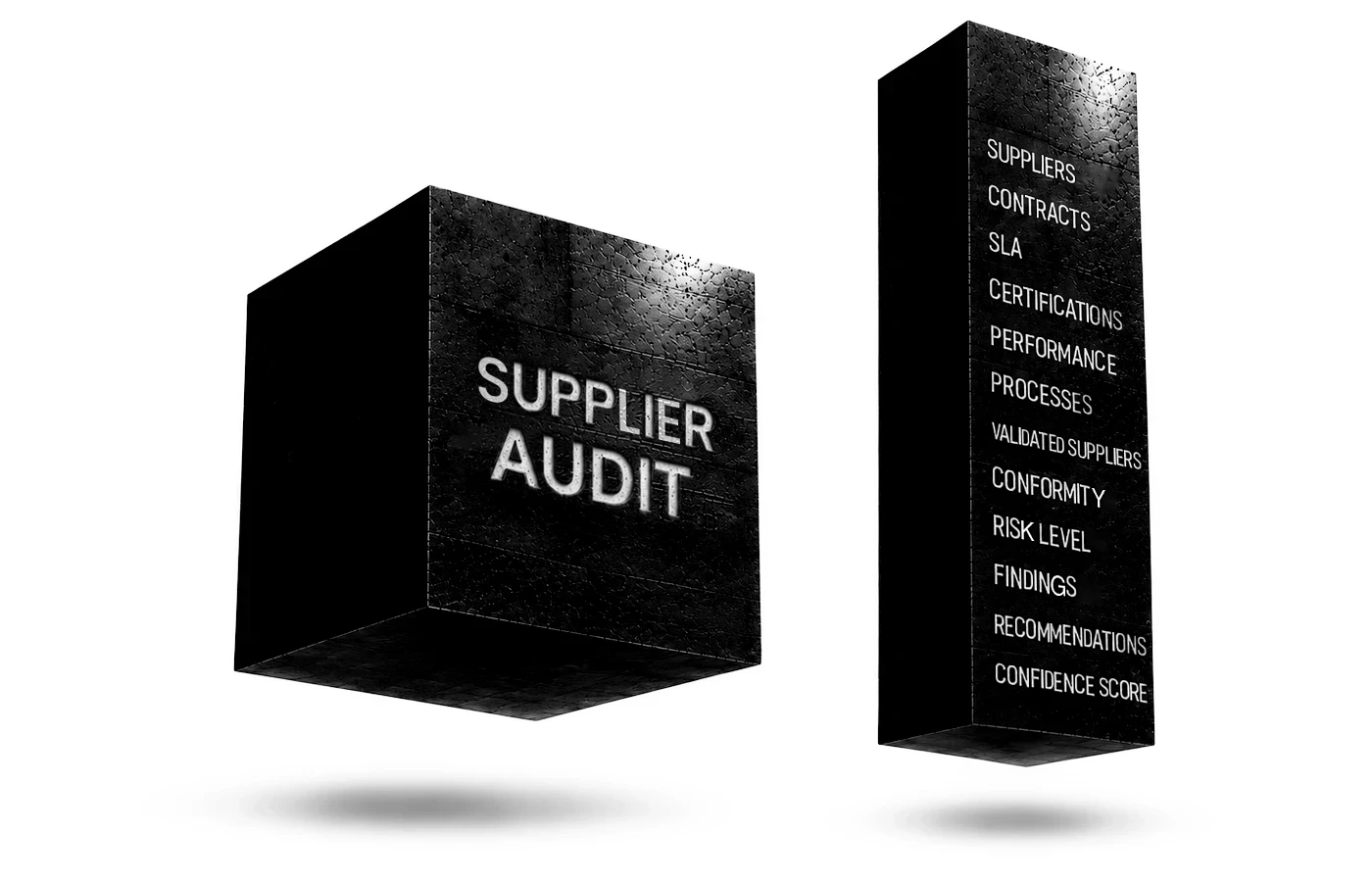
Evaluating suppliers, contractors and outsourced services by criticality, capability and performance.
Learn more →
GAP analysis, defining the scope, process design, proportionate documentation and implementation support.
Learn more →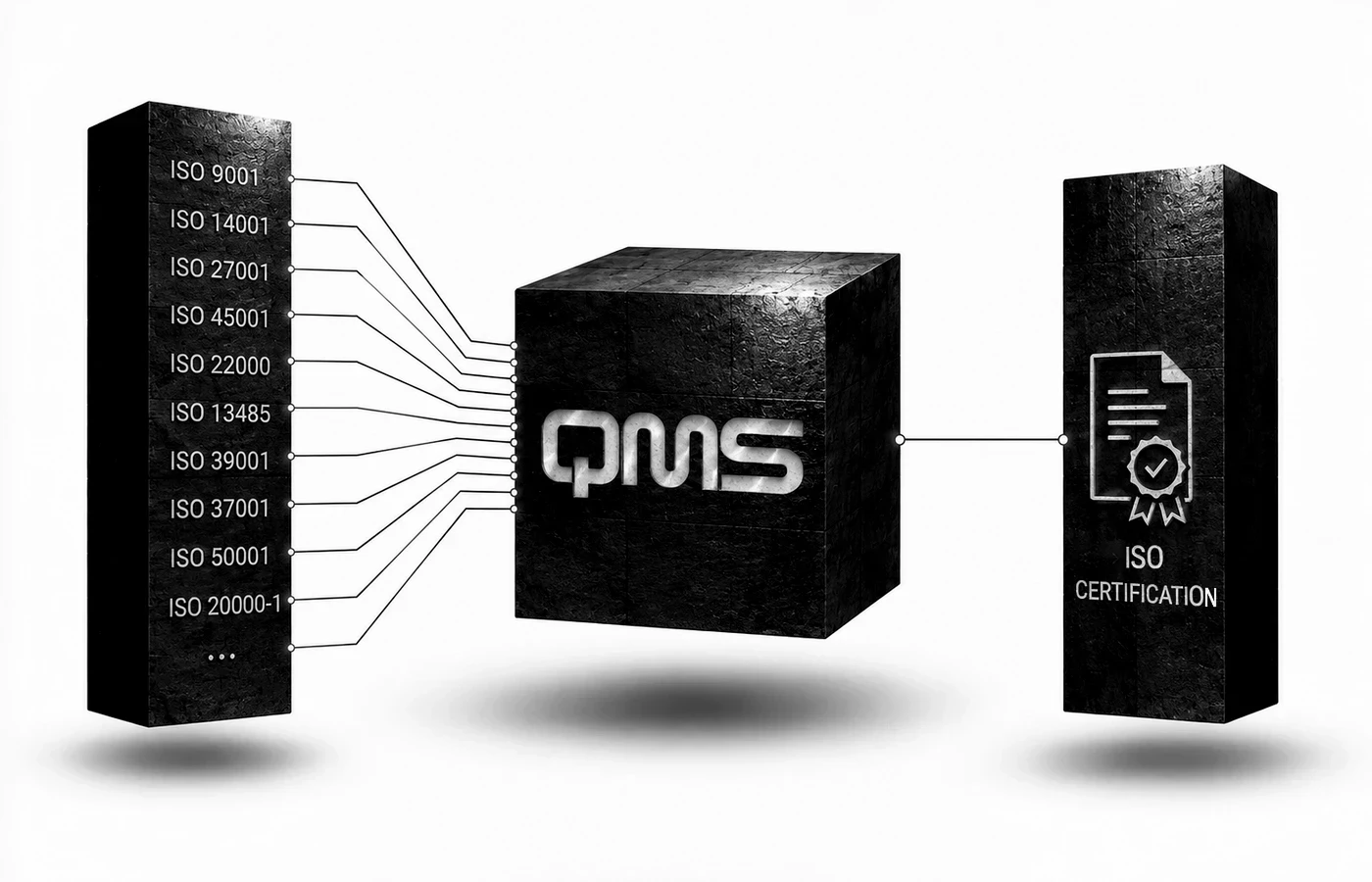
Reviewing the system, checking evidence, addressing findings and preparing the team for the independent audit.
Learn more →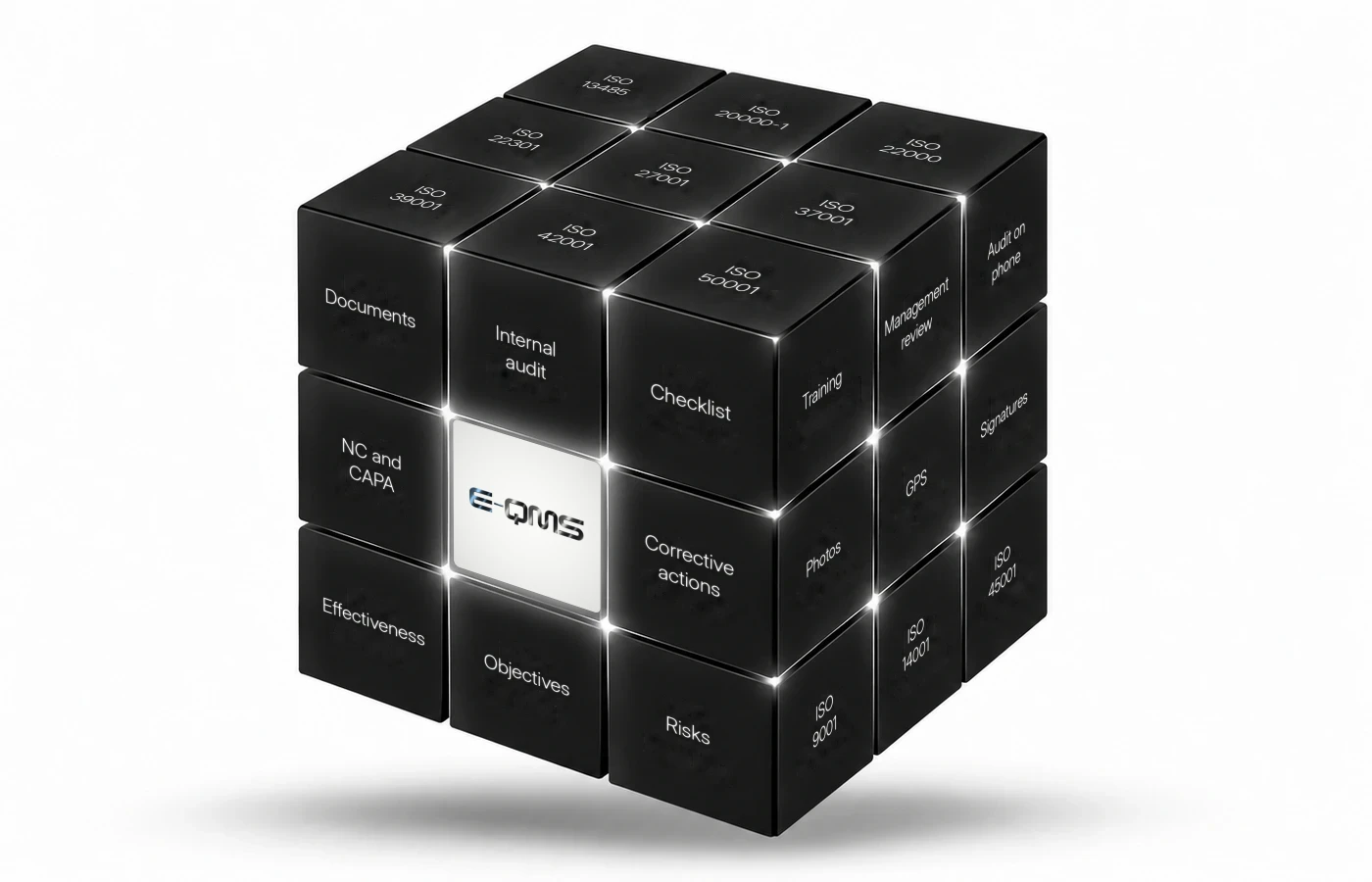
Documents, internal audit, nonconformities, corrective actions and management review, with alerts and reports generated automatically.
Learn more →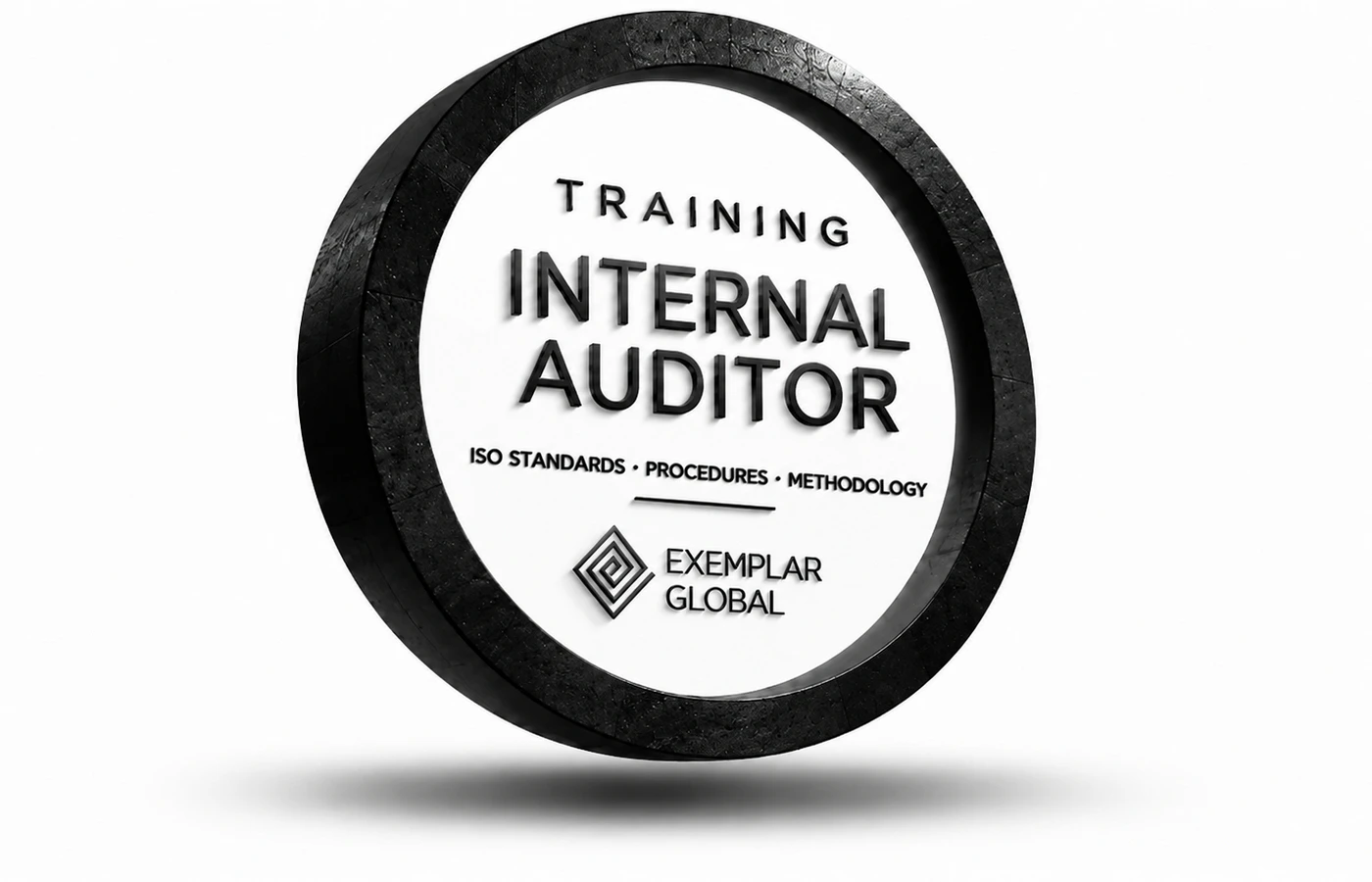
Practical training in planning, conducting, reporting and following up internal audits.
Learn more →
Advanced preparation for coordinating programmes, teams and complex or integrated audits.
Learn more →Controls must be assessed in relation to assets, operating conditions, maintenance, contractors and emergency scenarios.
We link requirements to the activities, assets, responsibilities, indicators, contractors and records available. Recommendations are prioritized by impact and integrated into operations, maintenance and control.
The value of the system appears when critical processes are consistently controlled and incidents and deviations are addressed based on evidence.
Criteria, responsibilities and control points are clarified for high-impact activities.
Planning, execution, verification and recording of work support asset reliability.
Selection, authorization and monitoring are adapted to the criticality and performance of services.
Aspects, obligations, incidents, consumption and waste are managed through objectives and controls.
Causes, measures and the effectiveness of actions are analyzed before closure.
Evidence, responsibilities and decisions are organized for internal and external assessments.
The scope of the assessment is set according to operations, assets, sites, suppliers, contractors, standards and level of risk.
Defining criteria, resources, responsibilities, limits and checks for critical activities.
Planning, executing, verifying, recording and analyzing maintenance activities.
Selecting, qualifying, monitoring and re-evaluating third parties according to risk and performance.
Recording, investigation, root cause analysis, defining actions and verifying effectiveness.
Identifying impacts, obligations, controls, monitoring and emergency response.
Planning audits according to risk, changes, previous results, process criticality and open findings.
Depending on activities and risks, ISO 9001:2026 for quality, ISO 14001:2026 for the environment, ISO 45001:2018 for OH&S, ISO 50001:2018 for energy and ISO 39001:2012 for road risks may be relevant.
No. QMS Consulting provides consulting, internal audit, training and preparation. Certification is carried out by an independent body.
Through selection, qualification, monitoring and re-evaluation criteria proportionate to risk, competence and performance.
Yes. Common processes can be coordinated in a single system, while keeping the controls specific to quality, environment, OH&S or energy.
It checks the application and effectiveness of the system, identifies gaps and gives management information for decisions and improvement.
The duration depends on the scope, assets, sites, contractors, standards, system maturity and available resources.
Documentation may include policies, procedures, registers, risk assessments, maintenance plans, audits and actions.
Yes. Common requirements can be managed together, while the controls specific to each standard remain distinct where necessary.
The configuration starts from operations, assets, sites, contractors, obligations and risks, not from a generic model.
Common requirements are integrated to avoid duplicate procedures and records, while specific controls are kept where the standard, the activity, the asset or the risk justifies them.
Send us your activities, assets, sites, contractors, target standards and the deadline you are aiming for. This information allows us to configure a realistic plan.
Phone: +40 722 773 446
Email: contact@qms.ro
Address: 12 Petru Rareș Street, Bucharest
Send the requestChoose whether to allow visitor statistics. You can change your choice at any time from the site footer.